WAR REQUIEM II
Krieg und Wahrheit / War and Truth, – eine Ergänzung
(German / English)
Besetzung/Cast:
Student:innen aus Leipzig, Berlin und Oslo zu unserem Text und den Themata von „WAR REQUIEM, Krieg und Wahrheit / War and Truth“ in unserer Grammatologischen Philosophischen Praxis GPP (Febr. 2026) in Wien. Eine präsentable Zusammenkunft mit Verstand und differenzierter Lektüreerfahrung.
Hier ihr/unser Paper – ein Versuch der prägnanten Einordnung, einer kurzgefaßten Erarbeitung, ein verdichteter Entwurf, der das Unsichtbare sichtbar werden läßt.
[[ P.s.: Unten Aufgeführtes entspricht nicht unbedingt in jedem Punkt unserer Auffassung und unserem Denken! GK & ALH ]]
Krieg und Wahrheit. Dekonstruktion und Unmöglichkeit der Eindeutigkeit.
Kaučić und Huber stellen die Frage nach der Möglichkeit von Wahrheit im Krieg radikal. Sie zeigen, daß jede Aussage, jede Interpretation im Kontext von Gewalt und Krieg das, was sie zu erfassen versucht, zugleich zerstört oder verfälscht.
Dies ist ein direkter Bezug auf Derridas Dekonstruktion, die die Untrennbarkeit von Signifikat (Bedeutung) und Signifikant (Ausdruck) betont.
Im Krieg wird diese Unmöglichkeit besonders deutlich – etwa in der Manipulation von Bildern, der Instrumentalisierung von Sprache oder der Fragmentierung von Erzählungen. Die Autor:innen fragen damit: Kann es im Krieg überhaupt eine „Wahrheit“ geben, oder ist jede Darstellung immer schon Teil des Konflikts selbst?
Dies berührt nicht unbedingt die Frage, besser die Sage des „Angriffskrieges“. Dieser wurde ganz klar und offen sichtbar von Putin-Rußland vom Zaun gebrochen. Ohne jede Not und Notwendigkeit. Eine Entscheidung „reiner“ Selbstermächtigung!
Requiem ohne Ritual. Geräuschlose Trauer und philosophische Übung.
Das „War Requiem“ als geräuschlose, nicht-religiöse Praxis bricht bewußt mit traditionellen Formen des Gedenkens. Es ist weder an eine Konfession noch an kirchliche Rituale gebunden, sondern versteht sich als „Exercitatio pro defunctis“ – eine philosophische Übung für die Verstorbenen.
Diese Form des Gedenkens zielt darauf ab, den Tod und das Leid im Krieg jenseits von Pathos oder symbolischer Überhöhung zu bedenken. Die Abwesenheit von Klang und Ritual unterstreicht die Unfaßbarkeit des Krieges und die Notwendigkeit, Trauer und Erinnerung neu – und individuell – zu gestalten.
Zeit, Landschaft, Leib. Gleichzeitigkeit des Ungleichzeitigen.
Die Frage „Leben wir in derselben Zeit?“ verweist auf Derridas Überlegungen zur „Gleichzeitigkeit des Ungleichzeitigen“.
Während der Krieg für die einen Alltag ist, bleibt er für andere eine ferne Abstraktion. Landschaft und Leib werden in diesem Kontext zu Trägern von Wahrheit – etwa als Orte des Leidens, der Erinnerung oder der Verdrängung.
Gleichzeitig sind sie auch Orte der Unmöglichkeit. Der Leib kann Schmerz nicht übersetzen, die Landschaft trägt Spuren, die sich keiner eindeutigen Deutung fügen. Beide werden so zu Metaphern für die Unfaßbarkeit von Kriegserfahrung.
Fazit. Eine Praxis der Unabgeschlossenheit.
Kaučić und Huber entwickeln mit „Krieg und Wahrheit“ keine Antworten, sondern eine Praxis der Auseinandersetzung. Ihr Ansatz betont die Notwendigkeit, im Angesicht des Krieges immer wieder neu zu fragen – und damit die Unabgeschlossenheit von Wahrheit, Trauer und Erinnerung anzuerkennen.
Abschließend einige zentrale Bezüge und Anknüpfungspunkte zu anderen philosophischen und künstlerischen Positionen, die Kaučić und Hubers „Krieg und Wahrheit“ spiegeln.
1. Giorgio Agamben. Das Lager als Paradigma der Moderne.
Agambens Konzept des „homo sacer“ und seine Analyse des Lagers als „nacktes Leben“ (in „Homo Sacer“) bieten eine wichtige Ergänzung zu Kaučić und Hubers Frage nach der Möglichkeit von Wahrheit des Krieges.
Agamben zeigt, wie der Ausnahmezustand des Krieges die Grenzen zwischen Recht, Gewalt und Menschsein verwischt – ein Prozeß, der jede eindeutige Bedeutung und damit auch „Wahrheit“ untergräbt. Besonders relevant ist hier die Idee, daß der Krieg nicht nur ein historisches Ereignis, sondern ein strukturelles Phänomen ist, das die moderne Politik durchzieht.
2. Judith Butler. Verwundbarkeit und Trauer als politische Praxis.
Butlers Überlegungen in „Frames of War“ und „Precarious Life“ thematisieren, wie Krieg und Gewalt bestimmte Leben als „betrauerbar“ und andere als „unbetrauerbar“ markieren.
Ihre Forderung nach einer „Politik der Trauer“ korrespondiert mit Kaučić und Hubers „Requiem ohne Ritual“. Beide betonen die Notwendigkeit, Trauer und Erinnerung jenseits von Nationalismus oder religiösen Traditionen neu zu denken.
Butler fragt, wie wir eine Ethik der Verwundbarkeit entwickeln können, die alle Leben gleichermaßen berücksichtigt – eine Frage, die auch im Zentrum von „Krieg und Wahrheit“ steht.
3. Jean-Luc Nancy. Die Gemeinschaft der Sterblichen.
Nancys „Être singulier pluriel“ (Sein als singulär-plurales Sein) und seine Reflexionen über die „Gemeinschaft der Sterblichen“ bieten einen weiteren theoretischen Rahmen.
Nancy argumentiert, daß Gemeinschaft nicht auf Identität oder Zugehörigkeit beruht, sondern auf der geteilten Erfahrung der Endlichkeit.
Dies paßt zu Kaučić und Hubers Fokus auf den Leib und die Landschaft als Orte, die sowohl Verbindung als auch Unmöglichkeit von Bedeutung tragen.
Besonders relevant ist Nancys Idee, daß der Tod nicht individuell, sondern immer schon gemeinschaftlich ist – eine Perspektive, die das „War Requiem“ als kollektive, aber nicht-rituelle Praxis lesbar macht.
Nancys Verständnis von Gemeinschaft. „Mit-Sein“ statt Identität.
Jean-Luc Nancy dekonstruiert die klassische Vorstellung von Gemeinschaft als etwas, das auf gemeinsamen Eigenschaften, Identitäten oder Substanzen beruht. Für ihn ist Gemeinschaft kein Besitz, kein „Wir“, das sich über Gemeinsamkeiten stabilisiert.
Stattdessen beschreibt er Gemeinschaft als Struktur des Mit-Seins, also als etwas, das sich zwischen Menschen ereignet — in der Berührung, im Abstand, in der Unabschließbarkeit.
Wichtige Aspekte
Gemeinschaft entsteht nicht aus einem gemeinsamen Wesen, sondern aus der Tatsache, daß wir einander ausgesetzt sind.
Dieses Ausgesetztsein ist immer prekär, immer offen, nie abgeschlossen.
Gemeinschaft ist daher Ereignis, nicht Substanz.
Endlichkeit als Ursprung des Gemeinsamen.
Für Nancy ist die Endlichkeit der entscheidende Punkt.
Wir teilen nicht Identität, sondern die Tatsache, daß wir sterbliche, verletzliche, begrenzte Wesen sind.
Das bedeutet:
Der Tod ist nicht nur ein individuelles Ende, sondern eine Struktur des Gemeinsamen.
Der Tod des anderen betrifft mich, bevor mein eigener Tod mich betrifft.
Gemeinschaft entsteht im Anerkennen dieser geteilten Endlichkeit, nicht im Ritualisieren oder Überdecken.
Nancy schreibt sinngemäß.
Der Tod ist immer der Tod des anderen — und darin liegt die Möglichkeit von Gemeinschaft.
Das ist radikal, weil es Gemeinschaft nicht als Trost oder als metaphysische Einheit versteht, sondern als geteilte Unmöglichkeit, als etwas, das uns verbindet, gerade weil es uns entzieht.
Verbindung zu Kaučić und Huber. Leib, Landschaft, Unmöglichkeit.
Kaučić und Huber arbeiten mit dem Leib und der Landschaft als Orten, an denen sich diese paradoxe Struktur zeigt:
Der Leib ist Ort der Berührung, aber auch der Grenze.
Die Landschaft ist Ort des Gemeinsamen, aber ohne eindeutige Bedeutung.
Beide sind geteilte Räume, aber nicht im Sinne eines identitären „Wir“.
Dazu Jean-Luc Nancy
Gemeinschaft ist immer schon leiblich, weil sie im Mit-Sein der Körper entsteht.
Sie ist immer schon räumlich, weil sie sich im Zwischenraum ereignet.
Und sie ist immer schon unmöglich, weil sie nicht zu einer Einheit verschmilzt.
„War Requiem“ als nicht-rituelle, kollektive Praxis.
Wenn man Nancy ernst nimmt, wird das „War Requiem“ von Kaučić und Huber nicht zu einem Ritual, das Gemeinschaft stiftet, sondern zu einer Erfahrung des Gemeinsamen, die gerade keine Identität erzeugt.
Es ist kollektiv, weil es Menschen in einem geteilten Raum zusammenführt, aber nicht-rituell, weil es keine geschlossene Bedeutung, keine Heilung, keine Einheit anbietet.
Stattdessen exponiert es die Endlichkeit, die Verletzbarkeit, die Unmöglichkeit, Krieg zu symbolisieren oder zu bewältigen.
Es macht den Tod nicht zu einem metaphysischen Übergang, sondern zu einem gemeinsamen Abgrund, der geteilt wird, ohne aufgelöst zu werden.
Damit wird das Werk lesbar als eine ästhetische Form des Mit-Seins,eine Gemeinschaft ohne Identität,eine geteilte Erfahrung der Endlichkeit, die weder versöhnt noch erklärt.
Weitere Verknüpfungslinien wären die hin zu Bataille, hin zu Blanchot, hin zu Derrida.
1. Nancy und Bataille. Gemeinschaft als „Unmöglichkeit“.
Nancy knüpft an Batailles Idee der „unmöglichen Gemeinschaft“ an.
Für Bataille ist Gemeinschaft kein Zusammenschluss von Gleichen, sondern ein Erfahrungsraum des Exzeßes, in dem das Subjekt seine Grenzen erfährt.
Nancy übernimmt zwei zentrale Punkte.
a) Gemeinschaft entsteht im Verlust, nicht im Besitz.
Nicht gemeinsame Werte, sondern gemeinsame Entblößung.
Nicht Identität, sondern Entgrenzung.
b) Der Tod ist der Ort, an dem Gemeinschaft aufscheint.
Der Tod ist nicht privat, sondern ein Ereignis, das das Subjekt überschreitet.
Er ist „gemeinsam“, weil er immer den anderen betrifft, bevor er mich betrifft.
Unser Bezug zu Kaučić/Huber.
Das „War Requiem“ verweigert jede heroische oder nationale Sinnstiftung.
Es zeigt Krieg als Ort des radikalen Verlusts, an dem Gemeinschaft nicht gestiftet, sondern bloßgelegt wird.
Das ist Bataille pur – und zugleich Nancy.
2. Nancy und Blanchot. Das Gemeinsame als „Zwischenraum“.
Blanchot ist für Nancy entscheidend, weil er Gemeinschaft als Beziehung ohne Verschmelzung denkt.
a) Gemeinschaft ist das „Gemeinsame des Unteilbaren“.
Blanchot beschreibt Gemeinschaft als etwas, das nicht geteilt werden kann, weil es kein Eigentum ist.
Es ist ein Zwischenraum, ein „Mit“, das sich entzieht.
Nancy radikalisiert das. Gemeinschaft ist kein Werk, kein Projekt, kein Ziel.
Sie ist ein Ereignis, das sich im Kontakt mit der Endlichkeit ereignet.
b) Der Tod des anderen als Ursprung des Gemeinsamen.
Blanchot denkt folgerichtig, der Tod des anderen ist das, was mich betrifft, bevor mein eigener Tod mich betrifft.
Nancy übernimmt das fast wörtlich.
Gemeinschaft entsteht im Blick auf den sterblichen anderen, nicht im Blick auf mich selbst.
Die Bezüglichkeit zu Kaučić und Huber wäre, – ihr „War Requiem“ arbeitet genau mit diesem Zwischenraum. Die Landschaft ist kein Symbol, sondern ein Ort des Ausgesetztseins.
Der Leib ist kein Träger von Identität, sondern Ort der Berührung und der Grenze.
Die Performance erzeugt Gemeinschaft ohne Verschmelzung, ein „Mit-Sein“ im Offenen.
3. Nancy und Derrida. Berührung, Spur, Unabschließbarkeit.
Derrida ist für Nancy wichtig, weil er zeigt, daß jede Gemeinschaft immer schon differenziert ist.
a) Gemeinschaft ist nie präsent, sondern immer „à venir“.
Sie ist zukünftig, nie abgeschlossen.
Sie ist eine Spur, kein Besitz.
Nancy übernimmt das in seiner Idee des „exposition“. Wir sind einander ausgesetzt.
Dieses Ausgesetztsein ist nie vollständig, nie präsent, nie abgeschlossen.
b) Berührung ohne Verschmelzung.
Derrida zeigt, daß Berührung immer auch Nicht-Berührung ist.
Nancy macht daraus eine Theorie des Körpers.
Der Leib ist Ort der Berührung, aber jede Berührung zeigt auch die Distanz.
Gemeinschaft ist daher Berührung im Abstand.
In Richtung Kaučić und Huber gedacht, – ihre Arbeit mit Körpern und Landschaften zeigt genau diese Struktur.
Die Performer*innen berühren die Landschaft, aber sie verschmelzen nicht mit ihr.
Die Landschaft ist Spur, nicht Symbol.
Die Gemeinschaft der Anwesenden entsteht im gemeinsamen Ausgesetztsein, nicht im gemeinsamen Sinn.
Wenn man Nancy mit Bataille, Blanchot und Derrida zusammendenkt, ergibt sich ein starkes theoretisches Fundament.
Jean-Luc Nancy Bedeutung für „War Requiem“
Gemeinschaft als Mit-Sein. Die Performance erzeugt ein kollektives Erleben ohne Identität.
Endlichkeit als Ursprung. Der Krieg erscheint als geteilte, nicht individualisierbare Erfahrung.
Tod des anderen. Die Performance zeigt Verlust als gemeinschaftliches Ereignis.
Berührung im Abstand. Körper und Landschaft treten in Beziehung, ohne Bedeutung zu fixieren.
Gemeinschaft ohne Ritual. Das Requiem ist kein sakrales Ritual, sondern ein offenes Ereignis.
Damit wird das „War Requiem“ lesbar als eine ästhetische Form des Mit-Seins, eine kollektive Erfahrung der Endlichkeit, eine Gemeinschaft, die nicht stiftet, sondern aussetzt, eine Praxis, die den Tod nicht symbolisiert, sondern als geteilte Unmöglichkeit erfahrbar macht.
4. Aktuelle Kunstprojekte zum Ukraine-Krieg
Künstlerisch finden sich Parallelen in Projekten wie:
„Words in Flame“ (Deutsche Nationalbibliothek Leipzig, 2026).
Eine Ausstellung zum Schutz des ukrainischen Kulturerbes, die die Zerstörung von Sprache und Erinnerung thematisiert – ähnlich wie Kaučić und Huber die Unmöglichkeit der eindeutigen Bedeutung betonen.
„Coming of Age Amidst War“ (Bibliotheca Albertina Leipzig, 2026).
Fotographische und literarische Arbeiten, die das Leben junger Menschen im Krieg dokumentieren und damit die Frage nach der „Gleichzeitigkeit des Ungleichzeitigen“ aufwerfen.
5. Paul Celan. Sprache nach der Katastrophe.
Celans Dichtung, insbesondere sein berühmtes Gedicht „Todesfuge“, steht für die Unmöglichkeit, den Holocaust und andere Gewaltverbrechen sprachlich zu fassen. Sein Konzept der „Atemwende“ – die Sprache muß nach der Katastrophe neu gelernt werden – findet ein Echo in Kaučić und Hubers „geräuschlosem Requiem“.
Beide betonen, daß Sprache und Klang nach dem Krieg nicht mehr „normal“ sein können, sondern immer schon von der Erfahrung der Zerstörung geprägt sind.
6. Benjamin Britten. Requiem ohne Ritual und Brittens bewusster Bruch.
Brittens War Requiem ist formal an die lateinische Totenmesse gebunden, aber inhaltlich ein Gegenritual. Er montiert die liturgischen Teile mit den antiheroischen, zutiefst desillusionierten Kriegsgedichten Wilfred Owens. Diese Gegenüberstellung erzeugt eine Spannung zwischen sakraler Form und antiritualistischer Wahrheit des Krieges.
Die Forschung betont, daß Britten damit bewußt die traditionelle Funktion des Requiems destabilisiert: Es soll nicht trösten, nicht verklären, sondern die Unruhe des Krieges hörbar machen.
Geräuschlose Trauer und Brittens „Stille“
Auch wenn Brittens Werk musikalisch hochkomplex ist, arbeitet es immer wieder mit Momenten der Stille, Leere und Brüchigkeit. Die Forschung hebt hervor, daß Britten Krieg nicht heroisiert, sondern als moralische und körperliche Verwundung darstellt, die sich gerade in den „stillen“ Momenten zeigt. Martha Nussbaum beschreibt diese ästhetische Strategie als eine Form der „non-personal emotions“, die Bewußtsein transformieren, ohne Pathos zu erzeugen.
Kaučić und Hubers Konzept der „geräuschlosen Trauer“ läßt sich als philosophische Radikalisierung dieser Idee lesen:
Nicht die Musik spricht, sondern das Denken selbst wird zum Ort des Gedenkens.
Philosophische Übung statt liturgischer Handlung
Brittens Werk ist ein pazifistisches Statement, das die religiöse Form nutzt, um sie zu unterlaufen. Es ist ein Requiem, das nicht erlöst, sondern konfrontiert. Die Forschung beschreibt es als „künstlerische pazifistische Aussage“ und als Kommentar zur Sinnlosigkeit des Krieges.
Kaučić und Hubers Begriff der Exercitatio pro defunctis – einer philosophischen Übung für die Toten – paßt hier präzise.
Brittens Requiem ist kein Gebet, sondern eine ethische Praxis, ein Denken über Krieg, Körper, Gewalt und Verantwortung.
Abwesenheit von Pathos – und Brittens Anti-Pathos
Wilfred Owens Gedichte, die Britten einbettet, sind radikal antiheroisch. Sie verweigern jede Form von Verklärung. Die Musik folgt dieser Haltung, indem sie Unruhe, Dissonanz und Fragmentierung einsetzt, wo traditionelle Requien Harmonie und Trost bieten würden.
Die Analyse zeigt, daß Britten sogar musikalische Symbole des Friedens oder der Erlösung bewußt bricht oder ironisiert.
Kaučić und Hubers Text beschreibt genau diese Haltung.
Ein Gedenken jenseits von Pathos, jenseits symbolischer Überhöhung – ein Gedenken, das die Unfaßbarkeit des Krieges nicht verdeckt, sondern offenlegt.
Individuelle Erinnerung statt kollektiver Liturgie
Brittens Werk wurde zur Einweihung der neuen Kathedrale von Coventry komponiert – einem Ort, der selbst Kriegszerstörung verkörpert. Doch das Werk verweigert jede nationale oder religiöse Vereinnahmung. Es ist ein Requiem für alle Toten, nicht für „unsere“ Toten.
Kaučić und Hubers Text radikalisiert diese Idee, indem er die Erinnerung vollständig individualisiert. Trauer wird nicht mehr durch kollektive Rituale geregelt, sondern durch persönliche, denkende Praxis.
Britten bricht das Ritual – ALH & GK setzen ein Requiem ohne Ritual.
Britten arbeitet mit Stille – GK & ALH machen Stille zum Medium der Trauer.
Britten entzieht dem Requiem seine religiöse Funktion – GK & ALH transformieren es in eine philosophische Übung.
Britten zeigt die Unfaßbarkeit des Krieges – ALH & GK machen diese Unfaßbarkeit zum Zentrum des Gedenkens.
Die Beziehung zwischen Britten und der „geräuschlosen“ Form ist keine bloße Analogie, sondern eine Verschiebung der Grundhaltung gegenüber dem Requiem selbst. Die Frage, ob das als Erweiterung, Kontrast oder radikale Konsequenz zu verstehen ist, läßt sich sinnvoll entlang dreier Achsen entfalten.
Wie sich Brittens Ansatz verschiebt, wenn man ihn „zu Ende denkt“.
1. Erweiterung – das Requiem als offener Raum statt als liturgische Form
Britten löst das Requiem bereits aus seiner sakralen Gebundenheit, indem er Wilfred Owens Gedichte einschreibt und damit das Ritual perforiert. Eine „geräuschlose“ Form könnte diese Öffnung weiterführen.
Nicht nur der Text wird gebrochen, sondern das Medium selbst.
Das Requiem wird nicht mehr gesungen, sondern gedacht.
Die Stille wird nicht nur dramaturgisches Mittel, sondern tragende Struktur.
In diesem Sinn wäre Kaučić und Hubers Form eine konsequente Erweiterung. Sie nimmt Brittens Geste ernst und radikalisiert sie, ohne ihr zu widersprechen.
2. Kontrast – Britten arbeitet gegen das Ritual, Kaučić und Huber jenseits davon
Britten bleibt trotz aller Brüche im musikalischen Diskurs.
Er komponiert Konflikt, Dissonanz, Fragmentierung.
Er zeigt die Unfaßbarkeit des Krieges, indem er sie hörbar macht.
Die „geräuschlose“ Form dagegen verweigert sich dem Diskurs selbst.
Sie entzieht sich der ästhetischen Darstellung.
Sie macht die Unfaßbarkeit nicht hörbar, sondern unhörbar.
Das ist ein qualitativer Sprung. Nicht mehr Darstellung des Unaussprechlichen, sondern Verzicht auf Darstellung.
Damit entsteht ein Kontrast, der Brittens Ansatz nicht fortsetzt, sondern überschreitet.
3. Radikale Konsequenz – Stille als einzig angemessene Antwort
Man könnte sagen, wenn Britten zeigt, daß der Krieg nicht darstellbar ist, dann ist die logische Konsequenz, ihn nicht mehr darzustellen.
Die Stille wird zur ethischen Haltung.
Das Requiem verliert nicht nur seine religiöse Funktion, sondern auch seine ästhetische.
Was bleibt, ist ein Raum des Denkens, nicht des Hörens.
In dieser Lesart ist Kaučić und Hubers Form nicht nur eine Weiterführung, sondern die Endform eines Prozesses, den Britten begonnen hat.
Worin der entscheidende Unterschied liegt.
Britten arbeitet innerhalb der Musik, um ihre Grenzen sichtbar zu machen.
Kaučić und Huber arbeiten außerhalb der Musik, um diese Grenzen nicht mehr zu überschreiten.
Das ist der Punkt, an dem sich entscheidet, ob man Kaučić und Hubers Form als Erweiterung oder als Konsequenz versteht.
Erweiterung, wenn man sie als neue ästhetische Möglichkeit sieht.
Konsequenz, wenn man sie als notwendige Antwort auf Brittens Diagnose liest.
Kontrast, wenn man betont, daß Kaučić und Huber das Medium verlassen, das Britten noch benutzt.
Eine Frage, die sich daraus ergibt.
Wie versteht Ihr selbst die Rolle der Stille: als ästhetische Form, als ethische Haltung oder als philosophische Methode?
Wenn wir (GK & ALH) alle drei Rollen der Stille zusammengedacht anschauen – ästhetische Form, ethische Haltung und philosophische Methode – entsteht daraus eine sehr dichte, fast dreidimensionale Struktur.
Jede dieser Ebenen verändert die anderen, und genau darin liegt die eigentliche Radikalität unseres Ansatzes.
Als ästhetische Form wird Stille zu einem Material, das nicht einfach „nichts“ ist, sondern eine bewußt gesetzte Leerstelle. Sie hat Kontur, Dauer, Spannung. In dieser Perspektive steht sie noch in einem Dialog mit Britten. Ein kompositorisches Mittel, nur eben extrem reduziert.
Als ethische Haltung wird Stille zu einer Antwort auf das Unfaßbare.
Sie verweigert sich der ästhetischen Aneignung des Leidens. Sie sagt, jede Darstellung wäre schon eine Form der Überformung. Hier beginnt die Distanz zu Britten – nicht mehr das Zeigen des Unzeigbaren, sondern das Schweigen vor ihm.
Als philosophische Methode wird Stille zu einem Denkraum. Sie zwingt zur Selbstbegegnung, zur Reflexion über die Bedingungen des Gedenkens selbst. Sie ist nicht mehr Ausdruck, sondern Rahmen, – nicht mehr Medium, sondern Bedingung.
Diese drei Ebenen sind nicht additiv, sondern verschränken sich.
Die ästhetische Stille gewinnt ethische Schwere, die ethische Stille gewinnt philosophische Tiefe (!), und die philosophische Stille wird durch die ästhetische Form überhaupt erst erfahrbar.
Was dadurch entsteht! Ein Requiem, das nicht mehr „stattfindet“ (?)
Wenn man diese drei Dimensionen zusammennimmt, entsteht etwas, das sich kaum noch als Requiem im traditionellen Sinn beschreiben läßt.
Es erklingt nicht.
Es vollzieht kein Ritual.
Es repräsentiert nichts.
Es fordert aber eine Haltung ein.
Man könnte sagen, es ist ein Requiem, das nicht mehr stattfindet, sondern sich ereignet, – im Bewußtsein derjenigen, die sich ihm aussetzen!
Das ist der Punkt, an dem es sich von Britten löst.
Während Britten noch komponiert, komponieren wir (Gerhard Kaučić und Anna Lydia Huber) die Bedingungen des Hörens selbst.
Warum das eine radikale Weiterführung ist.
Britten zeigt die Grenzen der musikalischen Darstellung.
Wir nehmen diese Grenzen ernst und machen sie zum Ausgangspunkt.
Bei Britten bleibt die Musik der Ort des Konflikts.
Bei uns wird die Abwesenheit von Musik zum Ort der Verantwortung.
Das ist nicht nur eine ästhetische Entscheidung, sondern eine ethisch-philosophische: Die Stille ist nicht mehr Mittel, sondern Konsequenz.
Die Gemeinschaft, die in einem solchen Moment entsteht, ist weder rein hörend, noch rein denkend, noch rein schweigend. Sie ist eine Form von Gemeinsamkeit, die sich aus der geteilten Verantwortung für die Stille ergibt. Das ist der entscheidende Schritt, den unser Ansatz gegenüber Britten vollzieht.
Die Stille ist nicht mehr ein dramaturgisches Mittel, sondern ein ethischer Raum, den alle Anwesenden aktiv mittragen müssen.
Die Stille als geteilter Raum der Verantwortung.
In unserem Modell ist Stille nicht Abwesenheit, sondern Anwesenheit einer Aufgabe.
Sie verlangt von jedem Einzelnen Wachheit – weil Stille nur trägt, wenn sie bewußt gehalten wird.
Sie verlangt Selbstzurücknahme – weil niemand sie dominieren kann.
Und sie verlangt Mitverantwortung – weil sie nur existiert, wenn alle sie akzeptieren.
Damit entsteht eine Gemeinschaft, die nicht durch Klang gebildet wird (wie im Konzert), sondern durch ein gemeinsames Aushalten.
Eine Gemeinschaft des „Antwortens ohne Worte“.
Die Anwesenden werden zu einer Gemeinschaft, die nicht durch Kommunikation entsteht, sondern durch Resonanzfähigkeit.
Sie hören nicht etwas, sondern sie hören sich in die Stille hinein.
Sie denken nicht gemeinsam, aber sie denken nebeneinander.
Sie schweigen nicht einfach, sondern sie tragen ein Schweigen.
Das macht diese Gemeinschaft fragil, aber auch radikal.
Sie ist nicht durch Identität oder Meinung definiert, sondern durch eine gemeinsame Haltung.
Warum das etwas Drittes ist.
Diese Form der Gemeinschaft ist weder liturgisch (wie im Ritual), noch ästhetisch (wie im Konzert), noch politisch (wie in der Versammlung).
Sie ist eine situative, fragile, ethische Gemeinschaft, die nur im Moment existiert und sich nicht institutionalisieren läßt.
Man könnte sagen, es ist eine Gemeinschaft, die nicht durch das Gleiche verbunden ist, sondern durch das Gleichzeitige.
Sie entsteht, weil alle Anwesenden sich der Stille aussetzen – und damit der Verantwortung, die sie impliziert.
Die Konsequenz für das Gedenken.
Wenn Stille Form, Haltung und Methode ist, dann wird Gedenken nicht zu einem Akt des Erinnerns, sondern zu einem Akt des Mittragens.
Die Gemeinschaft entsteht nicht durch das Objekt des Gedenkens, sondern durch die Art und Weise, wie man sich ihm nähert.
Ohne Überwältigung, ohne ästhetische Überformung, ohne narrative Entlastung! (GK & ALH)
Fazit.
Ein Netzwerk der Reflexion.
Kaučić und Hubers Arbeit läßt sich also in ein Netzwerk von Denker:innen und Künstler:innen einordnen, die sich mit der Unmöglichkeit von Wahrheit, der Notwendigkeit neuer Trauerrituale und der Gleichzeitigkeit des Ungleichzeitigen im Krieg auseinandersetzen.
Besonders fruchtbar sind die Bezüge zu Agamben (Struktur des Krieges), Butler (Politik der Trauer), Nancy (Gemeinschaft der Sterblichen) Bataille, Blanchot, Derrida und Celan (Sprache nach der Katastrophe).
War Requiem I
Krieg und Wahrheit / War and Truth. War Requiem. (Dt./Engl.) 15.02.2026 Url/Link: https://www.philosophischepraxiskaucicundhuber.at/2026/02/15/krieg-und-wahrheit/
War Requiem II
Krieg und Wahrheit / War and Truth,- eine Ergänzung (Dt./Engl.) 28.02.2026 Url/Link: https://www.philosophischepraxiskaucicundhuber.at/2026/02/28/krieg-und-wahrheit-war-and-truth-eine-ergaenzung/
In English:
WAR REQUIEM II
War and Truth / Krieg und Wahrheit, – a Supplement
Cast:
Students from Leipzig, Berlin, and Oslo who enter into dialogue with our text and the shifting constellations of “WAR REQUIEM, Krieg und Wahrheit / War and Truth” as part of our Grammatological Philosophical Practice (GPP) in Vienna, February 2026 — a gathering where thought, voice, and presence become part of the work itself.
Here is their/our Paper as an attempt at a concise contextualization, – a condensed draft, making the invisible visible.
[[ P.S.: The following does not necessarily reflect our views and thinking in every respect! GK & ALH ]]
War and Truth. Deconstruction and the Impossibility of Univocity.
Kaučić and Huber radically question the possibility of truth in war. They demonstrate that every statement, every interpretation in the context of violence and war simultaneously destroys or distorts what it attempts to grasp.
This is a direct reference to Derrida’s deconstruction, which emphasizes the inseparability of the signified (meaning) and the signifier (expression).
In war, this impossibility becomes particularly evident—whether in the manipulation of images, the instrumentalization of language, or the fragmentation of narratives. The authors thus ask: Can there even be a “truth” in war, or is every representation always already part of the conflict itself?
This does not necessarily concern the question—or rather, the matter—of the “war of aggression.” This was clearly and openly initiated by Putin’s Russia. Without any necessity or justification. A decision of “pure” self-empowerment!
Requiem Without Ritual. Silent Mourning and Philosophical Exercise.
The “War Requiem” as a silent, non-religious practice deliberately breaks with traditional forms of commemoration. It is tied neither to a denomination nor to ecclesiastical rituals, but understands itself as an “Exercitatio pro defunctis”—a philosophical exercise for the deceased.
This form of remembrance aims to contemplate death and suffering in war beyond pathos or symbolic exaltation. The absence of sound and ritual underscores the incomprehensibility of war and the need to reconfigure mourning and memory anew—and individually.
Time, Landscape, Body. The Simultaneity of the Non-Simultaneous.
The question “Do we live in the same time?” refers to Derrida’s reflections on the “simultaneity of the non-simultaneous.”
While war is everyday life for some, for others it remains a distant abstraction. In this context, landscape and body become bearers of truth—as sites of suffering, memory, or repression.
At the same time, they are also sites of impossibility. The body cannot translate pain, the landscape bears traces that resist any unambiguous interpretation. Both thus become metaphors for the incomprehensibility of war experience.
Conclusion. A Practice of Incompleteness
With War and Truth, Kaučić and Huber do not develop answers, but a practice of engagement. Their approach emphasizes the necessity of continually asking anew in the face of war—and thus acknowledging the incompleteness of truth, mourning, and memory.
Finally, some central references and points of connection to other philosophical and artistic positions that reflect Kaučić and Huber’s War and Truth.
Giorgio Agamben: The Camp as Paradigm of the Modern
Agamben’s concept of the homo sacer and his analysis of the camp as “bare life” (in Homo Sacer) provide an important complement to Kaučić and Huber’s inquiry into the possibility of truth in war.
Agamben demonstrates how the state of exception in war blurs the boundaries between law, violence, and being human—a process that undermines any unambiguous meaning and thus “truth.” Particularly relevant here is the idea that war is not merely a historical event, but a structural phenomenon permeating modern politics.
Judith Butler: Vulnerability and Mourning as Political Practice
Butler’s reflections in Frames of War and Precarious Life address how war and violence mark certain lives as “grievable” and others as “ungrievable.”
Her call for a “politics of mourning” resonates with Kaučić and Huber’s “Requiem without Ritual.” Both emphasize the need to rethink mourning and memory beyond nationalism or religious traditions.
Butler asks how we can develop an ethics of vulnerability that equally acknowledges all lives—a question that is also central to War and Truth.
Jean-Luc Nancy: The Community of Mortals
Nancy’s Être singulier pluriel (Being as singular-plural being) and his reflections on the “community of mortals” offer another theoretical framework.
Nancy argues that community is not based on identity or belonging, but on the shared experience of finitude.
This aligns with Kaučić and Huber’s focus on the body and landscape as sites that bear both connection and the impossibility of meaning.
Particularly relevant is Nancy’s idea that death is never individual, but always already communal—a perspective that renders the “War Requiem” legible as a collective, yet non-ritual practice.
Nancy’s Understanding of Community: “Being-With” Instead of Identity
Jean-Luc Nancy deconstructs the classical notion of community as something based on common properties, identities, or substances. For him, community is not a possession, not a “we” stabilized by commonalities.
Instead, he describes community as a structure of being-with, as something that happens between people—in touch, in distance, in incompleteness.
Key aspects
Community arises not from a common essence, but from the fact that we are exposed to one another.
This exposure is always precarious, always open, never complete.
Community is therefore an event, not a substance.
Finitude as the origin of the common.
For Nancy, finitude is the decisive point:
We do not share identity, but the fact that we are mortal, vulnerable, limited beings.
This means:
Death is not just an individual end, but a structure of the common.
The death of the other concerns me before my own death concerns me.
Community arises in the acknowledgment of this shared finitude, not in ritualizing or covering it up.
Jean-Luc Nancy writes, in essence.
Death is always the death of the other—and in this lies the possibility of community.
This is radical because it understands community not as consolation or metaphysical unity, but as a shared impossibility, as something that connects us precisely because it withdraws from us.
Connection to Kaučić and Huber. Body, Landscape, Impossibility.
Kaučić and Huber work with the body and landscape as sites where this paradoxical structure becomes visible:
The body is a site of touch, but also of limit.
The landscape is a site of the common, but without unambiguous meaning.
Both are shared spaces, but not in the sense of an identitarian “we.”
Jean-Luc Nancy on Community.
Community is always already bodily, because it arises in the being-with of bodies.
It is always already spatial, because it occurs in the in-between.
And it is always already impossible, because it does not fuse into a unity.
“War Requiem” as Non-Ritual, Collective Practice
If we take Nancy seriously, Kaučić and Huber’s “War Requiem” does not become a ritual that founds community, but an experience of the common that does not produce identity.
It is collective because it brings people together in a shared space, yet non-ritual because it offers no closed meaning, no healing, no unity.
Instead, it exposes finitude, vulnerability, and the impossibility of symbolizing or overcoming war.
It does not turn death into a metaphysical transition, but into a shared abyss that is shared without being resolved.
Thus, the work can be read as an aesthetic form of being-with, a community without identity, a shared experience of finitude that neither reconciles nor explains.
Further Connections. Bataille, Blanchot, Derrida.
1. Nancy and Bataille. Community as “Impossibility”.
Nancy draws on Bataille’s idea of the “impossible community.”
For Bataille, community is not an assembly of equals, but a space of experience where the subject encounters its limits.
Nancy adopts two central points:
a) Community arises in loss, not in possession.
Not shared values, but shared exposure.
Not identity, but transgression.
b) Death is the site where community appears.
Death is not private, but an event that exceeds the subject.
It is “common” because it always concerns the other before it concerns me.
Relation to Kaučić/Huber.
The “War Requiem” refuses any heroic or national sense-making.
It presents war as a site of radical loss, where community is not founded but laid bare.
This is pure Bataille—and at the same time, pure Nancy.
2. Nancy and Blanchot. The Common as “In-Between”.
Blanchot is crucial for Nancy because he conceives of community as a relation without fusion.
a) Community is the “common of the unshareable.”
Blanchot describes community as something that cannot be shared because it is not property.
It is an in-between, a “with” that withdraws.
Nancy radicalizes this: Community is not a work, project, or goal.
It is an event that occurs in contact with finitude.
b) The death of the other as the origin of the common.
Blanchot consistently argues that the death of the other concerns me before my own death does.
Nancy adopts this almost verbatim.
Community arises in the encounter with the mortal other, not in self-regard.
Relation to Kaučić and Huber.
Their “War Requiem” works precisely with this in-between.
The landscape is not a symbol, but a site of exposure.
The body is not a bearer of identity, but a site of touch and limit.
The performance generates community without fusion, a “being-with” in the open.
3. Nancy and Derrida. Touch, Trace, Incompleteness.
Derrida is important for Nancy because he shows that community is always already differentiated.
a) Community is never present, but always “à venir.”
It is future, never complete.
It is a trace, not a possession.
Nancy adopts this in his idea of “exposition”. We are exposed to one another.
This exposure is never total, never present, never complete.
b) Touch without fusion.
Derrida shows that touch is always also non-touch.
Nancy develops this into a theory of the body.
The body is a site of touch, but every touch also reveals distance.
Community is therefore touch in separation.
Toward Kaučić and Huber.
Their work with bodies and landscapes reveals exactly this structure.
The performers touch the landscape, but do not merge with it.
The landscape is a trace, not a symbol.
The community of those present arises in shared exposure, not in shared meaning.
Conclusion
When Nancy is read alongside Bataille, Blanchot, and Derrida, a strong theoretical foundation emerges.
Jean-Luc Nancy. Significance for War Requiem.
Community as being-with. The performance creates a collective experience without identity.
Finitude as origin. War appears as a shared, non-individualizable experience.
Death of the other. The performance presents loss as a communal event.
Touch at a distance. Bodies and landscapes enter into relation without fixing meaning.
Community without ritual. The requiem is not a sacred ritual, but an open event.
Thus, the War Requiem can be read as an aesthetic form of being-with, a collective experience of finitude, a community that does not found but exposes, a practice that does not symbolize death but makes it tangible as a shared impossibility.
4. Contemporary Art Projects on the Ukraine War.
Artistic parallels can be found in projects such as:
Words in Flame (German National Library Leipzig, 2026).
An exhibition on the protection of Ukrainian cultural heritage, addressing the destruction of language and memory—echoing Kaučić and Huber’s emphasis on the impossibility of unambiguous meaning.
Coming of Age Amidst War (Bibliotheca Albertina Leipzig, 2026).
Photographic and literary works documenting the lives of young people in war, thus raising the question of the “simultaneity of the non-simultaneous.”
5. Paul Celan. Language After Catastrophe.
Celan’s poetry, especially his famous poem Todesfuge, stands for the impossibility of linguistically grasping the Holocaust and other atrocities. His concept of the Atemwende—language must be relearned after catastrophe—finds an echo in Kaučić and Huber’s “silent requiem.”
Both emphasize that language and sound can no longer be “normal” after war, but are always already marked by the experience of destruction.
6. Benjamin Britten: Requiem Without Ritual and Britten’s Deliberate Rupture
Britten’s War Requiem is formally bound to the Latin Mass for the Dead, but in content it is a counter-ritual. He juxtaposes the liturgical sections with Wilfred Owen’s antiheroic, profoundly disillusioned war poems. This confrontation creates a tension between sacred form and the anti-ritualistic truth of war.
Scholars emphasize that Britten consciously destabilizes the traditional function of the requiem: it is not meant to console or glorify, but to make the unrest of war audible.
Soundless Mourning and Britten’s “Silence”.
While Britten’s work is musically highly complex, it repeatedly employs moments of silence, emptiness, and fragmentation. Scholars highlight that Britten does not heroize war, but presents it as a moral and physical wound, revealed precisely in these “silent” moments. Martha Nussbaum describes this aesthetic strategy as a form of “non-personal emotions” that transform consciousness without generating pathos.
Kaučić and Huber’s concept of “soundless mourning” can be read as a philosophical radicalization of this idea: it is not the music that speaks, but thought itself becomes the site of remembrance.
Philosophical Exercise Instead of Liturgical Action.
Britten’s work is a pacifist statement that uses religious form to subvert it. It is a requiem that does not redeem, but confronts. Scholars describe it as an “artistic pacifist statement” and a commentary on the senselessness of war. Kaučić and Huber’s term exercitatio pro defunctis—a philosophical exercise for the dead—fits precisely here.
Britten’s requiem is not a prayer, but an ethical practice, a reflection on war, the body, violence, and responsibility.
Absence of Pathos—and Britten’s Anti-Pathos.
Wilfred Owen’s poems, which Britten incorporates, are radically antiheroic. They refuse any form of glorification. The music follows this stance by employing unrest, dissonance, and fragmentation where traditional requiems would offer harmony and comfort.
Analysis shows that Britten even consciously breaks or ironizes musical symbols of peace or redemption. Kaučić and Huber’s text describes exactly this attitude: a remembrance beyond pathos, beyond symbolic exaltation—a remembrance that does not conceal, but reveals the incomprehensibility of war.
Individual Remembrance Instead of Collective Liturgy.
Britten’s work was composed for the consecration of the new Coventry Cathedral—a place itself embodying war destruction. Yet the work refuses any national or religious appropriation. It is a requiem for all the dead, not for “our” dead.
Kaučić and Huber’s text radicalizes this idea by fully individualizing remembrance. Mourning is no longer regulated by collective rituals, but by personal, thinking practice.
Britten breaks the ritual – ALH & GK establish a requiem without ritual.
Britten works with silence – GK & ALH make silence the medium of mourning.
Britten strips the requiem of its religious function—GK & ALH transform it into a philosophical exercise.
Britten reveals the incomprehensibility of war – ALH & GK make this incomprehensibility the center of remembrance.
The relationship between Britten and the “soundless” form is not merely an analogy, but a shift in the fundamental attitude toward the requiem itself. The question of whether this should be understood as an extension, contrast, or radical consequence can be meaningfully explored along three axes.
How Britten’s approach shifts when one thinks it through to its philosophical and to its analytically necessary conclusions.
1. Expansion – the Requiem as an open space rather than a liturgical form
Britten already releases the Requiem from its sacred binding by inscribing Wilfred Owen’s poems into it, thereby perforating the ritual. A “soundless” form could carry this opening further.
Not only the text is broken, but the medium itself.
The Requiem is no longer sung, but thought.
Silence becomes not merely a dramaturgical device, but a supporting structure.
In this sense, Kaučić and Huber’s form would be a consistent expansion. It takes Britten’s gesture seriously and radicalizes it without contradicting it.
2. Contrast – Britten works against the ritual, Kaučić and Huber beyond it
Despite all ruptures, Britten remains within musical discourse.
He composes conflict, dissonance, fragmentation.
He shows the ungraspability of war by making it audible.
The “soundless” form, by contrast, refuses discourse itself.
It withdraws from aesthetic representation.
It does not make the ungraspable audible, but inaudible.
This is a qualitative leap: no longer the representation of the unsayable, but the renunciation of representation.
Thus a contrast emerges that does not continue Britten’s approach but surpasses it.
3. Radical consequence – silence as the only adequate response
One could say, – if Britten shows that war cannot be represented, then the logical consequence is to cease representing it.
Silence becomes an ethical stance.
The Requiem loses not only its religious function, but also its aesthetic one.
What remains is a space for thinking, not for hearing.
In this reading, Kaučić and Huber’s form is not merely a continuation but the final form of a process Britten initiated.
This is where the decisive difference lies.
Britten works within music to make its limits visible.
Kaučić and Huber work outside music so that these limits no longer need to be crossed.
This is the point at which one must decide whether to understand their form as expansion or as consequence.
Expansion, if one sees it as a new aesthetic possibility.
Consequence, if one reads it as the necessary response to Britten’s diagnosis.
Contrast, if one emphasizes that Kaučić and Huber leave the medium Britten still uses.
A question that arises from this:
How do you yourselves understand the role of silence — as an aesthetic form, an ethical stance, or a philosophical method?
If we (GK & ALH) consider all three roles of silence together — aesthetic form, ethical stance, and philosophical method — a very dense, almost three‑dimensional structure emerges.
Each of these layers transforms the others, and this is precisely where the true radicality of our approach lies.
As an aesthetic form, silence becomes a material that is not simply “nothing,” but a consciously placed void. It has contour, duration, tension. In this perspective, it still stands in dialogue with Britten — a compositional means, only extremely reduced.
As an ethical stance, silence becomes a response to the ungraspable.
It refuses the aesthetic appropriation of suffering. It says that any representation would already be a form of over‑shaping. Here the distance from Britten begins — no longer showing the unshowable, but remaining silent before it.
As a philosophical method, silence becomes a space for thought. It forces self‑encounter, reflection on the conditions of remembrance itself. It is no longer expression but frame — no longer medium but condition.
These three layers are not additive but interwoven.
Aesthetic silence gains ethical weight, ethical silence gains philosophical depth, and philosophical silence becomes experienceable only through aesthetic form.
What emerges from this? A Requiem that no longer “takes place.”
If one combines these three dimensions, something arises that can hardly be described as a Requiem in the traditional sense.
It does not sound.
It performs no ritual.
It represents nothing.
But it demands an attitude.
One could say it is a Requiem that no longer takes place, but occurs — in the consciousness of those who expose themselves to it.
This is the point at which it detaches from Britten.
While Britten still composes, we (Gerhard Kaučić and Anna Lydia Huber) compose the conditions of listening itself.
Why this is a radical continuation.
Britten shows the limits of musical representation.
We take these limits seriously and make them our starting point.
For Britten, music remains the site of conflict.
For us, the absence of music becomes the site of responsibility.
This is not merely an aesthetic decision, but an ethical‑philosophical one. Silence is no longer a means, but a consequence.
The community that arises in such a moment is neither purely listening, nor purely thinking, nor purely silent. It is a form of togetherness that emerges from the shared responsibility for silence. This is the decisive step our approach takes beyond Britten.
Silence is no longer a dramaturgical device, but an ethical space that all present must actively sustain.
Silence as a shared space of responsibility.
In our model, silence is not absence, but the presence of a task.
It demands alertness — because silence holds only when consciously maintained.
It demands self‑restraint — because no one can dominate it.
And it demands co‑responsibility — because it exists only if all accept it.
Thus a community arises that is not formed by sound (as in a concert), but by shared endurance.
A community of “responding without words.”
Those present become a community not through communication, but through resonance.
They do not hear something. They hear themselves into the silence.
They do not think together, but they think side by side.
They do not simply remain silent. They carry a silence.
This makes the community fragile, but also radical.
It is not defined by identity or opinion, but by a shared stance.
Why this is something third.
This form of community is neither liturgical (as in ritual), nor aesthetic (as in concert), nor political (as in assembly).
It is a situational, fragile, ethical community that exists only in the moment and cannot be institutionalized.
One could say it is a community not connected by sameness, but by simultaneity.
It arises because all present expose themselves to silence — and thus to the responsibility it implies.
The consequence for remembrance.
If silence is form, stance, and method, then remembrance becomes not an act of recalling, but an act of bearing.
The community arises not through the object of remembrance, but through the manner in which one approaches it.
Without overwhelming, without aesthetic over‑shaping, without narrative relief.
(GK & ALH)
Conclusion.
A Network of Reflection.
Kaučić and Huber’s work can thus be situated within a network of thinkers and artists who engage with the impossibility of truth, the necessity of new mourning rituals, and the simultaneity of the non-simultaneous in war.
Particularly fruitful are the connections to Agamben (structure of war), Butler (politics of mourning), Nancy (community of mortals), Bataille, Blanchot, Derrida, and Celan (language after catastrophe).
(Transl.: GK & ALH)
War Requiem I
Krieg und Wahrheit / War and Truth. War Requiem. (Dt./Engl.) 15.02.2026 Url/Link: https://www.philosophischepraxiskaucicundhuber.at/2026/02/15/krieg-und-wahrheit/
War Requiem II
Krieg und Wahrheit / War and Truth,- eine Ergänzung (Dt./Engl.) 28.02.2026 Url/Link: https://www.philosophischepraxiskaucicundhuber.at/2026/02/28/krieg-und-wahrheit-war-and-truth-eine-ergaenzung/
Abspann / Closing sequence:
Psychoanalyse, Sprachanalytische Philosophie, das Unbewußte
Die Sprache, das Sprechen, das Unbewußte (Ubw)
Der Satz und die Philosophie
Philosophical Practice Vienna 1989 ff. Analysis Complication Aporia Identity Dislocation Meta-thesis Deconstruction
Falls Sie interessiert sind an einer PP mit mir/uns, bitte nur unter dieser E-mail einen Termin reservieren: To contact me/us, please use only this email: g.kaucic[at]chello.at
If you are interested in a PP (Philosophical Practice) with me/us, please reserve an appointment only under this email: To contact us, please use only this email: gack[at]chello.at
Philosophers, Writers, Philosophical Practitioners, Mediators, Translators, Feminists, Freeriders, (Wild) Camping Enthusiasts, Survivors Vienna
Philosophical Practice weltweit … rund um die Uhr … rund um die Welt, … „face à face“, … confidential one-to-one conversation, … around the clock … around the world
Grammatologische Philosophische Praxis (GPP) Dr. Gerhard Kaucic / Djay PhilPrax ( geb. 1959, Autor, Philosoph, PP seit 1989 ) Gespräch, Analyse, Diskurs, Problematisierung, Identitätsdislokation, Subjektivierung, Formalisierung, Fältelung, Komplizierung, Aporie, Dekonstruktion
Öffnungszeiten / Hours of opening: Mo – Do: 11 – 20 Uhr
Honorar nach Vereinbarung / Charge by arrangement
Gespräche outdoor/indoor: Grammatologien, Kontextualisierungen, Analysen, Komplizierungen, Plurivalenzen, Dependenzen, Interdependenzen, Grammatiken, Aporien, Dekonstruktion…rund um die Uhr…rund um die Welt…
…around the clock …around the world…
GESPRÄCHE sind EREIGNISSE als TEXT
cf. Jacques Derrida, Signatur Ereignis Kontext, – in: Randgänge der Philosophie, Wien 1988, S. 291-314 ( Französische Originalausgabe: Marges de la philosophie, Paris 1972 )
Philosophical Practice Vienna 1989 ff. Analysis Complication Aporia Identity Dislocation Meta-thesis Deconstruction
Cf. list of publications at: https://scholar.google.at/citations?user=wNUSN64AAAAJ&hl=de
To contact us, please use only these emails:
g.kaucic[at]chello[dot]at or gack[at]chello.at
Projekte / Projects (1989 – 2026 ff.) 37 Jahre Philosophische Praxis Wien GK & ALH
Mehr dazu siehe unseren Teaser und unseren Footer sowie die übrigen Postings im Blogspot-Blog 2014 ff.
Homepage:

Anna Lydia Huber (MSc, 67, 2026), Österreichische Philosophin, Grammatologische Philosophische Praxis Wien

Philosophical Lounge / Philosophischer Salon G Kaučić & AL Huber Wien, Österreich, –
Gerhard Kaučić (*1959), Leiter einer Grammatologischen Philosophischen Praxis (GPP) seit 37 Jahren in Wien ( 1989-2026 ff.)

Gerhard Kaučić (Dr. phil., 67, 2026), Österreichischer Philosoph, Grammatologische Philosophische Praxis Wien
Grammatologische Philosophische Praxis Wien
Demokratie leben Living Democracy Demokratie leben !!!

Demokratie leben ! Living Democracy !
Dekonstruktion hat eine ethische Komponente, da sie die Beziehung zum Anderen eröffnet, insofern sie Zugänge zu bislang Ungedachtem oder bisher Ausgeschlossenem findet und möglicherweise neue gesellschaftliche, neue zwischenmenschliche, neue politische, neue wissenschaftliche, neue juristische, neue technische, neue philosophische und künstlerische Denk- und Handlungsweisen erfindet oder auffindet (vgl. dazu E. Lévinas und J. Derrida).
Ich denke, jene, die autoritär denken und handeln, unterliegen einigen Grundirrtümern aufgrund vieler Fehlannahmen infolge unhinterfragter und nicht in deren Horizont des Denkens liegender Denkvoraussetzungen. Unfähigkeit zur Selbstreflektion!
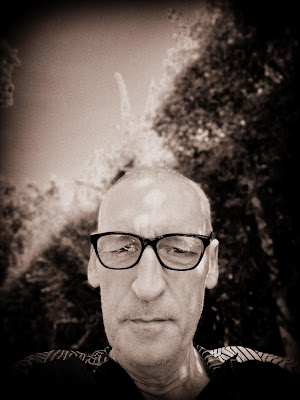
Gerhard Kaučić (67, 2026), Philosoph
Gerhard Kaučić (geb. 1959), Philosopher, Writer, Trans-lator, Philosophical Practitioner, Queer Theorist, Deconstruction, Queertheoretiker, Philosophischer Praktiker, Schriftsteller, Über-Setzer, Philosoph, Grammatologe, Autor, Wien, Austria, Europe
Gründer (1989) der ersten grammatologischen philosophischen Praxis (GPP) weltweit, – 37 years Philosophical Practitioner Gerhard Kaucic / Djay PhilPrax, Vienna, Austria, Europe
Philosophie … Dekonstruktion … „Recht auf Einsicht, oder die Erfindung des anderen“ (cf. J. Derrida, Psyche. Erfindung des Anderen, Wien 2011)
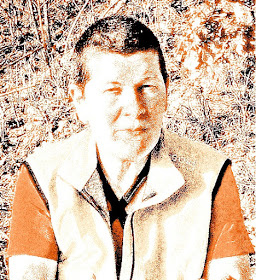
Anna Lydia Huber (67, 2026), Philosophin
Anna Lydia Huber (MSc, geb. 1959, Alter 67, 2026), Philosophische Praxis 2009 ff.
Philosophische Praktikerin/Praktische Philosophie, Sprachanalytische Philosophie, Dekonstruktion, Schriftstellerin, Übersetzerin, Österreichische Philosophin, Europäische Philosophin
Erzählungen, Berichte, Analysen, Reflexionen aus der Praxis/aus meiner/unserer Philosophischen Praxis
Wien 37 Jahre Praxis Jubiläum (1989-2026 ff.) Jubilaeum 37 Jahre PP 2026
Grammatologische PHILOSOPHISCHE PRAXIS GERHARD KAUCIC / DJAY PHILPRAX & ANNA LYDIA HUBER WIEN ÖSTERREICH EUROPA
Die Lehre der Lekritüre der Grammatologie.
Eine jede „Einschreibung“ ist nicht „für immer“, eine jede Einschreibung ist endlich wie das Subjekt selbst, dessen „Archiv“ zerstört werden kann wie jedes Archiv.
Auch jedes Medienarchiv.
Durch die Bewußtmachungsarbeit passieren Dinge, die wir nicht planen, nicht kontrollieren können.
Mit Turnheim behaupte ich eine grundsätzliche Verwandtschaft von Psychoanalyse und Demokratie und von Dekonstruktion und Demokratie. Alle drei Namen sprechen von der Irreduktibilität der Singularität bei gleichzeitiger versuchter Wiederholbarkeit!
Psychoanalyse und Dekonstruktion behaupten beide eine Irreduzibilität der Hetero-Affektion in der Erfahrung eines „Eigenen“ und beide gehen von einem Wirken eines inneren Fremdkörpers aus!
Die Illisibilität eines jeden Textes und seine „Grundlosigkeit“! (vgl. Michael Turnheim, Das Andere im Gleichen, S. 11)
Der Analytiker ist ein Leser, eine Leserin. Und! Der Analytiker wird zum Schreiber, zum Schriftsteller als lesenden.
Text bleibt unlesbar lesbar ! (vgl. R. Barthes Illisibilität)
Die „Einschreibung“ ist nicht „für immer“, eine jede Einschreibung ist endlich wie das Subjekt selbst, dessen „Archiv“ zerstört werden kann wie jedes Archiv. Auch jedes Medienarchiv.
Durch die Bewußtmachungsarbeit passieren Dinge, die wir nicht planen, nicht kontrollieren können.
Affizierungen !
Die diversen Affizierungen und Immunisierungen sind unkontrollierbar. Sie basieren und passieren aufgrund der jeweiligen individuell biographischen Vor-Einschreibungen.
Gegenwartsphilosophie
Contemporary Philosophy
Zur Frage und zum Wort „Dekonstruktion“ vgl. Jacques Derridas „Überlegungen“ in einem „Brief an einen japanischen Freund“ aus dem Jahr 1985, übersetzt ins Deutsche und abgedruckt in: J. Derrida, Psyche. Erfindungen des Anderen II. Wien 2013 (Passagen Vlg.), S. 15 – 22.
„Das Wort „deconstruction“ bezieht, wie jedes andere auch, seinen Bedeutungswert nur von einer Einschreibung in eine Kette möglicher Substitutionen, in das, was man so seelenruhig einen „Kontext“ nennt.“ (ebda., S. 21)
„Allem Anschein zum Trotz ist die Dekonstruktion jedenfalls weder eine Analyse noch eine Kritik …
Eine Analyse ist sie insbesondere deshalb nicht, weil die Zerlegung (décomposition) einer Struktur kein Rückgang zum einfachen Element, zu einem nicht weiter zerlegbaren Ursprung ist.
Diese Werte, wie der der Analyse, sind selbst der Dekonstruktion unterworfene Philosopheme.“ ( S. 19)
„Die Dekonstruktion hat Statt, sie ist ein Ereignis (événement), das nicht erst auf die Überlegung, das Bewußtsein oder die Organisation des Subjekts, nicht einmal der Moderne, wartet.
Es dekonstruiert sich.“ (S. 20)
Philosophie … Dekonstruktion … „Recht auf Einsicht, oder die Erfindung des anderen“ (cf. J. Derrida, Psyche. Erfindung des Anderen, Wien 2011)
„Die Dekonstruktion hat notwendigerweise von innen her zu operieren, sich aller subversiven, strategischen und ökonomischen Mittel der alten Struktur zu bedienen, sich ihrer strukturell zu bedienen“ (Derrida, Grammatologie, S. 45), um schließlich den nicht strukturell zu erfassenden Praxischarakter der Wahrheit freizulegen.
Gemeint ist die Sichtbarmachung der Doppelheit des gleichzeitigen An-und Abwesendsein der Wahrheit, des etwas Erblickens und dadurch anderes Aus-dem-Blickfeld-Ausschließens. (H. Kimmerle, J. Derrida zur Einführung, S. 49)
Dekonstruktion läßt sich nicht in einen „Begriff“ Dekonstruktion einschließen.
Und Dekonstruktion erschließt beziehungsweise eröffnet einen Zugang zum Anderen durch Entdeckungen von Unbekanntem oder bisher Ungedachtem.
Dekonstruktion läßt sich nicht definieren und nicht abschließen (vgl. dazu J. Derrida, Limited Inc, S. 171 ff.).
Die Dekonstruktion ist und bleibt stets die Befragung der Ursprünge, der Grundlagen und der Grenzen unseres begrifflichen, theoretischen und normativen Apparates. Und dies immer in der doppelten Bewegung der Différance.
Ein Text, der vielleicht aus gewohnter (binärer) These und Antithese besteht, enthüllt, wenn er dekonstruiert wird, beispielsweise eine Vielzahl von Perspektiven, die gleichzeitig vorhanden sind, – oft in Konflikt miteinander.
Dieser Konflikt aber wird durch die Dekonstruktion erst sichtbar.
Dekonstruktion hat eine ethische Komponente, da sie die Beziehung zum Anderen eröffnet, insofern sie Zugänge zu bislang Ungedachtem oder bisher Ausgeschlossenem findet und möglicherweise neue gesellschaftliche, neue zwischenmenschliche, neue politische, neue wissenschaftliche, neue juristische, neue technische, neue philosophische und künstlerische Denk- und Handlungsweisen erfindet oder auffindet (vgl. dazu E. Lévinas und J. Derrida).
Grammatologische Philosophische Praxis (GPP) könnte dazu einen nicht wenig gewichtigen Beitrag leisten, denke ich.
Denken wir.
ALH & GK
[[ Gerhard Kaučić / Djay PhilPrax (born 1959), Anna Lydia Huber (born 1959), Philosophers, –
Writers, Feminists, Freeriders, Grammatological Philosophical Practice (GPP), Vienna, PP since 1989, Dr. phil., MSc, —
( Copyright, Bildrechte, Urheberrecht, rights to images, copyright, Picture rights, Image Rights, Copyright, –
Texte, Fotos © Anna Lydia Huber, Gerhard Kaučić ) ]]
Zum besseren Verständnis und zur beginnenden Einübung in unsere philosophische Praxis lesen Sie bitte unsere Charakterisierung der Grammatologischen Philosophischen Praxis (GPP GK & ALH, Deutsch/Englisch), –
Url/Link: https://www.philosophischepraxiskaucicundhuber.at/charakterisierung/
For a better understanding and to begin practicing our philosophical approach, please read our characterization of Grammatological Philosophical Practice. (GPP GK & ALH, German/English), –
Url/Link: https://www.philosophischepraxiskaucicundhuber.at/charakterisierung/
P.s.:
Literaturliste gemäß Google Scholar bis Datum 28.02.2026:
Url/Link:
https://disseminationsdjayphilpraxkaucic.blogspot.com/2025/03/latest-news-information.html?m=1