Tag Archives: capitalism

Freedom / Freiheit

Zumindest der Versuch eines Protokolls eines Experiments, – aufgezeichnet von Gerhard Kaučić und Anna Lydia Huber:

Zwei Gruppen, ein Thema.

Eine aus München auf Deutsch und eine aus Bratislava auf Englisch.

Die Gesprächs- und Analysegrundlage bildet Kaučićs und Hubers Text

  „The concept of freedom and its freedoms“

vom 13.03.2025 mit dem Url/Link: 

https://www.philosophischepraxiskaucicundhuber.at/2025/03/13/the-concept-of-freedom-and-its-freedoms/

Weiterführende Literatur als Gesprächsgrundlage dieses Experiments einer Grammatologischen Philosophischen Praxis (GPP) zweier voneinander unabhängiger Gruppen in 2 unterschiedlichen Sprachen:

Hannah Arendt: Die Freiheit, frei zu sein, Vita activa, Über die Revolution.

Immanuel Kant: Kritik der reinen Vernunft (transzendentale Freiheit) und Kritik der praktischen Vernunft (moralische Freiheit) plus Grundlegung zur Metaphysik der Sitten ( Verbindung von Freiheit, Autonomie und dem kategorischen Imperativ). 

Jacques Derrida: Schurken. Zwei Essays über die Vernunft, Von der Gastfreundschaft.

Das Konzept der Freiheit und seine Freiheiten. Über das Konzept und die Verständlichkeit von Freiheit  bei Gerhard Kaučić und Anna Lydia Huber ?

Grundgedanke: Freiheit existiert nur in realen Bedingungen

Kaučić und Huber verstehen Freiheit nicht als abstrakte metaphysische Eigenschaft.

Freiheit wird erst bedeutsam, wenn man sie in den tatsächlichen politischen, ökonomischen und sozialen Bedingungen betrachtet.

Freiheit ist nie absolut.

Sie ist immer situiert und begrenzt.

Sie muss sich in der Realität bewähren.

Demokratische, transparente und rechtsstaatliche Strukturen sind die Voraussetzung dafür, dass Freiheit überhaupt entstehen kann.

At least an attempt at a protocol of an experiment, recorded by Gerhard Kaučić and Anna Lydia Huber:

(partial translation into German or vice versa into English by GK & ALH)

Two groups, one topic.

One from Munich in German and one from Bratislava in English.

The basis for discussion and analysis is Gerhard Kaučić’s and Anna Lydia Huber’s text

“The concept of freedom and its freedoms”

dated March 13, 2025, with the URL/link: https://www.philosophischepraxiskaucicundhuber.at/2025/03/13/the-concept-of-freedom-and-its-freedoms/

Further reading as a basis for discussion of this experiment in Grammatological Philosophical Practice (GPP) by two independent groups in two different languages:

Hannah Arendt: The Freedom to Be Free, The Human Condition (Vita Activa), On Revolution.

Immanuel Kant: Critique of Pure Reason (transcendental freedom) and Critique of Practical Reason (moral freedom) plus Groundwork of the Metaphysics of Morals (connection between freedom, autonomy, and the categorical imperative). 

Jacques Derrida:  Rogues: Two Essays on Reason,  Of Hospitality.

1. Core Idea: Freedom Exists Only in Real Conditions

Kaučić and Huber argue that traditional philosophical debates about “free will” fail because they ignore the concrete conditions in which human beings actually live.

Freedom is not a metaphysical essence.

It is something that must be understood within political, economic, and social frameworks.

What we call “free will” is always shaped by these frameworks.

They emphasize that constitutional, transparent, democratic structures are what make freedom even partially possible.

2. Freedom as a Space of Action

According to them, individuals experience freedom as a subjective scope of action:

This scope is limited by economic circumstances.

It is also limited by our own “subjectively diverse reasonableness”—our biases, fears, and internal obstacles.

Real freedom requires constant effort to overcome these internal and external barriers.

Freedom is therefore not a state but a practice.

3. Kant and the Demand for Objective Reality

They invoke Kant to argue that freedom must prove itself in objective reality:

Freedom is not meaningful unless it can be enacted.

Philosophy itself presupposes freedom—without it, thinking collapses.

Thus, freedom is both a precondition and a task.

4. Democracy as the Condition for Free Philosophy

They draw on Derrida’s idea of a “democracy to come”:

A free philosophy requires a democracy in development, always improving.

Freedom is inseparable from democratic structures.

Literature, art, science, and quality journalism also depend on this democratic space.

Freedom is therefore collective, not merely individual.

5. Philosophical Practice as a Way to Navigate Freedom

In their broader work, Kaučić and Huber describe Grammatological Philosophical Practice as:

A method for overcoming fear.

A way to analyze and deconstruct power, authority, and ideology.

A communicative effort to resist domination and open spaces for freedom and emancipation.

This practice is part of their understanding of how freedom can be lived and expanded.

6. What “the freedoms/liberties” mean

The plural—freedoms—signals that:

Freedom is not one thing but many overlapping dimensions.

Political freedom, economic freedom, communicative freedom, artistic freedom, and personal autonomy all interact.

These freedoms can support or undermine one another depending on the conditions.

Freedom is therefore a constellation, not a single concept.

7. Comprehensibility of Freedom

They argue that freedom becomes comprehensible only when:

It is grounded in real-world structures.

It is understood as a dynamic process.

It is seen as something that must be continually defended and enacted.

Freedom is not a mystical enigma. Nor is it a gift. Freedom is not a mystery—it is a practical, lived, and political phenomenon.

Freedom is not a metaphysical mystery, but a practical, lived, and political phenomenon as desire.

The eternal dream of free and unrestricted movement in space.

Personal. Social. Political. Spatial. Economic. Intellectual. Communicative. Informative. Societal. Libidinal. Freedom of the press. Artistic. Performative. Gender. 

Ein Experiment!  

Zumindest der Versuch eines Protokolls eines Experiments, – aufgezeichnet von Gerhard Kaučić und Anna Lydia Huber:

Zwei Gruppen, ein Thema.

Eine aus München auf Deutsch und eine aus Bratislava auf Englisch.

Die Gesprächs- und Analysegrundlage bildet Kaučićs und Hubers Text

vom 13.03.2025 mit dem Url/Link: https://www.philosophischepraxiskaucicundhuber.at/2025/03/13/the-concept-of-freedom-and-its-freedoms/

1. Grundgedanke: Freiheit existiert nur in realen Bedingungen

Kaučić und Huber verstehen Freiheit nicht als abstrakte metaphysische Eigenschaft.

Freiheit wird erst bedeutsam, wenn man sie in den tatsächlichen politischen, ökonomischen und sozialen Bedingungen betrachtet.

Freiheit ist nie absolut.

Sie ist immer situiert und begrenzt.

Sie muss sich in der Realität bewähren.

Demokratische, transparente und rechtsstaatliche Strukturen sind die Voraussetzung dafür, dass Freiheit überhaupt entstehen kann.

2. Freiheit als Handlungsspielraum

Für Individuen zeigt sich Freiheit als subjektiver Handlungsspielraum:

Er wird durch ökonomische Bedingungen eingeschränkt.

Er wird durch unsere eigenen inneren Grenzen beeinflusst (Ängste, Vorurteile, Gewohnheiten).

Freiheit ist daher kein Zustand, sondern ein ständiger Prozess des Überwindens.

Freiheit ist etwas, das man praktiziert, nicht etwas, das man einfach besitzt.

3. Kant: Freiheit muss sich in der Wirklichkeit zeigen

Kaučić und Huber greifen Kant auf, um zu betonen:

Freiheit ist nur lebbar/sinnvoll, wenn sie wirklich ausgeübt werden kann.

Denken selbst setzt Freiheit voraus.

Freiheit ist sowohl Voraussetzung als auch Aufgabe.

Damit wird Freiheit zu einem Prüfstein: Sie muss sich im Handeln bewähren.

4. Demokratie als Bedingung freier Philosophie

Mit Bezug auf Derridas Idee einer „Demokratie im Kommen“ argumentieren sie:

Freies Denken braucht eine offene, sich entwickelnde Demokratie.

Freiheit ist immer auch kollektiv.

Kunst, Wissenschaft, Qualitäts-Journalismus und Philosophie können nur in einem demokratischen Raum wirklich frei sein.

Freiheit ist also nicht nur individuell, sondern ein gesellschaftliches Projekt.

5. Philosophische Praxis als Weg zur Freiheit

In ihrer Grammatologischen Philosophischen Praxis (GPP) betonen Kaučić und Huber:

Philosophie hilft  Angst zu überwinden.

Sie dient dazu, Machtstrukturen sichtbar zu machen und zu dekonstruieren.

Sie schafft Kommunikationsräume, in denen Freiheit wachsen kann. Eine kommunikative Anstrengung, um sich der Herrschaft zu widersetzen und Räume für Freiheit und Emanzipation zu öffnen.

Philosophieren ist für sie ein Werkzeug der Befreiung, der Emanzipation.

6. Warum sie von „Freiheiten“ sprechen

Der Plural — Freiheiten — zeigt:

Freiheit besteht aus vielen Dimensionen.

Politische, ökonomische, kommunikative, künstlerische und persönliche Freiheiten überlagern sich.

Diese Freiheiten können einander stärken oder behindern.

Freiheit ist also ein Geflecht, kein monolithischer Begriff.

7. Die Verständlichkeit von Freiheit

Freiheit wird verständlich, wenn man sie:

in reale Bedingungen einbettet,

als dynamischen Prozess begreift,

als etwas versteht, das ständig verteidigt und gestaltet werden muss.

Freiheit ist kein mystisches Enigma. Und auch kein Geschenk. Freiheit ist kein metaphysisches Rätsel, sondern ein praktisches, gelebtes und politisches Phänomen als Begehren.

Der ewige Traum von freier und freizügiger Bewegung im Raum.

Des weiteren stellten wir alle uns dem Versuch einer Vergleichsanalyse in unserer GPP:

1. Immanuel Kant

Kant versteht Freiheit als Bedingung der Moral, als Fähigkeit, nach selbstgegebenen Vernunftgesetzen zu handeln.

Kaučić & Huber stimmen zu, dass Freiheit sich in der Realität bewähren muss, verschieben den Fokus aber auf politische, soziale und ökonomische Bedingungen und auf den Fokus des psychoanalytisch gedachten sogenannten Begehrens.

Bei Kant ist Freiheit vor allem innerlich (Autonomie).

Bei Kaučić & Huber ist Freiheit diagnostiziert als Begehren, aber auch situiert und abhängig von demokratischen Strukturen.

Kant gründet Freiheit in der Vernunft, Kaučić & Huber in politischer Praxis, Begehrenskultur und gesellschaftlichen Bedingungen.

2. Hannah Arendt

Arendt definiert Freiheit als Handeln im öffentlichen Raum, als Fähigkeit, Neues zu beginnen.

Kaučić & Huber teilen diese Betonung der politischen Freiheit, erweitern sie aber um ökonomische Einschränkungen, subjektive Ängste und die Psychostruktur des Begehrens.

Arendt betont Pluralität und Handlung, Kaučić & Huber sprechen von pluralen Freiheiten in Strukturen.

Arendt betont das politische Handeln, Kaučić & Huber die strukturellen (polit-ökonomisch und subjektorientiert singulär) und die singulären Voraussetzungen dafür.

3. Jacques Derrida

DerridasDemokratie im Kommen“ ist ein offenes, unvollendetes Projekt.

[[ kleiner Einschub dazu / zum besseren Verständnis von Derrida und Demokratiephilosophie:

Müssen wir, können wir, dürfen wir an die Idee der Demokratie Zweifel setzen ?!?

Und an der Demokratiefähigkeit !?!

An der Demokratiemöglichkeit ?! Der Demokratizität !?

Am Demokratischen?!

An der Frage der kommenden Demokratie !?

Warum bezeichnet Jacques Derrida die Demokratie als kommende, – Demokratie !?

Zitat:

Jacques Derrida: „Aufgrund des Geheimnisses möchte ich die Frage der Demokratie abermals aufnehmen, da es ein Konzept der Politik und der Demokratie als Offenheit gibt – wir sind alle gleich und der öffentliche Bereich steht uns allen offen -, was dazu tendiert, das Geheimnis zu negieren, auszustreichen oder zu verbieten;

in jedem Fall tendiert es dazu, das Recht aufs Geheimnis auf den privaten Bereich zu beschränken und damit eine Kultur der Privatsphäre zu etablieren. (Ich denke, das ist die vorherrschende und hegemoniale Tendenz in der Geschichte der Politik des Westens.) …

ich habe versucht, gegen eine derartige Interpretation der Demokratie eine Erfahrung des Geheimnisses und der Singularität zu denken, der gegenüber der öffentliche Bereich keine Rechte und keine Macht in Anschlag bringen kann.“

( Jacques Derrida: Bemerkungen zu Dekonstruktion und Pragmatismus, – in: Ch. Mouffe (Hg.): Dekonstruktion und Pragmatismus. Demokratie, Wahrheit und Vernunft. Wien 1999 (Passagen Verlag), S. 179. )

Wir bekräftigen:

Jacques Derrida bezeichnet die kommende Demokratie als eben solche aufgrund des Geheimnisses (!) als Erfahrung des Singulären (!), aus der das Politische nur erwachsen kann, – und zwar erwachsen in seiner Offenheit. Offen ist kommend.

Die Erfahrung ist das, was das Subjekt über ein bisher Erfahrbares hinausführt, – quasi entgegen allen und als Überraschung aller Erwartungen, Hoffnungen, Begehrlichkeiten. Das was den Horizont der Wahrnehmung zu übersteigen vermag.

Das Geheimnis haftet an einer solchen „Übersteigung“ von etwas. Das Geheimnis könnte das unmöglich Scheinende, ja das Unmögliche sein, – das Politische werden, als die Erfahrung eines Unmöglichen.

Das Unmögliche ist das Singuläre!

(vgl. Derrida, Politik der Freundschaft, S. 55 und Die unbedingte Universität, S. 73)

Das Politische erwächst aus der Erfahrung des Singulären aufgrund des Geheimnisses, das die Erfahrung des Singulären zur Voraussetzung hat oder besser noch, diesem anhaftet, als Präsenz der Absenz bleibend. Eben die kommende Demokratie, die immer erst ankommende Demokratie.

Dies ist der Initialeffekt des Denkens der Singularität und also des Geheimnisses dafür, warum zum Beispiel in der Literatur alles gesagt werden kann und weswegen Literatur mit Demokratie verantwortlich (!) zusammenzudenken ist.

Warum bezeichnet Derrida die Demokratie als „kommend“?

Derridas Ausdruck „die kommende Demokratie“ (la démocratie à venir) ist von zentraler Bedeutung.

Er signalisiert, dass Demokratie niemals vollständig erreicht, niemals vollständig präsent ist. Sie befindet sich immer im Werden, wird immer aufgeschoben, wird immer von ihrer eigenen Unmöglichkeit heimgesucht.

Dieses „Kommen“ ist keine zeitliche Verzögerung, sondern ein strukturelles Merkmal: Demokratie ist der Name für ein Versprechen, das niemals erfüllt werden kann, sondern endlos bekräftigt werden muss.

Diese Idee wurzelt in Derridas Dekonstruktion von Präsenz und Identität. Demokratie ist für ihn kein festes Regime, sondern ein Aufruf, eine Forderung, ein Versprechen, das uns in Bewegung hält, zum Hinterfragen anregt und unsere politischen Vorstellungen verändert.

Und das Geheimnis ist nichts, was ich in mir verberge; es ist nicht Ich. Das Geheimnis ist nicht das Geheimnis der Vorstellung, die man im eigenen Kopf einschließt und von der man beschließt, sie niemandem zu sagen, es ist eher ein Geheimnis, das der Erfahrung des Singulären koexistent ist. Das Geheimnis kann nicht auf den öffentlichen Bereich reduziert werden – trotzdem nenne ich es nicht privat -, es kann auch nicht auf die Veröffentlichung oder das Politische reduziert werden, zur selben Zeit liegt dieses Geheimnis dem zugrunde, von dem aus der öffentliche Bereich und der Bereich des Politischen zu sein, und offen zu sein, vermag.“

 ( Jacques Derrida: ebda., Bemerkungen zu Dekonstruktion und Pragmatismus, – in: Ch. Mouffe (Hg.): Dekonstruktion und Pragmatismus. Demokratie, Wahrheit und Vernunft. Wien 1999 (Passagen Verlag), S. 178f. )

In der platonischen Ideenlehre ist die Idee des Guten das oberste Prinzip. Ein nicht einfach zu erfassendes Prinzip! Umgelegt auf die heutige Politik möchte ich (GK&ALH) dieses „Prinzip“(!) anwenden auf die modernen Menschenrechtsformulierungen, nach denen sich heutige Politik und PolitikerInnen zu richten hätten, – also auf das, was gut und richtig ist für alle Menschen auf diesem Globus, das sogenannte „planetarische Prinzip“ (vgl. Gayatri Chakravorty Spivak) den „Anderen“ zu denken, im Zeichen der Alterität zu denken, – …

… – ja vom Imperativ(!), das Subjekt als planetarisch zu denken, – auch und besonders auf die großen Herausforderungen der Politik im 21. Jahrhundert gerichtet gedacht.

( cf. Gayatri Chakravorty Spivak: Imperative zur Neuerfindung des Planeten – Imperatives to Re-Imagine the Planet (hg. v. Willi Goetschel engl./dt.). Wien 2013, 2. Aufl., Passagen Verlag, S. 49vv.ff. und Charles Taylor: Multiculturalism and the „Politics of Recognition“. Princeton 1994, p. 28 )  

Eine Demokratie im Werden (sagten wir oben und nicht nur auf nationalstaatlichem Boden, vgl. Kant, Zum ewigen Frieden) in den überstaatlichen Beziehungen, Rechtsverhältnissen und Institutionen, – eine Demokratie, die als kommende noch kaum bis gar nicht begonnen haben dürfte. Das ist das Thema von Liebe und Haß, Frieden und Krieg, Gemeinsames und Einsames, ein Thema der Möglichkeit, Wahrscheinlichkeit und Unmöglichkeit.

Derridas Denken lädt uns dazu ein, Demokratie nicht als ein zu verteidigendes System zu betrachten, sondern als eine Frage, die gelebt werden muss. Es fordert uns auf, wachsam gegenüber dem Dogmatismus jeder politischen Ordnung zu sein, auch der demokratischen.

Es erinnert uns daran, dass die demokratischste Geste darin besteht, die Frage der Demokratie offen zu halten – der Versuchung zu widerstehen, sie abzuschließen, sie ein für alle Mal zu definieren.

Die Demokratie als philosophischer Begriff, die immerwährend im Kommen bleibt (vgl. Teaser in unserem Blogspot-Blog 2014 ff.).  ]]

Kaučić & Huber übernehmen diese Idee: Freiheit ist nie abgeschlossen.

Beide betonen Dekonstruktion von Macht und die Notwendigkeit transparenter demokratischer Prozesse.

Derrida fokussiert Unbestimmtheit, Kaučić & Huber praktische grammatologisch-philosophische Arbeit.

Derridas Freiheit ist aporetisch und konzeptuell, Kaučić & Huber bestehen auf praktischer, institutioneller und persönlicher Freiheit.

Furthermore, we all attempted a comparative analysis in our GPP:

We want the two groups of three people each   a) in German from a university seminar in Munich and   b) in English in Bratislava to compare the position of Kaučić & Huber with Immanuel Kant, Hannah Arendt, and  Jacques Derrida.

1. Immanuel Kant

Kant sees freedom as the condition of morality: the ability to act according to self-given rational laws.

Kaučić & Huber agree that freedom must prove itself in reality, but they shift the focus from moral autonomy to political, social, and economic conditions and on the focus of psychoanalytically conceived so-called desire.

For Kant, freedom is primarily internal (autonomy).

For Kaučić & Huber, freedom is diagnosed as desire, but also situated and dependent on democratic structures.

Kant bases freedom on reason, Kaučić & Huber on political practice, the culture of desire, and social conditions.

2. Hannah Arendt

Arendt defines freedom as action in the public sphere, the ability to begin something new.

Kaučić & Huber share this emphasis on political freedom, but extend it to include economic constraints, subjective fears, and the psychological structure of desire.

Arendt sees freedom as plurality and action.  Kaučić & Huber see it as plural freedoms embedded in structures.

Arendt emphasizes political action, while Kaučić & Huber emphasize structural conditions that make action possible.

3. Jacques Derrida

Derrida’s   “democracy to come” is an open, unfinished project.

[[  A brief aside for a better understanding of Derrida and democratic philosophy:

Must we, can we, are we allowed to question the idea of democracy?

And the capacity for democracy? The possibility of democracy? Democracy itself?

The democratic? The question of the coming democracy?

Why does Jacques Derrida refer to democracy as coming, – democracy!?

Citation:

Jacques Derrida: „Because of secrecy, I would like to revisit the question of democracy, since there is a concept of politics and democracy as openness—we are all equal and the public sphere is open to all of us—which tends to negate, erase, or prohibit secrecy;

in any case, it tends to restrict the right to secrecy to the private sphere and thus establish a culture of privacy. (I think this is the dominant and hegemonic tendency in the history of Western politics.) …

I have tried to counter such an interpretation of democracy with an experience of secrecy and singularity, against which the public sphere can assert no rights and no power.“

(Jacques Derrida: Remarks on Deconstruction and Pragmatism, in: Ch. Mouffe (ed.): Deconstruction and Pragmatism. Democracy, Truth, and Reason. Vienna 1999 (Passagen Verlag), p. 179., german ed.)

A brief digression on our part:

1. Must we, can we, are we allowed to question democracy?

Derrida’s answer is a resounding yes—not only are we allowed, but we must. For Derrida, democracy is not a stable, self-evident system, but a site of constant contestation. To treat democracy as a finished project is to betray its very spirit. Questioning democracy is not anti-democratic; it is the condition of democracy’s survival and evolution.

2. The capacity for democracy? The possibility of democracy? Democracy itself? The democratic?

Derrida distinguishes between democracy (as a historical, institutional reality) and the democratic (as an infinite promise, an ideal that can never be fully realized).

The “capacity for democracy” refers to the conditions that make democracy possible—conditions that are always fragile, contested, and in need of renewal.

The “possibility of democracy” is the open-ended, future-oriented dimension of democracy: it is always to come (à venir), never fully present.

3. Why does Derrida refer to democracy as “coming”?

Derrida’s phrase “democracy to come” (la démocratie à venir) is central.

It signals that democracy is never fully achieved, never fully present. It is always in the process of becoming, always deferred, always haunted by its own impossibility.

This “coming” is not a temporal delay, but a structural feature: democracy is the name for a promise that can never be fulfilled, but must be endlessly reaffirmed.

This idea is rooted in Derrida’s deconstruction of presence and identity. Democracy, for him, is not a fixed regime, but a call, a demand, a promise that keeps us moving, questioning, and transforming our political imaginaries.

4. Secrecy and the Public Sphere

In the passage above, Derrida challenges the dominant Western conception of democracy as transparency, openness, and the eradication of secrecy.

He argues that this vision is not only impossible (since secrecy is inherent to human experience), but also dangerous—it risks becoming a new form of totalitarianism, where everything must be exposed, controlled, and made public.

Derrida insists on the right to secrecy as a condition of democracy. Secrecy is not just a private matter; it is the space where singularity, difference, and the unassimilable can resist the homogenizing forces of the public sphere.

For Derrida, a democracy that cannot tolerate secrecy is a democracy that cannot tolerate the other, the unknown, the unpredictable—it is a democracy that has forgotten its own promise.

5. The Question of the Coming Democracy

The “coming democracy” is not a future democracy, but democracy as the experience of the question itself.

It is the recognition that democracy is always in crisis, always incomplete, always to be reinvented. This is not a weakness, but its strength: democracy’s openness to its own impossibility is what keeps it alive.

Why does this matter?

Derrida’s thought invites us to see democracy not as a system to be defended, but as a question to be lived.

It calls us to be vigilant against the dogmatism of any political order, including democratic ones. It reminds us that the most democratic gesture is to keep the question of democracy open—to resist the temptation to close it off, to define it once and for all.

To reflect further:

How does Derrida’s vision of democracy as “to come” challenge or resonate with your own understanding of political life?

Do you see spaces in contemporary politics where the tension between openness and secrecy, between the public and the singular (in german: das Singuläre), is particularly acute?  ]]

Kaučić & Huber adopt this idea: freedom is never complete, always in development.

Both stress deconstruction of power and the need for transparent democratic processes.

Derrida focuses on indeterminacy; Kaučić & Huber focus on practical philosophical work.

Derrida’s freedom is aporetic and conceptual, while Kaučić & Huber insist on practical, lived, institutional freedom.

English:

How do Kaučić & Huber redefine freedom compared to classical metaphysical accounts?

In what ways does Kant’s concept of autonomy differ from their situated understanding of freedom?

Can freedom exist without democratic structures, according to the authors?

How does Arendt’s idea of political action illuminate or challenge their view?

What does Derrida’s “democracy to come” add to the discussion of freedom?

Are “freedoms” (plural) more useful than “freedom” (singular)?

How do economic constraints shape or limit freedom in contemporary societies?

Is philosophical practice itself a form of political action?

Deutsch:

Wie definieren Kaučić & Huber Freiheit neu im Vergleich zu klassischen metaphysischen Ansätzen?

Worin unterscheidet sich Kants Autonomiebegriff von ihrem situierten Freiheitsverständnis?

Kann Freiheit ohne demokratische Strukturen existieren?

Wie erhellt oder hinterfragt Arendts Begriff des politischen Handelns ihre Position?

Was trägt Derridas „Demokratie im Kommen“ zur Freiheitsdebatte bei?

Sind „Freiheiten“ (Plural) hilfreicher als „Freiheit“ (Singular)?

Wie formen ökonomische Bedingungen die Freiheit in heutigen Gesellschaften?

Ist philosophische Praxis selbst eine Form politischen Handelns?

English:

Concrete grounding: They avoid abstract metaphysics and focus on real political and economic conditions.

Pluralistic approach: Recognizing multiple freedoms reflects contemporary complexity.

Integration of practice: Philosophy becomes a tool for empowerment, not just theory.

Democratic emphasis: They highlight the fragility and necessity of democratic structures.

Underestimation of inner autonomy: By emphasizing structures, they risk downplaying Kantian moral agency.

Potential vagueness: “Plural freedoms” can become conceptually diffuse. (Really? Seriously?!  Are you serious?)

Dependence on democracy: Their model may struggle to explain freedom (!) in non-democratic contexts (!?).

Limited engagement with existential freedom: Thinkers like Sartre or Kierkegaard are absent, though relevant (?! missing or unwanted ?!).

Their concept is powerful for political philosophy and civic practice, but less suited for metaphysical or existential accounts of freedom.    ( !?!? )

(Metaphysics contemporary?! Intellectualism expands!?)

I think I can say that we all worked very hard and were very satisfied with the results (especially with the various complex reading and discussion processes).

It was a wonderful example of intelligent and respectful collaboration. Warm regards to you all, and we hope to see you again in the not too distant future.

Vienna, Austria, Europe, January 29, 2026

Deutsch:

Konkrete Verankerung: Sie vermeiden abstrakte Metaphysik und fokussieren reale politische und ökonomische Bedingungen.

Pluralistischer Ansatz: Die Anerkennung mehrerer Freiheiten entspricht der gesellschaftlichen Komplexität.

Praxisorientierung: Philosophie wird zum Werkzeug der Befreiung.

Demokratiebezug: Sie betonen die Verletzlichkeit und Notwendigkeit demokratischer Strukturen.

Unterschätzung innerer Autonomie: Durch den Fokus auf Strukturen wird die kantische moralische Selbstbestimmung abgeschwächt.

Begriffliche Unschärfe: „Freiheiten“ kann theoretisch ausfransen. (tatsächlich? wirklich?! ernsthaft?)

Demokratieabhängigkeit: Ihr Modell erklärt Freiheit (!) in nicht-demokratischen (!?) Kontexten nur schwer (!)?).

Fehlende (?! fehlend oder unerwünscht ?!) existenzialistische Perspektive: Sartre oder Kierkegaard fehlen, obwohl sie relevant wären.

Ein starkes politisch-philosophisches Freiheitskonzept, aber weniger geeignet für metaphysische oder existenzialistische Fragestellungen.

( !?!? )

( Metaphysik zeitgemäß ?! Intellektualismus expandiert !?)

Ich glaube, ich kann sagen, dass wir alle sehr hart gearbeitet haben und mit den Ergebnissen (besonders mit den divers aufwendigen Lese- und Gesprächsprozessen) sehr zufrieden waren. Es war ein wunderbares Beispiel für intelligente und respektvolle Zusammenarbeit.

Herzliche Grüße an Sie alle, und wir hoffen, Sie in nicht allzu ferner Zukunft wiederzusehen.

Wien, Österreich, Europa,  29.01.2026  

Sein Werk ist geprägt von Dekonstruktion, sprachanalytischer Philosophie und praktischer Philosophie.

Kaucic studierte vergleichende Literaturwissenschaft, Geschichtswissenschaft, Philosophie und Linguistik in Salzburg und Paris.

Er arbeitet an der Schnittstelle von Philosophie, Psychoanalyse, Queer-Theorie und Feminismus.

Seine Grammatologische Philosophische Praxis (GPP) versteht er als Intervention in gesellschaftliche Diskurse, etwa zu Themen wie Demokratietheorie, Tierphilosophie, Gewalt, Identität und Sprache.

Gerhard Kaučić publiziert auch unter dem gemeinsamen Pseudonym „Gerhard Anna Cončić-Kaučić“ mit Anna Lydia Huber. Seine Schriften befassen sich mit der Inkommunikabilität, dem Ende des Kommunizierbaren und der Dekonstruktion großer Begriffe wie Freiheit, Menschenrechte und Demokratie.

Mehr siehe:

https://scholar.google.at/citations?user=wNUSN64AAAAJ&hl=de

Sie arbeitet eng mit Gerhard Kaučić zusammen, publiziert gemeinsam mit ihm und teilt seine philosophischen und literarischen Interessen. Huber ist Mitbegründerin der „Grammatologischen Philosophischen Praxis“ (GPP) und Mitautorin der Zeitschrift „Die Grüne F Abyss“.

Ihr Werk ist geprägt von postmoderner Literatur, Dekonstruktion und der Auseinandersetzung mit Sprache, Schrift und gesellschaftlichen Machtstrukturen.

Zusammen mit Kaučić entwickelt sie eine Philosophie, die sich als „Erbarmen der Philosophie“ versteht und sich gegen Onto-Theo-Logozentrismen wendet.

Huber und Kaučić leben und arbeiten in Wien und sind bekannt für ihre interdisziplinäre und politisch engagierte Herangehensweise.

Beide stehen für eine Philosophie, die sich als lebendige Praxis versteht und sich in gesellschaftliche Debatten einmischt – sei es durch Schriften, Vorträge oder künstlerische Interventionen. Ihr gemeinsames Projekt verbindet literarische, philosophische und politische Dimensionen und sucht nach neuen Formen des Denkens jenseits traditioneller Kategorien.

Zentrale Werke und Themen

Gerhard Kaučić ist bekannt für seine Arbeit in der Grammatologischen Philosophischen Praxis (GPP), die er gemeinsam mit Anna Lydia Huber betreibt. Seine Texte und Gespräche kreisen um folgende Schwerpunkte:

Dekonstruktion und Subjektivierung: Kaučić arbeitet mit dekonstruktiven Methoden, die stark von Jacques Derrida beeinflusst sind. Er hinterfragt feste Identitäten und gesellschaftliche Konstruktionen.

Politische Philosophie: Er analysiert Machtverhältnisse, Demokratie, Krieg und Widerstand aus philosophischer Perspektive.

Philosophische Lebensberatung: In seiner Praxis bietet er Gespräche an, die sich mit existenziellen Fragen, Lebenskrisen und Sinnsuche beschäftigen.

Veröffentlichungen und Texte

Kaučić publiziert (oft gemeinsam mit AL Huber) regelmäßig auf seiner Website und in philosophischen Blogs. Einige seiner Texte tragen Titel wie:

„Was ist Philosophische Praxis?“

„Krieg und Frieden – eine dekonstruktive Annäherung“

„Subjektivität und Widerstand“

https://disseminationsdjayphilpraxkaucic.blogspot.com

https://disseminationsdjayphilpraxkaucic.blogspot.com/?m=1

Diese Texte sind oft essayistisch und laden zur Reflexion ein. Sie sind nicht akademisch im klassischen Sinn, sondern dialogisch und praxisnah.

 Arbeitsweise

Die Gespräche in der Praxis sind nicht therapeutisch, sondern philosophisch. Es geht um das Denken, das Fragen, das Verstehen.

Kaučić verwendet keine festen Methoden, sondern orientiert sich am Gesprächspartner und dessen Anliegen.

Er versteht Philosophie als lebendige Praxis, nicht als abstrakte Theorie.

P.s.:

Anmerkung von uns (GK & ALH)

Diese Zeilen wurden von einer Gruppe von Schülern und Schülerinnen unter der Führung zweier studentischer Moderator:innen in einer unserer zahlreichen Praxiseinheiten in unserer Grammatologischen Philosophischen Praxis in Wien erarbeitet und uns als Ergebnispapier überlassen.

Wir haben an dieser Schüler:innenarbeit nichts geändert und publizieren diese so wie sie uns am Do, 16.10.2025, übergeben worden ist. GK & ALH

In English:

A brief summary of the life’s work of Austrian philosopher Gerhard Kaučić and Austrian philosopher Anna Lydia Huber:

Gerhard Kaučić (born 1959) is an Austrian philosopher, writer, and founder of the “Grammatological Philosophical Practice” (GPP) in Vienna (since 1989). His work is characterized by deconstruction, linguistic-analytical philosophy, and practical philosophy.

Kaučić studied comparative literature, history, philosophy, and linguistics in Salzburg and Paris.

He works at the intersection of philosophy, psychoanalysis, queer theory, and feminism.

He sees his philosophical practice as an intervention in social discourses on topics such as democratic theory, animal philosophy, violence, identity, and language.

Gerhard Kaučić also publishes under the joint pseudonym “Gerhard Anna Cončić-Kaučić” with Anna Lydia Huber. His writings deal with incommunicability, the end of communicability, and the deconstruction of major concepts such as freedom, human rights, and democracy.

For more information, see:

https://scholar.google.at/citations?user=wNUSN64AAAAJ&hl=de

She works closely with Gerhard Kaučić, publishing jointly with him and sharing his philosophical and literary interests. Huber is co-founder of the “Grammatological Philosophical Practice” (GPP) and co-author of the magazine “Die Grüne F Abyss.”

Her work is influenced by postmodern literature, deconstruction, and the examination of language, writing, and social power structures.

Together with Kaučić, she has developed a philosophy that sees itself as the “compassion of philosophy” and opposes onto-theo-logocentrism.

Huber and Kaučić live and work in Vienna and are known for their interdisciplinary and politically engaged approach.

Both stand for a philosophy that sees itself as a living practice and intervenes in social debates—whether through writings, lectures, or artistic interventions. Their joint project combines literary, philosophical, and political dimensions and seeks new forms of thinking beyond traditional categories.

Key works and themes

Gerhard Kaučić is known for his work in Grammatological Philosophical Practice (GPP), which he runs together with Anna Lydia Huber. His texts and discussions focus on the following topics:

Deconstruction and subjectification: Kaučić works with deconstructive methods that are strongly influenced by Jacques Derrida. He questions fixed identities and social constructs.

Political philosophy: He analyzes power relations, democracy, war, and resistance from a philosophical perspective.

Philosophical life counseling: In his practice, he offers conversations that deal with existential questions, life crises, and the search for meaning.

Publications and texts

Kaučić publishes (often together with AL Huber) regularly on his website and in philosophical blogs. Some of his texts have titles such as:

Cf.:

https://disseminationsdjayphilpraxkaucic.blogspot.com

https://disseminationsdjayphilpraxkaucic.blogspot.com/?m=1

These texts are often essayistic and invite reflection. They are not academic in the classical sense, but dialogical and practical.

 Working method

The conversations in the practice are not therapeutic, but philosophical. They are about thinking, questioning, and understanding.

Kaučić does not use fixed methods, but rather orientates himself towards his conversation partner and their concerns.

He understands philosophy as a living practice, not as abstract theory.

P.S.:

Note from us (GK & ALH)

These lines were written by a group of students under the guidance of two university student moderators in one of our numerous practical sessions at our Grammatological Philosophical Practice in Vienna and given to us as a final paper.

We have not changed anything in this student work and are publishing it as it was handed over to us on Thursday, October 16, 2025. GK & ALH

Biographisches / Biographie https://www.philosophischepraxiskaucicundhuber.at/biographisches-biographie/

Biographisches, Bio, Vita, Biographie https://disseminationsdjayphilpraxkaucic.blogspot.com/2017/09/biographisches-bio-vita-biographie.html?m=1

https://disseminationsdjayphilpraxkaucic.blogspot.com/2017/09/biographisches-bio-vita-biographie.html

Lebenslauf Biographie Gegenwartsphilosophie Philosophische Praxis https://disseminationsdjayphilpraxkaucic.blogspot.com/2017/10/lebenslauf-biographie.html?m=1

https://disseminationsdjayphilpraxkaucic.blogspot.com/2017/10/lebenslauf-biographie.html

Noch mehr zur Vita und zum Werk der Philosophin und Schriftstellerin Anna Lydia Huber (66, 2025, Philosophische Praxis seit 2009) und des Philosophen und Schriftstellers Gerhard Kaučić (66, 2025, Philosophische Praxis seit 1989) in deren Postings  „Künstliche Intelligenz“ hier in diesem Blog !

Künstliche Intelligenz 09.07.2025 Url/Link: 

Künstliche Intelligenz,- eine Ergänzung 25.09.2025 Url/Link: 

Philosophical Lounge / Philosophischer Salon G Kaučić & AL Huber Wien, Österreich, –
Gerhard Kaučić (*1959), Leiter einer Grammatologischen Philosophischen Praxis seit 37 Jahren in Wien ( 1989-2026 ff.)
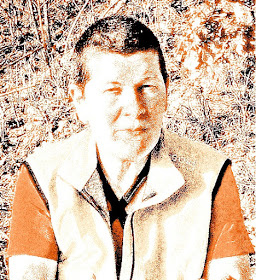
Texte, Fotos © Anna Lydia Huber, Gerhard Kaučić

Anna Lydia Huber (MSc, 67, 2026), Philosopher, Austria, Vienna / Philosophin, Österreich, Wien
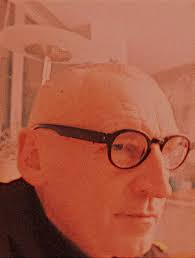
Gerhard Kaučić (Dr. phil., 67, 2026), Philosopher, Austria, Vienna / Philosoph, Österreich, Wien

GESPRÄCHE sind EREIGNISSE als TEXT

(( cf. Jacques Derrida, Signatur Ereignis Kontext, – in: Randgänge der Philosophie, Wien 1988, S. 291-314 ( Französische Originalausgabe: Marges de la philosophie, Paris 1972 ) ))

Our blog as a text event in the interaction between our philosophical practice as a text event without protocol and our philosophical practice as a „protocol“ between archive and anarchive.

Mein Lebenswerk, – unsere philosophische Praxis!

Es geht darum, es geht mir in meiner Philosophischen Praxis

(( und dazu gehört das Gespräch in dieser, aber auch meine/unsere Schreibpraxis vorher und nachher einer jeden Setzung / Sitzung(!) ))

immer darum, Texte (geschrieben, gesprochen oder Darstellungen(!) z. B. technischer, künstlerischer, ökonomischer, politischer, institutioneller Art) in ihrer inneren Struktur und in ihrem Zusammenwirken mit anderen Texten zu erfassen.

Die Texte sind nicht nur zu analysieren und zu interpretieren, sondern durch die Praxis der Dekonstruktion ihrer Konflikthaftigkeit, ihrer Aggressivität, ihrer verdeckt mitgeführten Gehalte und Intentionen zu enttarnen.

Gemeint ist die Sichtbarmachung der Doppelheit des gleichzeitigen An- und Abwesendsein(!) von Wahrheit.

Wir äußern Sätze gewollter analytischer Wahrheit und verdrängen dadurch gleichzeitig andere eventuale Wahrheits- oder Unwahrheitssätze.

The point is, in my philosophical practice

(( and this includes the conversation in this, but also my/our writing practice before and after each setting / session(!) )

is always about capturing texts (written, spoken or representations(!) e.g. technical, artistic, economic, political, institutional) in their inner structure and in their interaction with other texts.

The texts are not only to be analysed and interpreted, but also to be unmasked through the practice of deconstructing their conflictual nature, their aggressiveness, their hidden contents and intentions.

What is meant is the visualization of the duality of the simultaneous presence and absence (!) of truth.

We express sentences of desired analytical truth and thereby simultaneously repress other possible sentences of truth or untruth.

Anna Lydia Huber (MSc, 67, 2026), Philosophin, Feministin, Philosophischer Salon Wien Gasometer
Gerhard Kaučić (Dr. phil., 67, 2026), Philosoph, Feminist, Philosophischer Salon Wien Gasometer
Philosophical Lounge / Philosophischer Salon G Kaučić & AL Huber Wien, Österreich, –
Gerhard Kaučić (*1959), Leiter einer Philosophischen Praxis seit 37 Jahren in Wien ( 1989-2026 ff.)

Demokratie leben ! Demokratie im Werden ! Demokratie leben !

Demokratie leben ! Demokratie im Werden ! Demokratie leben !
Gerhard Kaučić (2026, 67), Freerider, Philosoph, Schriftsteller, Grammatologe , – belustigt, erfreut, erstaunt, gelangweilt, Zukunft vor Augen? …..
G K, – eines schönen Sommertages früher Abend , – belustigt, erfreut, erstaunt, gelangweilt, Zukunft vor Augen?! …..
G K, – early evening on a beautiful summer day, – amused, delighted, amazed, bored, future ahead?!

Biographisches / Biographie https://www.philosophischepraxiskaucicundhuber.at/biographisches-biographie/

Biographisches, Bio, Vita, Biographie https://disseminationsdjayphilpraxkaucic.blogspot.com/2017/09/biographisches-bio-vita-biographie.html?m=1

https://disseminationsdjayphilpraxkaucic.blogspot.com/2017/09/biographisches-bio-vita-biographie.html

Lebenslauf Biographie Gegenwartsphilosophie Philosophische Praxis https://disseminationsdjayphilpraxkaucic.blogspot.com/2017/10/lebenslauf-biographie.html?m=1

https://disseminationsdjayphilpraxkaucic.blogspot.com/2017/10/lebenslauf-biographie.html

Lebenswerk 07.10.2025 Url/Link: https://www.philosophischepraxiskaucicundhuber.at/werk-und-leben/

To contact me/us use only this email: g.kaucic[at]chello.at

Werk und Leben

LEBENSWERK

Noch mehr zur Vita und zum Werk der Philosophin und Schriftstellerin Anna Lydia Huber (67, 2026, Philosophische Praxis seit 2009) und des Philosophen und Schriftstellers Gerhard Kaučić (67, 2026, Philosophische Praxis seit 1989) in den hier am Ende verlinkten Postings.  

Künstliche Intelligenz 09.07.2025 Url/Link: 

Künstliche Intelligenz,- eine Ergänzung 25.09.2025 Url/Link: 

Zum besseren Verständnis und zur beginnenden Einübung in unsere philosophische Praxis lesen Sie bitte unsere Charakterisierung der Grammatologischen Philosophischen Praxis (GPP GK & ALH, Deutsch/Englisch), –

Url/Link: https://www.philosophischepraxiskaucicundhuber.at/charakterisierung/

For a better understanding and to begin practicing our philosophical approach, please read our characterization of Grammatological Philosophical Practice. (GPP GK & ALH, German/English), –  

Url/Link: https://www.philosophischepraxiskaucicundhuber.at/charakterisierung/ 

The concept of freedom and its freedoms 

     Philosopher, Writer, Feminist, Mediator, Freerider, born 1959, Dr. phil., age 66, 2025

     Head of a Philosophical Practice in Vienna (Austria) since 1989

      Philosopher, Writer, Feminist, Mediator, Freerider, born 1959, MSc, age 66, 2025

      Associate in the grammatological philosophical Practice since 2009 in Vienna and beyond

                                        To contact us, please use only these emails:

We are not primarily concerned with the question of “free” will. This metaphysical approach fails in all discourse alleys due to the reality of every present and present-ness. Constitutional, political, sociological, psychoanalytical. So-called free will can only ever be understood within the certain framework conditions of politics and economics.

Under transparent, constitutional and democratic conditions, we are thus able to recognize to some extent the extent of our subjectively perceived freedom and then define our so-called scope for action in relation to our economic circumstances.

Within this space of reality and cognition, we could ideally shape our lives according to our reason and rationality in accordance with our will as an appropriately free will (to the survival situation!). However, the degree of our subjectively diverse reasonableness repeatedly places a multitude of obstacles and difficulties in the way of all of us (towards each other and among ourselves). Meeting and possibly overcoming these requires all our strength.

The (in the European-influenced) philosophical discourses and trains of thought on “free will”, which are usually not grounded in reality in the philosophical traditions and legacies (up to the present day), must be reminded of Kant, that the freedom in question would have to prove itself in “objective reality” (Kant) and in the successful individual case is even necessary as the reason and first prerequisite for the existence of philosophy itself.

A free philosophy, i.e. a philosophy that realizes itself according to the respective singular free will, always has as a prerequisite a democracy in the coming (Derrida), a democracy in development and determination for the better in the sense of freedom under a constitutional democratic framework. The same applies to literature in any form of performance. Including, of course, the arts, the sciences, journalism, the speech of all.

In the course of history, or rather in the course of the often enough eruptive changes in human living conditions, there have always been smaller, more or less randomly occurring conditions of freedom (free from directly oppressive rule, free from economically oppressive poverty) in which individuals were able to surrender to thinking, to philosophizing thinking.

Examples of spaces of a not yet tangible, not yet visible democracy in the making. Even if only conceivable and recognizable in the distant future. Often enough, such lives ended through forced killing or lifelong survival. Examples of this: Socrates, Boethius, Thomas More, Rousseau, Marx, …

Freedom and crisis.    A crisis of freedom.

A world of freedom! ?     Which one?

Here are some crumbs towards a philosophical practice and from one of these some notes, digressions and crumbs on the possible rethinking and thinking of a “different” political theory and practice.

Without so-called free exchange on the market, our current economic system would be inconceivable.

All producers and consumers meet as free and equal and make the best decisions for them in their own specific interest in realizing their individual interests.

According to the classical school of economics, the free meeting of supply and demand on the market simultaneously serves society’s interest in the best possible supply of goods. 

According to Adam Smith, this is the so-called “invisible hand” of the market.

Does this “invisible hand” really exist?

We think no. This trade relationalism is ideology, attempted mythology and also a bit of “dumbing down of the people” (?!)

The orientation towards market-specific logics of action, more or less hidden logics of exploitation and countless disparities has become more and more dominant in the course of the history of political as well as economic power and even if today Donald J. Trump has canceled the Pacific trade agreement TPP and the transatlantic free trade agreement TTIPP (officially: Transatlantic Trade and Investment Partnership) is no longer being negotiated for the time being, the “logic”(!?) of the “free market economy” will continue to be a cornerstone of the Western promise of freedom – personal freedom and individuality.  With all the democratic values of Western democracies.

That’s no small amount.

But I always like to ask for whom?

Undoubtedly for a relatively large number of people in these countries with democracy and the rule of law. I’m happy to admit that. And that is important and should not be minimized. But the many thousands and millions of people who are not included here in these Western countries, even in the much-discussed Germany! What about them! Our politicians are quick to ignore them and most of us are quick to look the other way.

Little thought is given to it. And that pleases and benefits the political far right and plays with it in the social and political arena. The right is growing. Relative poverty remains and is even growing considerably here and there. In France, for example.  The redistribution machine distributes upwards!!!

This feeds the fascists and racism just like the wealth multipliers everywhere. Globally. The number of billionaires worldwide is increasing by almost 20% every year!

At the same time, the rapidly increasing destruction of life resources is taking place globally. Land is becoming scarce here and there due to land grabbing. Water is becoming extremely polluted everywhere and our corporations are producing in non-European countries in a way that is not permitted in Europe, plundering states and entire societies and destroying their future basis for life and survival.

Flight movements due to wars of scarcity, power instabilities with the most atrocious excesses and no chance of improvement in this life.

And in Europe, the exploiters of the feeling of foreignness and producers of racism of all kinds towards immigrants.

So-called “democracies of freedom, equality and fraternity” are wavering and walling themselves in. The danger of right-wing populism mutating into fascism is growing and growing until the tipping point is reached. And an end to individual freedoms and the rule of law along with human rights (see Slovakia, Hungary, Georgian, Turkey, Russia,… – and: USA!(?) … – and Israel! (?) ).

Where is the freedom for all! And above all which ones?

Social freedom, economic freedom, political freedom, freedom of expression, …

Where do they exist and for whom? And for how long!

For the Roma in Slovakia or the Czech Republic?  For the impoverished in Greece?  For the increasingly impoverished (“Hartz IV-ers”) in Germany! For the terrorized and bombed-out Syrians? For the imprisoned or otherwise harassed and threatened political opposition thinkers in Turkey? For the war-torn(!) people in Ukraine? In Gaza? In Israel? And! and! and!

The crisis of neoliberal capitalism?

The global financial crisis caused billions and trillions in losses. Mass incomes fell, jobs were lost in large numbers, entire sectors of industry disappeared.

At the same time, sensational publications and research on climate change . The living conditions of millions of people are under threat. And everywhere and again and again, on both a small and large scale, a simple-minded or even completely ignorant policy. Just look at Germany and the neglect of the rail infrastructure for years, even decades. And. And. And.

The capitalist mode of production and consumption !!! The production and consumption model in the capitalist metropolises!!!

According to Karl Marx, interest-bearing capital is “the mother of all crazy forms” (MEW 25, 483).

Keywords: Rising mass consumption!   Increasing mass consumption!!!   Of limited land areas and raw materials!!!

Monocultures! Species extinction! Biodiversity!  Hunger!  System collapse!? Or radical cure including redirection and radical change of the global economic geography!!!????

Regulation of capitalism – a way out or a wooden path or an aporia?

What is economic freedom? 

Is it in any way related to freedom of speech, freedom of the press or freedom of assembly, i.e. the freedoms that relate to the right to participate in political life and shape public policy?!

Does economic freedom satisfy basic needs that could be the prerequisite for being able to participate in cultural and political developments? 

Milton Friedman is not a supporter of John Dewey’s democratic ideals. He wants the freedom of choice and by this he means the freedom to shop, i.e. to spend money (he only means those who have some!). Friedman speaks of a freedom beyond state control, i.e. of an “economic landscape” in which only and really only private forces (should) have the say. Freedom as economy and life beyond state and thus social (even communal!) control! (cf. the billionaires Thiel, Musk and others)

Freedom as the freedom to want to buy better clothes, food! Consumption!  ?

The freedom to charge as much money for private schools and universities as the so-called “market” allows. In other words, the maximum allowed!

Profit maximization everywhere!!! Whether school. Whether prison. Whether career choice. Whether sperm bank.

The choice is free because it is only, almost only, a matter of money, a question of money as a matter of money management.

The others – those who have no money or too little for housing, education, food – are of no interest from this point of view.

And – the freedom to shop(!) also includes the opportunity to buy and sell other people’s livelihoods!!!

This means that the capital markets are in charge. Wall Street. They alone decide whether a company should continue to operate, where it should be able to develop, or whether it should be allowed to go under and closed down without further ado! Keyword: Rust Belt! Reagan. Thatcher. Bush. There is no industrial policy any more. Trade unions have to be toothless, if at all. No more voice. Consumers? Uninteresting. The environment! A lie of the left! See Trump, Bannon etc.

Investment banks such as Goldman Sachs call the shots. Criticism of this is unwelcome. Many are of this opinion. They support the freedom to shop!

Freedom rules where money rules !!!  To paraphrase Frank Stronach, a well-known billionaire in Austria, “he who has the gold makes the rules”!

Keynes‚ theories must be reanimated. The leading role of the democratic state and higher public spending financed by a different tax policy (much higher taxation of wealth, machine tax, financial transaction taxes, Yanis Varoufakis‚ “general basic dividend”, see Der Standard Sat./Sun, March 4/5, 2017, “Maschinen, Roboter und andere Steuerpflichtige”, in: Der Standard “Kommentar der Anderen”, p. 39 etc.) to increase distributive justice on a global scale, – as a result, increased opportunities for participation in the political process for as many as possible and perhaps the chance to preserve and protect the life of the remaining species, – also and especially for the benefit of us all !!!!  ( Read also: Thomas Piketty: Das Kapital im 21. Jahrhundert. C.H. Beck Verlag 2014 and Stephan Schulmeister: Der Weg zur Prosperität. EcoWin publishing house 2018 )

We humans also depend on the life of the many insect species. According to a new study, 80% of all insects have been wiped out in the last 20 years!!!!!

A great many philosophical practices will still be needed.  … Hm! Yes, as I said, many philosophical practices will still be necessary.. Political theories and policies are all based on the axioms and values of philosophical provenances.

I would like to thank my guests for their inspiring and hopeful reflections, trains of thought and thought creations – sometimes and always on the edge of the abyss.

No reason without an abyss?   Philosophical practice as a construction site with building blocks, ruins, gravel, scrap and techné and as a free experimental laboratory for thought walks in thought buildings and ruins of an archaeological nature.

 And: As always, we have too little time!

Every sentence has too little time. Every sentence displaces by jumping. It displaces many other possible and necessary (!) sentences (for more, see my YouTube video on “The sentence”).

Every sentence, every word, every code drives its essence and its mischief in incommunicability!

Every sentence greets a ghost. Every sentence is a ghost.

Every sentence in every setting and every session (including those in a PP/philosophical practice).

I should always have the opportunity to explain all the psychoanalytic, economic, political and juridical implications of the above.

I refer all readers to my/our publications on the net and to the publications on paper.

 To contact us, please use only these emails:

((( Additional remark on the following “Mundus Corpus” as an insertion and grafting:

Practice and practices: What happens in a philosophical practice like ours. What happens in a philosophical practice? What is a philosophical practice? What is philosophical practice? ( see below in this blog post and see especially above in the teaser ! ) What happens in my philosophical practice.

The compact citation context text “Corpus” here (!) is owed to a lucid, precise and concise reading accuracy and reading contemporaneity (strictly speaking only almost/nearby!), – a kind of grammatological necessity of thought!

In my grammatological philosophical practice, we do not formulate about something, not about texts (what is said / not said / thought / interpreted / written / drawn / filmed / meant / mediatized / realia of any kind) // (in relation and reference to supposed truths of reality), but we process as precisely as possible as readers of a text passage by reading it and subsequently analyzing the concrete (! ) ( and only these! ) linguistic units and perpetual incessant interrelation (!) of what is analyzed and its decoding by deconstructing as many (!) implications, references, (un)thoughtfulnesses and the thinking of the trace ( cf. teaser on grammatology and the trace: 

“The trace, in which the relationship to the other emerges, expresses its possibility in the entire realm of being, which metaphysics has determined as present-being from the hidden movement of the trace.

It is necessary to think the trace before the existing. …“ Op. cit., Jacques Derrida: Grammatology, pp. 81-88, germ. ed. ).  

And all of this almost in the form of “simultaneity” (!), which can almost be grasped locally – that is, in the form of maximum attention to the text currently(!) being read and in question.

After all, in a fairly and appropriate actuality and freshness of the respective now-time and as now-me (!), – that is, a bold and courageous kind of acute (!) in the time of a now and now and now as well as in the formatting of a space of the desired, ( perhaps “dreamed”! ), and as realistically at first unthought-of presence of I and me. 

“face à face” )))

 MUNDUS CORPUS

“Responsibility of the Sense” ( in: J.-L. Nancy, Das nackte Denken, Zurich, Berlin 2014, pp. 201-213 )

This thinking is maddening. … the repulsion of the world is the world. Such is the world of bodies. It has in itself this disarticulation, this inarticulation of the corpus.” (Corpus, p. 94) !!! Violence and the body !!! Violence and impossible thinking !!! Body-speaking !!! Touching !!! Madness !!! Delusion !!! Sense !!! Paranoia ???

“The Primacy of the Same or Narcissism” (Emmanuel Lévinas: The Trace of the Other, p. 167, p. 217, germ. ed.). “The senseless suffering” (hes., – in: Between us. Mch. 1995, p. 117ff., germ. ed.). “Touch anxiety” as the cause of the lack of a consciousness of plurality and otherness (Antje Kapust: Berührung ohne Berührung. Mch. 1999, germ. ed.).

For something to make sense, I have to be able to acquire it. To be able to acquire it through iterability. I need repetition (!). I have to learn to distinguish. I must be able to recognize it. I must be able to identify it. Appropriation processes are educational processes! Something only makes sense under this condition. I do not determine the meaning. I only desire it. I strive for what I am able to recognize. I need perspectives!

I need perspectives for a limited appropriation. I must be able to appropriate meaning and thus a conscious existence in relation to others.

In other words, based on Heidegger’s Being and Time, I must be able to live my “Being to Death”(!) as full of meaning as possible (cf. my blog post on “Charlie Hebdo”) and consciously and creatively.

A life full of meaningful moments! (cf.: John Dewey, Experience and Nature)

Deconstruction is permanently engaged in the struggle to limit violence, a violence that is inseparable from the discourse of human rights. 

( see “TeaserBlogspot-Blog 2014 ff. on the question of deconstruction, on the question: What is deconstruction? What “is” deconstruction. On the question: What is “here” deconstruction ?, – and how does deconstruction happen, how does deconstruction occur, what does the deconstructing practice do, compare blog post: “POÉSIE ENGAGÉE Sprachruf Rufsprache https://disseminationsdjayphilpraxkaucic.blogspot.com/2015/02/poesie-engagee-sprachruf-rufsprache.html?m=1

Ingenuity Invention” )

Medeis apsychologikos eisito

Let no one unversed in „psychoanalysis“ enter here

Medeis agrammatikos eisito

Let no one unversed in „grammatology“ enter here   

                                                     Medeis aphrenoplektos eisito

          Niemand ( m / f / o ), der nicht „leidenschaftlich“ ist, sollte Eintritt suchen !

          No „passion“ ( cf. Nietzsche ! Rousseau, Freud, Artaud, Derrida ! ) no entree ! 

ΜΗΔΕΙΣ AΨYXOΛOΓIKOΣ EIΣITΩ

Medeis apsychologikos eisito

Let no one unversed in „psychoanalysis“ enter here

ΜΗΔΕΙΣ ΑΓΡΑΜΜATIKÓΣ EIΣITΩ

Medeis agrammatikos eisito


P A S S I O N / passion / passages / phrenoplekt / patheticus / passionate / emotional contactions / empathy / trust / pathos / emotion / movement / motion / touching, Jacques Derrida ( „So this text has several ages. From one sentence to another it sometimes jumps for years. I could have played a game with the reader and marked the layers of an archive in colour.“ cf. quotation from „Preface“ in: Jacques Derrida: Touching/Berühren, Jean-Luc Nancy p. 6 )
:
:
I play this game as desire and necessity and as desire need:

I

ONE PERHAPS ! ALSO ! Almost ! GREAT ! LAUGHABLE ! „GESTURE“ !! ONE about TIME OF YEAR ! AND PASSIONATE !! READERS
A reader who has been faithful and passionate for decades!

see/look/reflect teasers (of the blog) and its color mark(s) color mark(s) color mark(s) color mark(s)color mark(s) color mark(s) color mark(s) color mark(s) color mark(s) color mark(s) color mark(s) color mark(s) color mark(s) color mark(s)!

(( small instruction / Hint(!):

The „Book of Kells„, Wittenwilers „Ring“ about, fine arts, „holy“(!) writings, medieval rare splendor copies of „Book“(!), compositions, language(s) / metaphors like sun>light>illumination>enlightenment etc.., Architecture (facades and plans), Geographical maps, globes, corrected school notebooks, shopping lists, stage directions, margin notes, secret files, confidential files, blackened files(!), >>> Arno Schmidt „Zettels Traum„(!), Lawrence Sterne „Tristram Shandy“(!), „Rom Blicke“(R. D. Brinkmann), Gerhard Anna Concic-Kaucic „/S/E/M/EI/ON/ /A/OR/IST/I/CON/“(!!!) etc. et cetera !

All these and even more are objects, realities with reference surplus, significant and semantic surpluses/added values/added valueAdditional markings as second and third level of contexts and denotation potentials. Color marking! Color markings!

Double and doubling reading! Cf. the side lines at the beginning of Heinrich Wittenwilers „Ring“. The reading including the color lines as interpretations of the second level enables whole text logic cancellations across and contrary to the first simple recording of meaning and sense of the first reading!!!


There is no literal sense/(meaning!) – those who think this succumb to the power of habit and thus to their own reading laziness.

Everything that appeals to you(!) should be read at least seven times !!!
Please always pay attention to the colour markings! Especially the markings in the teaser! An additional interpretation level, deconstruction level and reading link! ))
:
:
„Le sens du monde“ (J.-L. Nancy)

The meaning of the world

The senses of the world

Sense Interlacements Incommunicability

Philosophical practice the enigmatic and disturbing necessity

Of communication

Grammatological Philosophical Practice the Enigmatic Necessity

of communication

!!! cf. first and foremost to the word „communication“ and to the meaning and situation in the semantic field of communication Jacques Derrida’s „signature event context“ , – in: Randgänge der Philosophie. Vienna 1988, p. 291ff. (german edition) !!!

Dissertation/Doctoral thesis Gerhard Kaučić Paris Lodron University Salzburg 1986

Gerhard Kaučić: Grammatotechnè as grammatology of the “Herzgewächse” or of incommunicability. Dissertation Salzburg 1986.

https://permalink.obvsg.at/AC02072855  On Jacques Derrida’s deconstruction and Hans Wollschläger’s “Herzgewächse” (novel), deconstruction of the problematic nature of communication including “illegibility” / “illisibility” (R Barthes, Hamacher, Paul de Man) … 1986

cf.: 

https://disseminationsdjayphilpraxkaucic.blogspot.com/2018/02/grammatotechne-als-grammatologie-der.html

https://disseminationsdjayphilpraxkaucic.blogspot.com/2018/02/grammatotechne-als-grammatologie-der.html?m=1

Url, pdf, Phil. Diss. Gerhard Kaučić, Salzburg 1986

https://kaucic-huber.com/wp-content/uploads/2018/02/Diss.1986_G.Kaucic_Grammatotechne_als_Gr.pdf

Url pdf Diss. G. Kaucic 1986 on “Internet Archive Wayback Machine”:

https://web.archive.org/web/20180225025656/https://kaucic-huber.com/wp-content/uploads/2018/02/Diss.1986_G.Kaucic_Grammatotechne_als_Gr.pdf  

Heraclitus already calls the awake thinkers those who do not “think things as they encounter them”.

”   the secret of the communicative in the constantly

threatening incommunicability”

Performativity / Performativity ! ( J. Derrida, “Signature, Event, Context” / J. Butler, “Excitable Speech. A Politics of the Performative” / E. Fischer-Lichte, ‘Aesthetics of the Performative’)

Escaping the “ commented ‘ of the ’commentary”!

( cf.: § Para-Graphie : K o m m e n t a r , – in: Gerhard Kaučić: Grammatotechnè als Grammatologie der “HERZGEWÄCHSE” oder von der Inkommunikabilität. Salzburg 1986, pp. 46-71., german ed. )

Parekbase, Parabase (Schlegel, Barthes, Derrida, Cončić-Kaučić) !

Escape the reduction, the falsification, the humiliation, the castration of the “text” by the “commentary”!

The “commentary” always restricts the “text”!

Performanz / Performance !

Text politics !

Text performance / repetition / iterability / marking !

Dissemination / Idiom ! Performativity !

( cf.: § Para-Graphie : D i s s e m i n a t i o n, – in: Gerhard Kaučić: Grammatotechnè als Grammatologie der “HERZGEWÄCHSE” oder von der Inkommunikabilität. Salzburg 1986, pp. 71-74., german ed. )

Text music / text image / coloratura / voice / texture !

Text configuration

What is information? What is a sentence? What is a question? What determines a question?

Philosophical practice as overcoming fear! The eternal conflict with authority as a permanently deconstructive attempt at communication – the secret of the communicative in the constantly threatening incommunicability. Our task is to thwart the discourses of power, of domination, of authority – and every discourse implies the exercise of power! – by analyzing and deconstructing the ideologems and their codes.

Every sentence has too little time. Every sentence displaces by jumping. It displaces many other possible and necessary (!) sentences (for more see my/our YouTube video on “The sentence”).

Every sentence, every word, every code drives its being and its mischief in incommunicability!

Every sentence greets a ghost. Every sentence is a ghost.

Every sentence in every setting and every session (including those in a PP/philosophical practice).

I should/we should always have the opportunity to explain all the psychoanalytic, economic, political and juridical implications of the above.

I refer all readers to my/our publications on the net and to the publications on paper.

The terrain of reading is abysmal(!) and unlimited!

Philosophical practice

the enigmatic and disturbing necessity

of communication

undecidability ?   Incommunicability ?

Emergence of the self! Markings!

S e l f s t – R e f l e c t i v i t y

Reflectivity

Self-reflectivity

Gerhard Kaučić, “§ ParaGraphie : Différance/D i f f e r ä n z”, – in: G. K.: Grammatotechne als Grammatologie der HERZGEWÄCHSE oder von der Inkommunikabilität. Salzburg 1986, pp. 74-84. (germ. ed.)

and esp:

J. Derrida, La différance, – in: “Randgänge der Philosophie”. Vienna 1988 (Passagen Verlag), pp. 29-52. (germ. ed.)

In what >is<(!) philosophy conceivable today and through what or from where is that which we mean differently by philosophy to be practiced.

The term(!) différance questions the human being in a certain sense and thereby draws the history of life in general.

Once again to humanism as logocentrism or phonologocentrism.

Derrida shows that the traditionally hierarchical arrangement of the two components of language must be deconstructed. Right up to modern linguistics, the ideal meaning of a sign, called s i g n i f i c a t (the conception), is placed above the material carrier of the meaning, called s i g n i f i c a n t (the sound or written image). An attempt is always made to align the external signifier, the writing, with a transcendental signified.

Think of what we said earlier about religion, God and man

See also: 

https://disseminationsdjayphilpraxkaucic.blogspot.co.at/2017/04/religion-und-gesellschaft-teil-2.html  

https://disseminationsdjayphilpraxkaucic.blogspot.co.at/2017/04/religion-und-gesellschaft-teil-2.html?m=1

https://disseminationsdjayphilpraxkaucic.blogspot.com/2021/01/the-religious-deconstruction-religion.html?m=1

However, every signified (the idea!) is (according to Derrida) “always already in the position of the signifier” (Derrida, Grammatology, p. 129, germ. ed.).

There can be no meaning and no sense that could escape the spatialization and temporalization as well as the differential play of signifier relations.

According to this definition, writing is a sign of signs, a signifier of signifiers.

This reversal is primarily intended to show that the materiality of the signifier is not added to the meaning a posteriori and externally, but vice versa, that the sense is the e f f e c t of a signification that has always already been implicit. In this way, Derrida reformulated and reconceptualized the relationship between language and writing.

Through Derrida’s transformation of the concept of writing, it goes beyond that of language and includes it.

All of this results in a completely new understanding and event of text, because it has been transformed several times.

The “essence”, the practice of deconstruction, is inherent to such a text (understanding), i.e. “written into” it (cf. Derrida, Freud and the Scene of Writing or Freud’s “Wunderblock”).

The thinking of difference/différance is the inherent practice of “deconstruction”.

This is what my dissertation is about as a philosophical practice

(( and this includes the conversation, but also my/our writing practice before and after each setting/session(!) ))

always about grasping texts (written, spoken or representations(!), e.g. of a technical, artistic, economic, political, institutional nature) in their inner structure and in their interaction with other texts.

The texts are not only to be analyzed and interpreted, but their conflictuality, their aggressiveness, their concealed content and intentions are to be unmasked through the practice of deconstruction.

What is meant is the visualization of the duality of the simultaneous presence and absence(!) of truth.

We express propositions of intentional analytical truth and thereby simultaneously suppress other possible propositions of truth or untruth.

Jacques Derrida describes the process of life with the invention of his D i f f é r a n c e

 (( cf. teaser and footer in our blog ( Philosophical Practices / Politics / Disseminations Philosophical Practice G Kaučić & AL Huber 

https://disseminationsdjayphilpraxkaucic.blogspot.com/2016/03/was-ist-philosophische-praxis-iii-teil-3.html

https://disseminationsdjayphilpraxkaucic.blogspot.com/2016/03/was-ist-philosophische-praxis-iii-teil-3.html?m=1 ), German and English, only visible in the Web Version )),

in which man is a special case, a unique case. Almost a coincidence, and yet from a certain distance covered by processes of a physical, chemical and then neurological nature, increasingly stringent, defined, fixed.

Where is the transition from animal to human?

That is exciting and thrilling. Is there even such a thing as drawing a line?

I ask this question without any intention of turning humans into animals.

We are animalistic, but not beastly alone. And what does animal mean here! ( in this blog, – see my blog posting “Animal Philosophy” !!! )

Animals are! Are many different individuals! And each animal is unique !!!

And some animals even have so-called human characteristics such as memory, technical ability, special skills, reasoning ability, love, communication, etc.! And sometimes even consciousness!

Even if most philosophers to this day do not like to hear this.

Humanism as metaphysics is the enemy of animals.

The enemy of animals and ultimately also the enemy of humans.

I can’t roll up everything here(!) now (we always do that!), take a look at my/our animal philosophy in the blog, – read Derrida’s work on it and pay attention to the “sins”(!) – catalog, – my/our red list on the “coming democracy”! (keyword “species extinction”, “climate change”, … etc.; always to be found in the appendix of each posting in red font, English and German).

If grammatology “cannot be a science of man” it is precisely because “from the outset it poses the fundamental question of the name of man” (J. Derrida, Grammatology, 1974, p. 148, germ. ed.).

This dissertation and our subsequent work, accompanied by publications on paper and online, are all about this: Gerhard Kaučić (Dr. phil.), Anna Lydia Huber (MSc), Jg. ’59 Gespräch, Diskurs, Dekonstruktion

Philosophical practice Vienna 1989 ff. Analysis Complication Aporia Identity Dislocation Meta-thesis Deconstruction

Cf. list of publications at: https://scholar.google.at/citations?user=wNUSN64AAAAJ&hl=de

Post scriptum:

The tasks of a future democracy/a democracy on the rise/a permanent advent/arrival of democracy/a democracy in the arrival ( Jacques Derrida ), to think the subject as „planetary“ (cf. G. Ch. Spivak, see teaser, –  the teaser from my blog; note: the teaser is only visible in the web-version!), – especially concerning the great challenges of politics in the 21st century: Utopia (?!) of reflexive solidarity (Spivak),

borders of a planet (John Bellamy Foster et al. (Ed.): The Ecological Rift: Capitalism’s War on the Earth, 2011),  deconstructive politics as an ideological-critical reading of the imperial archive, geopolitics, geopolitical involvement, geopolitical interest driven policy and/as value policy, power, morals and human rights, analysis of power, gender and governmentality, teletechnology, political bodies, complexities of rule, citizenship, parliamentarianism, peace policy, institution building and institution maintenance, economically correct and fair redistribution of social wealth, proper management  of Migration (Flüchtlinge, Refugees),   … 

proper handling of migration (refugees), migration and capitalism, Postkolonialismus,  neocolonialism, postcolonialism, Kolonialisierung auf allen Ebenen, Kolonialismus, Rassismus, Faschismus, Neo – Kolonialismus, Ökonomismus, Imperialismus,

Ökonomischer Imperialismus (angeleitet durch die Neue Institutionenökonomik, die Transaktionskostenökonomik und die Prinzipal-Agent-Theorie; im Gefolge des New Public Management treten an die Stelle von Handeln nach Maßgabe professioneller Ethiken Kontraktmanagement mit Zielvereinbarungen und anstelle  einer Berufsethik Qualitätsmanagement und Benchmarking samt Controlling und Leistungsrechnung mit all ihren Schattenseiten und ungeplanten Nebenwirkungen, – vgl. Richard Münch: Globale Eliten, lokale Autoritäten, Frf. 2009, Suhrkamp, S. 18 vv.ff.),

 the world as environment and its destruction, manmade environmental disasters, shipping, esp. container shipping, pollution of oceans, pollution of soil, greenhouse gases, temperature rise, shortage of resources, prosperity gap,

population density, urban development ( e.g. „Gängeviertel“ in Hamburg, the initiative „Komm in die Gänge“ stands for discourse and practice of a different (!) form of urban development and is an example and symbol that gives hope against gentrification and the destruction of old buildings ),

urban development towards a green city, urban philosophy, reddening of the city, city of dreams, madness and society, madness and city, city and sexuality, desire and city, city as text, city and writing, city as writing, the city and the divided I, the city and the power, the city and the political, the city as a mechanism of discipline, the city as a social testing lab, the city and the philosophical practice with many practices, the world as a city and the other, water wars, religious wars, climate change, climate consequences, global warming, nuclear relicts, climate wars, climate catastrophes, civil wars, „ethnic cleansing“ (!), genocide, violent conflicts, social questions, ecological questions, planetary principle, tradition history, the question of a global government (!?), social catastrophes, terrorism, natural disasters, migration, unstable states, poverty, wealth, corruption, media policy and presence-ideologies, war and non-war, world order and biopolicy, weapon development, arms delivery, violent and oppressive power politics, religious fanaticism, party political fanaticism, terrorism, biodiversity, standardization, factory farming, animal factories, animal consumption, „meat production“!, animal rights, animal philosophy,

„animal turn“ (vgl. Anne Peters, Tier-Recht im Zeitalter des Menschen, – in: Renn/Scherer (Hg.), Das Anthropozän. Zum Stand der Dinge. Berlin 2015, S. 67ff.),

ethical norms, euthanasia, terminal care, aging, health and sports, sports and age, ethics and medicine, cyber war, cyber crime, technology and space, political demarcation, deterritorialization, tourism, mass media, mass mediality, neoliberalization of the subjects, power,

truth and passion (vgl.: Gabriele Michalitsch: Die neoliberale Domestizierung des Subjekts. Von den Leidenschaften zum Kalkül. Campus Verlag, Frankf. a. M. 2006, bes. S. 29ff. und S. 101ff.),

sex labour, difference and the shaping of the social ( Antke Engel: Bilder von Sexualität und Ökonomie. Queere kulturelle Politiken im Neoliberalismus. Bielefeld 2009, S. 138ff. ),

automobility, digitalia and upbringing, education, unemployment, debt crisis, failing of democratization, neglect of the common good,

production and consumption (David Harvey), globalized consumption, market fanaticism, power of the market, democratization of the market, power of the globally operating financial markets, education, social policy, urban policy, policy of affordable housing, youth unemployment, social inequality, exclusion, individuality, sovereignty, liberalism, egalitarianism, limits of growth, mobility, traffic and communication, ecology, freedom, justice, interests of corporate groups, turbo-capitalism, global tax culture, international tax evasion, tax fraud, Drogierungsverhalten, drug laws, drug culture, 

the own and the foreign, fascism, antisemitism, racism, sexism, human trafficking,

modern slavery (cf.: Kevin Bales, dt. Üs: „Die neue Sklaverei“, engl. V.: K. B., „Disposable People. New Slavery in the Global Economy“ und Hanns Wienold ),

„Neger, Rasse, Rassen-Subjekt, Rassismus, Schwarze Vernunft, Versklavung, Sklaverei, Massenversklavung in der Geschichte gestern heute morgen, das Rassensubjekt/Negro, race, racial subject, racism, black reason, enslavement, slavery, mass slavery in history, yesterday – today – tomorrow, the racial subject“

 ((cf.: Achille Mbembe: Critique de la raison nègre. Paris 2013 ( Orig. fr. ). Achille Mbembe: Critique of Black Reason. Duke University Press Books 2017 (transl., Laurent Dubois). Achille Mbembe: Kritik der schwarzen Vernunft. Berlin, Suhrkamp, 2014 (ÜS aus d. Franz., Michael  Bischoff). )),

arms trade, private purchase of weapons, possession of weapons, increase in complexity, knowledge generation, urbanization and population growth, democracy deficit, sustainability crisis, green energy, energy regime, energy crisis, legitimization crisis, territoriality, agricultural policy, fishing policy, famine (cf. Jean Ziegler),

famine and capitalism, „the right to food“

(( human right, UN-social covenant, Article 11 (1) and (2); human dignity ( primary normative principle of human rights, ethical principle, „dignitas“ (Cicero), the „idea of the good“ (Plato), fundamental „equal worth of all human beings“ (Kant), protection of the human dignity in Article 2 of the Treaty on European Union )),

need of land, land grabbing, land robbery, justice, human rights, decolonization of thinking, policy of displacement, solidarity across class, race, and national boundaries (Mohanty, passim),

just policy as a policy of strengthening the weak

(( zum planetarischen Subjekt cf. Gayatri Chakravorty Spivak: Imperative zur Neuerfindung des Planeten – Imperatives to Re-Imagine the Planet (hg. v. Willi Goetschel engl./dt.). Wien 2013, 2. Aufl., Passagen Verlag, S. 49vv.ff.

and Charles Taylor: Multiculturalism and the „Politics of Recognition“. Princeton 1994, p. 28 ))   

Philosophischer Salon Gerhard Kaučić Djay PhilPrax & Anna Lydia Huber Gasometer Wien

Philosophical Lounge / Philosophischer Salon G Kaucic & AL Huber Vienna, Austria, – Gerhard Kaučić (*1959), head of a philosophical practice for 36 years in Vienna ( 1989-2025 ff.)

To contact us, please use only these emails:

                                   g.kaucic[at]chello[dot]at   or   gack[at]chello[dot]at

Philosophische Praxis

cf. Jacques Derrida, Signatur Ereignis Kontext, – in: Randgänge der Philosophie, Wien 1988, S. 291-314 ( Französische Originalausgabe: Marges de la philosophie, Paris 1972 )

Translation into English, Gerhard Kaučić (Dr. phil., b. 1959), European Philosopher, Writer, Feminist, Translator, Freerider , Europäischer Philosoph, Philosophische Praxis/Praktische Philosophie, Sprachanalytische Philosophie, Dekonstruktion, PP Wien, Österreich, Europa

Gerhard  Kaučić, Alter 66, 2025, Anna Lydia Huber, age 66, 2025

Philosoph:in des Denkens der „différance“ (cf. J. Derrida, La dissémination. Collection „Tel Quel“ aux Éditions du Seuil, Paris 1972)

To contact us please use only this email:    g.kaucic[at]chello[dot]at

Öffnungszeiten / Hours of opening:  Mo –  Do:    11 – 20 Uhr

Honorar nach Vereinbarung / Charge by arrangement

Gespräche outdoor/indoorGrammatologien, Kontextualisierungen, Analysen, Komplizierungen, Plurivalenzen, Dependenzen, Interdependenzen, Grammatiken, Aporien, Dekonstruktion…rund um die Uhr…rund um die Welt…

…around the clock …around the world…

                                        To contact us, please use only these emails:

Gerhard Kaučić & Anna Lydia Huber  ( geb. 1959)  Philosophische Praxis 1989 ff.

                                                                        Anna Lydia Huber

Philosophin, Feministin, Mediatorin, Autorin, Freerider:in, geboren 1959, MSc, Alter 66, 2025

( Mitarbeiterin in der grammatologisch-philosophischen Praxis seit 2009 in Wien und darüber hinaus )

( Associate in the grammatological-philosophical practice since 2009 in Vienna and beyond )

                                                                          Gerhard Kaučić

Philosoph, Feminist, Mediator, Autor, Freerider, geboren 1959, Dr. phil., Alter 66, 2025 

Leiter (seit 1989) der Philosophischen Praxis Gerhard Kaučić (Dr. phil.) & Anna Lydia Huber (MSc) )

( Head (since 1989) of the Philosophical Practice Gerhard Kaučić (Dr. phil.) & Anna Lydia Huber (MSc) )

                                        To contact us, please use only these emails:

Vienna 36 years of practice jubilee (1989-2025 ff.) jubilee 36 years PP 2025

Discourses, analyses, descriptions, critiques, explanations inevitably always fall under the category „commentary„.

Comments are always something added. They try to approach a thing, an event, an institution, an action, in short, a text in any form, even if it is music. Comments try to suspend something. This always fails. Comments create a displacement, a repression as well. And with time they often cover up the thing itself.

Why?!

The „commentary“ limits the open semantic game with the means of identity, repetition and the temptation to represent the same. In this way it makes itself a mechanism of control and order by restricting and delimiting discourse and trying to establish unambiguity.

A translation is never a replacement ! Every setting is already a translation of the thought and the unthought. A translation changes the place, shifts and changes and is thus always a different text.

Only an approximate signified can be saved over(!) this way.

Every reading ( even „conversations“ must be read! ) must first produce a significant structure.

There is no criterion for the identity of the meaning of an expression: the interpretation becomes in the scientific sense a matter of undecidability, which does not mean that one could and should not temporarily quasi-fix and evaluate it in a passagere consent of many readers.

So-called „islands of understanding“ of temporary text configurations!

Understanding also in the sense of: a small or larger group of discourse participants „stands“(!) temporarily on temporarily secured „understanding“ – or understanding – ground!

This reason for understanding, this „territory“ of limited (temporally and spatially) understanding, the image of temporary text configurations, the image of standing behind the mirror as „standing“ in the mirror, – a mirror of distortions and performances, a mirror of originally unoriginal transformations, – a mirror that gives off the image (! ) for our language, – our language as graphically marked poetics of communication, – literally ! (See J. Derrida, La dissémination, p. 350 and passim)

The commentary sets the author as the supreme principle of the order of discourse (vg. M. Foucault, Ordnung des Diskurses) and generates its authorities.

„We“(!) represent the task of disseminal critical communication as an open text of a writing, escaping exegesis and the re-presentation of the commentary.

The task is also to be expressed in such a way that „the speech is first as good and then better understood as its author“ (Schleiermacher, Hermeneutik und Kritik, p. 94).

For us, the only critique to be accepted is the permanently critical critique, i.e. a permanently deconstructing critique whose object is the writable of the text, a permanently multiplying text.

„A signifier is, from the outset, the possibility of its own repetition, its own image or its similarity to itself. This is the condition of its ideality. What identifies it as a signifier and as such gives it its function and relates it to a signified can never be a ‚unique and special reality‘ for the same reasons. From the moment the sign appears, that is, from ever since, there is no possibility of finding the pure ‚reality‘, ‚uniqueness‘, and ’specialness‘.” (Derrida, Grammatology, p. 165, germ. ed.)

The authority of the Logos, the commentary, the dominion of the interpretation of scripture nailed to its origins has for some time been exposed to the critical criticism of deconstruction and thus the chance of democracy in the coming (Derrida).

All this points to a radical possibility that cannot be thought of by any single science or abstract discipline (Derrida, Grammatologie, 168f., german edition).

Intertextuality and the underlying multiplicity of codes is in principle unlimited and cannot be limited.The resulting deconstructive textualities and their connotation texture cannot be included or even determined by any context.

The “text” has ceased to be an object in itself. The permanently absent presence of

I n t e r t e x t u a l i t y (this applies to every text, and has done since time immemorial), in which the power of the break with its contexts as a sum of never fully present presences has always been structurally immanent in every sign of writing, has always determined writing – writing without origin and destination (arche, telos).

Practice of  d i f f é r a n c e ! ! !

European Philosopher, Writer, Feminist, deconstructed Hegelian, Translator, Mediator, Freerider, Bicycle Traveller, Enduro Biker, Ecomobilist, Survivor, Philosophical Practitioner/Practical Philosophy, Analytical Philosophy of Language, Deconstruction, Philosophical Practice  Vienna Austria Europe ))

Gerhard Anna Cončić-Kaučić

Covid 19 Roman Text Welt Gedicht

https://disseminationsdjayphilpraxkaucic.blogspot.com/2020/04/covid-19-roman-text-welt-gedicht.html

 Adventure Philosophy! AN ANNIVERSARY EVERY YEAR / LIVING CONSCIOUSLY EVERY YEAR …………… Adventure Philosophy ……. Adventure Life !!!

……………………………………… Grammatological practice, philosophical practice, philosophy, what is philosophy, understanding, desire, knotting, knots of life and writing and of life as writing, semiology becomes grammatology, philosophy as science, differ/a/nce, Socratism as stultification, theoria as the highest form of practice. ……………………………………………….

 Writing (cf. teaser), language, the sentence, the word. Every sentence is a leap!

Personal history and general history; language consciousness unconsciousness; what does this have to do with general history, experience, phenomenology (e.g. that of Merleau-Ponty), desire (e.g. Freud, e.g. Lacan, e.g. Melanie Klein), processing, reality, „psychic reality“ (Freud) (?!) ……………………………………………………..

 LANGUAGE, THINKING, PHILOSOPHY, UBW: …………. HOSPITALITY PHILOSOPHICAL PRACTICE ……

Sprache, Denken, Philosophie, Ubw: …………. Gastfreundschaft Philosophische Praxis ……

SPRACHE, DENKEN, PHILOSOPHIE, UBW: …………. GASTFREUNDSCHAFT PHILOSOPHISCHE PRAXIS …

……………………………………………………………………….. Gastfreundschaft Philosophische Praxis ……………………………………………………………………. ich versuche

……………………………………………………………………. I try to explain why I answer requests for lectures, seminars or discussions permanently and persistently (almost) in the negative; my grammatological philosophical practice requires deconstruction. ………………………………………………………………………………………………………………………………………… And this requires ruthlessness, independence and the utmost attention! …………………………………………………………………………………………………………………………………………………..To a person to whom you want to be able to listen and whose words you want to be able to perceive, in all openness, to such a person you should want to and be able to develop a love, a passion, or at least an affection.

The body should not only not be ignored, but should be perceived and valued with an open mind – in all its frailty, fragility and vulnerability! ………………………………………………………………………………………………………………………………………………………………………………..Body also means voice, color of voice, tone of voice, rhythm, tempo, gesture, movement, face, eyes, looks, expression, etc. ……………………………………………………. the body is something beautiful, – …………… …………………………………………………….

(art shows us the body, as do traditional tribal cultures in Africa, Australia and America; people enjoy the body as text and often „describe“ it with tattoos), ……………………………………………………., – today

and in earlier cultures. …………………………………………………….

The body is the basis for any structurality of successful intellectual intimacy of any philosophical practice as conversation.

PHILOSOPHICAL PRACTICE VIENNA PHILOSOPHICAL PRACTICE AUSTRIA PHILOSOPHICAL PRACTICE AUSTRIA EUROPE

Grammatological Philosophical Practice, Gerhard Kaucic / Djay PhilPrax & Anna Lydia Huber Vienna

                                          Philosophical practitioners, grammatologists, authors, cyclists, ecomobilists, the philosopher as cyclist, the philosopher as bicyclist, the philosopher as traveler, the philosopher as agitated and mover, the philosopher as scout ……. track ……. trace …….       Grammatology   …    Deconstruction

 Freerider, enduro biker (s works), mountain biker, touring cyclist, Gerhard Kaučić / Djay PhilPrax (*1959), philosopher, , – philosophical practitioner, grammatologist, writer, author, – cyclist, mountain biker, racing cyclist, folding bike cyclist, ecomobilist, –

the philosopher as cyclist, the philosopher as bicyclist, the philosopher as traveler, the philosopher as agitated and mover, the philosopher as scout ……. track ……. trace …….   Grammatology ……….     Deconstruction

If you are interested in a PP (Philosophical Practice) with me, please reserve an appointment only under this email: To contact us, please use only this email: gack[at]chello.at

Philosophers, Writers, Philosophical Practitioners, Mediators, Translators, Feminists, Freeriders, (Wild) Camping Enthusiasts, Survivors

Vienna

Philosophical Practice weltweit … rund um die Uhr … rund um die Welt, … „face à face“, … confidential one-to-one conversation, … around the clock … around the world

Grammatological Philosophical Practice Dr. Gerhard Kaucic / Djay PhilPrax ( born 1959, author, philosopher, PP since 1989 ) Conversation, analysis, discourse, problematization, identity dislocation, subjectivation, formalization, folding, complication, aporia, deconstruction

Opening hours:  Mon – Fri:  11 a.m. – 8 p.m.

 Charge by arrangement

Conversations outdoor/indoor: grammatologies, contextualizations, analyses, complications, plurivalences, dependencies, interdependencies, grammars, aporias, deconstruction…around the clock…around the world…

…around the clock …around the world…

cf. Jacques Derrida, Signatur Ereignis Kontext, – in: Randgänge der Philosophie, Vienna 1988, pp. 291-314 ( original French edition: Marges de la philosophie, Paris 1972 )

Translation into English, Gerhard Kaučić (Dr. phil., b. 1959), European Philosopher, Writer, Feminist, Translator, Freerider , European Philosopher, Philosophical Practice/Practical Philosophy, Language Analytic Philosophy, Deconstruction, PP Vienna, Austria, Europe

                                        To contact us, please use only these emails:

36 years Head of Philosophical Practice Gerhard Kaučić (Dr. phil.) & Anna Lydia Huber (MSc)

Philosophical Practice Vienna, G Kaučić & A L Huber 1989 ff.

Deconstruction enables the relationship to the Other, the relationship to the Other (perhaps) enables deconstruction. The encounter with the Other makes me responsible for the singularity of the Other. For the unpredictability of the Other in being different.

I try to take the other as the other is and I try to recognize what the other is or what it can tell me (could tell me about my otherness). The deconstructive mindset makes me different and an Other.

Perhaps I encounter the Other in a more “real” way, perhaps that means more honestly, perhaps more ethically(!). I’ll give it a try.

G K & A L H To contact us use only this email: gack[at]chello.at

born 1959 in Austria, live in Vienna.

He grew up in Salzburg, she in Falkenhof (Mühlviertel), Linz (Upper Austria), he/she Paris and Zell am See and he as well as in Saalfelden am Steinernen Meer (Salzburg) and Kufstein (Tyrol).

Both studied comparative literature, history, philosophy and linguistics in Salzburg and Paris, writers and translators since 1983. Numerous adventure trips by bicycle.

1989 Founded a “Grammatological Philosophical Practice” in Salzburg, Obertrum am See and Vienna.

1989 ff. Publication of a ( grammatological ) journal ( Die Grüne F Abyss ) for literature, culture and politics.

Representative of “Viennese postmodernism”, a Viennese variant of “deconstruction” (Jacques Derrida). Narrator, poet, translator, novelist and cultural theorist.

Authors of a deconstruction novel playing on different levels of language, reality and consciousness ( Passagen Vlg. 7 vols. planned, vol. V published 2007 ).

Essays on topics such as writing, grammatology, feminism, cloning, ecology, Japan, Judaism, Arabic culture and literature, religion, Kabbalah, music, architecture, film, network society, sport, transportation, politics, sexuality, philosophical practice, literary theory, postmodernism, semiotics, rationalism, constructivism, deconstruction, différance, psychoanalysis, Kant, Hamann, Nietzsche, Freud, Wollschläger, Derrida, etc.

A big thank you to my practice visitors! 36 years of philosophical practice Gerhard Kaucic

https://disseminationsdjayphilpraxkaucic.blogspot.com/2019/12/groes-dankeschon-meine.html

Many thanks to my practice visitors! 36 Years of Philosophical Practice Gerhard Kaucic und Anna Lydia Huber

( German / English )

To contact us, please use only these emails:

Before you write to me/us, before you think about coming to us, please try to think and reflect in your own way: ………What is philosophy? … What is philosophical … “practice” ? …….What is it ? ……. What is “is” ? …. “What” “is” a “question” ? ……  What is its precondition?…What causes it?…. Where does it develop from? … …

Which “contexts” lead to what we call a “question”? … Under what circumstances, in what situation, by whom, with what intentions and on the basis of what tacit and unquestioned presuppositions and on the basis of what retentions does what we call “questioning” or something like “the politics of questioning” arise? ) And ! – Is … “thinking” …asking !?…Does “philosophical practice” answer … Questions…?…!… Does … “Philosophy” … to questions ? …

Derrière le miroir” (Jacques Derrida) ……..” Semeion Aoristicon“…..” /S/E/M/EI/ON/ /A/OR/IST/I/CON/ “ (Concic-Kaucic]

An open letter to people who want to come to my Philosophical Practice :

Dear people ,

dear interested people ( to avoid misunderstandings ! ),

whoever is dreaming of coming to my practice, – I am not a life – coach ! I am not a “ life – coach ” ! ( life advisor / life consultant / life counsellor / lifestyle consultant / teacher )

I do not feel responsible for that ! With the request for understanding.

What happens in my philosophical practice ?

There are many practices and each one is different.

My practice is more concerned with theory-saturated or at least theory-interested concerns and my task is to deconstruct these theories or their carriers (i.e. my conversation partners, clients or guests), i.e. among other things to lead these/their theories into aporia and thus to unlock the thinking of my conversation partners, which also means to free these people, who are usually very theory-trained, for something new.

Yours sincerely

Gerhard Kaucic

PHILOSOPHISCHE PRAXIS WIEN PHILOSOPHISCHE PRAXIS ÖSTERREICH PHILOSOPHISCHE PRAXIS OESTERREICH EUROPA

Die Subjekthaftigkeit! Die Sprache! Der Andere! Das Berühren und das Berührtwerden! (vgl. Derrida und meinen/unseren Teaser im Blogspot-Blog 2014 ff.)

[[ In Klammern:

Fahrradfahren, Etappenende, Tagesausklang, Freibaden, FKK, FreiKörperKultur, Freiheit, Lebensqualität, Lebenslust, Lebensfreude, Lebensnotwendigkeit, Naturismus, Erfahrung der Nacktheit, Berühren, Schönheit, Natur, Kultur, Freundschaft  

Cycling, end of stage, end of day, open air bathing, naturism, free body culture, experience of nudity, touching,, quality of life, love of life, joy of life, necessity of life, beautyness, aesthetics, nature, culture, friendship 

Solche Erfahrungen sind es auch, was uns nachdenklich macht. Nachdenkend, reflektierend. Reifer!

Cycling, end of stage, end of day, open air bathing, naturism, free body culture, experience of nudity, touching, quality of life, love of life, joy of life, necessity of life, beautyness, aesthetics, nature, culture, friendship 

Klammern zu ]]

DR. GERHARD KAUČIĆ / DJAY PHILPRAX (JG. 1959) LEITER EINER PHILOSOPHISCHEN PRAXIS SEIT 1989

…………………………………………………………………………………………………………………………………………………………………………………………. Philosophical Practices / Politics / Disseminations …………………………………………………………………………………………………………………………………………………………………………………………………………………………………………………………………………………… Unsere Aufgabe ist es, die Diskurse der Macht, der Herrschaft, der Autorität – und jeder Diskurs impliziert Machtausübung ! – zu durchkreuzen, logothetisch (im Sinn der Schaffung einer neuen Sprache / einer anderen Sprachverwendung) zu disseminieren, indem wir deren Intertextualitäten, die Kreuzungspunkte vieler anderer Texte in einem jeden Text in viele heterogene Teile auseinander treiben. Der Intertextualität zugrunde liegt die Multiplizität der Codes, die grundsätzlich unbeschränkt ist. ……………………………………………………………………………………………………………………………………………………………………………………………………………………………………………………………………………………………………. Mise-en-Abyme ……………………………………. mise en abîme ………………………………………………………………………………………………………………………………………………………………………………………………………………………………………………………………………………………………….. Abyssos …………………………………………………………………………………………………………………………………………………………………………………………………………………………………………………………………….. intertextuelle Strukturen als die „Natur“ der Sprache ………………………………………………………. ……………………………………………………………………………………………………………………………………………………………………………………………………………………………………………………………………………………………………………………………………………………………………………………………….. This reason of understanding, limited by „territory“ (temporally and spatially), the image of temporary textual-configurations ( mise en abyme, picture in picture in picture…), „picture“ as a metaphor of re-flection, the picture of the mirror without tinfoil, the picture of standing behind the mirror as „standing“ in the mirror, – a mirror of distortion and performance/performation (!), a mirror of the initial transformation without origin, – a mirror, which gives the picture ( away ! ?!) for our language, – our language as graphically marked poetics of communication, – literally ! (see J. Derrida, La dissémination, p. 350 und passim) ……………………………………………………………. ……………………………………………………………………………………………………………………………………………………………………………………………………………………………………. Jede Lektüre ( auch „Gespräche“ müssen gelesen werden! Gehörtes ist gehört worden und in der verstehenden Verstandestätigkeit „gelesen“ worden. Aus-gelesen! Ausgewählt! Aus-sortiert! Aus der gehörten „Wirklichkeit“ er-hört und ent-hört, ver-hört, verwirklicht, verkettet, sprachverkoppelt, verlesen!, zusammen-ge-lesen!, zusammengesammelt, ver-sammelt, ge-doublet, ge-setzt, produktiv ausgelesen! ) muß erst eine signifikante Struktur produzieren. Es gibt kein Kriterium für die Identität des Sinns eines Ausdrucks: die Interpretation wird im wissenschaftlichen Sinne eine Sache der Unentscheidbarkeit, was nicht gleich heißt, daß man sie nicht in einem passageren Einverständnis vieler LeserInnen vorübergehend quasi-fixieren und ver- und bewerten könnte und sollte. Sogenannte „Verstehens-Inseln“ temporärer Textkonfigurationen! Ver-stehen auch im Sinne von: eine kleine oder größere Gruppe von Diskurspartizipanten „steht“(!) temporär auf temporär gesichertem „Verstehens“- bzw Verständnis-Grund! ………………………………………………………. ……………………………………………………………………………………………………………………………………………. Dieser Verständnisgrund, dieses „Territorium“ begrenzten (zeitlich und räumlich) Verstehens, das Bildnis temporärer Textkonfigurationen ( mise en abime, Bild im Bild im Bild…), „Bild“ für die Metapher der Re-flexion, das Bild vom Spiegel ohne Stanniol, das Bild vom hinter dem Spiegel stehen als in dem Spiegel „stehen“, – ein Spiegel der Verzerrungen und Performungen, ein Spiegel der ursprünglich ursprungslosen Verwandlungen, – ein Spiegel, der das Bild ab-gibt (!) für unsere Sprache, – unsere Sprache als graphisch markierte Poetik der Kommunikation, – buch-stäblich ! (Vgl. J. Derrida, La dissémination, p. 350 und passim) ………………………………………………………………………………. …………………………………………………………………………………………………………………………………………………………………………………………………………………………………………………………………………………………………….. Philosophical Practices / Politics / Disseminations …………………………………………………………………………………………………………………………………………………………………………………………………………………………………………. …………………………………………………………………………………………………………………………………………… Unsere Aufgabe ist es, die Diskurse der Macht, der Herrschaft, der Autorität – und jeder Diskurs impliziert Machtausübung ! – zu durchkreuzen, logothetisch ( im Sinn der Schaffung einer neuen Sprache / einer anderen Sprachverwendung / einer intensivierten Wahrnehmung / einer komplexeren Lesbarkeit ) zu disseminieren, indem wir deren Intertextualitäten, die Kreuzungspunkte vieler anderer Texte in einem jeden Text in viele heterogene Teile auseinander treiben. Der Intertextualität zugrunde liegt die Multiplizität der Codes, die grundsätzlich unbeschränkt ist. ………………………………………………………………………………………………………………………………………………………………………. The intertextuality and its underlying multiplicity of codes is principally unlimited and unlimitable. The growing deconstruction – textualities and their texture of connotation are not includable or even determinable by any context. ……………………………………………………………………………………… ………………………………………………………………………………………………………………………………………….. More complex readability ! More complicated readability of the world ! Intensified perception ! ! ………………………………………………………………………………………………………………………………………………………………………………………………………………………………………. …………………………………………………………………………………………………………………………………………. ……….. ……….. To contact me, please use only this email: g.kaucic[at]chello.at ……… ………… ………………………………………………………………………………………………………………………………………………………………………………………………………………………………………………………………………………………………………………………………………………………………………………………………………………………………………………………………………..

Jedes Jahr ein Jubiläum / Jedes Jahr bewußt leben

Gerhard Kaučić / Djay PhilPrax, Wien ( Dr. phil. ), Philosophical Practitioner, Writer

Gerhard Kaučić,

b. 1959, Philosopher, Writer, 66, 2025

Gerhard Anna Cončić-Kaučić

Titel von Gerhard Anna Cončić-Kaučić bei Passagen

Gerhard Anna Cončić-Kaučić

S/E/M/EI/O/N/ /A/OR/IST/I/CON II
oder zur Autobiographie Sem Schauns

Reihe Passagen Literaturprogramm

/S/E/M/EI/ON/ /A/OR/IST/I/CON ist ein siebenbändiger Großtext, eine disseminative Lekritüre, dessen zweiter Band der Dekonstruktion von ‚Finnegans-Wake‘ gewidmet ist. Große Literatur ist nicht einfach nur Sprache, die bis zur Grenze des Möglichen mit Sinn geladen ist, wie Ezra Pound meinte, James Joyce verwirklichte, Arno Schmidt und Hans Wollschläger fortführten, sondern sie ist Schrift im Sinne Jacques Derridas, die diese Grenze ständig verschiebt, verdichtet, entstellt. Der Text besteht aus vielen Buchstaben, aus sehr vielen – und jeder Buchstabe ist ein ganzes Universum an Bedeutungen – mehr noch – an „Zeichen“. Jedes dieser Zeichen ist in Bezug auf sich „selbst“ und in Bezug auf alle anderen Zeichen zu setzen und zu lesen. Kein Zeichen darf nicht gelesen werden. Wie im ‚Book of Kells‘ oder den Handschriften des alten Orients in der „untergegangenen“ Bibliothek Sarajewo.
Dieser Grenzgang durch die Felder von Literatur, Theorie, Informatik, Wissenschaft, Philosophie und Sprachen arbeitet in und mit allen Überlieferungen des Orients, des alten Europa, der neuzeitlichen Wissenschaften und Literaturen sowie der postmodernen Theorie.

Gerhard-Anna Concic-Kaucic, geboren 1959, Schriftsteller, Wien.


Gerhard Anna Cončić-Kaučić

S/E/M/EI/O/N/ /A/OR/IST/I/CON III
oder zur Autobiographie Sem Schauns

Reihe Passagen Literaturprogramm

/S/E/M/EI/ON/ /A/OR/IST/I/CON/ ist ein siebenbändiger Großtext, eine disseminative Lekritüre, dessen dritter Band der Dekonstruktion von Wissenschaft und Theorie gewidmet ist. Große Literatur ist nicht einfach nur Sprache, die bis zur Grenze des Möglichen mit Sinn geladen ist, wie Ezra Pound meinte, James Joyce verwirklichte, Arno Schmidt und Hans Wollschläger fortführten, sondern sie ist Schrift im Sinne Jaques Derridas, die diese Grenze ständig verschiebt, verdichtet, entstellt. Konzis arbeitet Inspektor Sem auf dem Strich vor dem Gesetz. Telquel die Bannmeile Europa, Sucht und Seuche, Wissenschaft und Wahrheit, Mikroben, Gene, Spuren zur Autobiographie Sem Schauns.
Dieser Grenzgang durch die Felder von Literatur, Theorie, Informatik, Wissenschaft, Philosophie und Sprachen arbeitet in und mit allen Überlieferungen des Orients, des alten Europa, der neuzeitlichen Wissenschaften und Literaturen, sowie der postmodernen Theorie.

Gerhard-Anna Concic-Kaucic, geboren 1959, Schriftsteller, Wien.


Gerhard Anna Cončić-Kaučić

S/E/M/EI/O/N/ /A/OR/IST/I/CON I
oder zur Autobiographie Sem Schauns

Reihe Passagen Literaturprogramm

/S/E/M/EI/ON/ /A/OR/IST/I/CON/ ist ein siebenbändiger Großtext, eine disseminative Lekritüre, dessen erster Band der Dekonstruktion von Religionen und Mythologien gewidmet ist. Große Literatur ist nicht einfach nur Sprache, die bis zur Grenze des Möglichen mit Sinn geladen ist, wie Ezra Pound meinte, James Joyce verwirklichte, Arno Schmidt und Hans Wollschläger fortführten, sondern sie ist Schrift im Sinne Jacques Derridas, die diese Grenze ständig verschiebt, verdichtet, entstellt.
Dieser Text schreibt in sich einen Roman, ein Gedicht, ein Epos auch. Die Geschichte ist ein Krimi rund um den Helden Sam. Eine Geschichte ein Ro man zum letzten Helden, zum ersten Helden.
„Es“ ist „Ain Traum Booch“ – wie der „Unter-Titel“ sagt. Dieser Grenzgang durch die Felder von Literatur, Theorie, Informatik, Wissenschaft, Philosophie und Sprachen arbeitet in und mit allen Überlieferungen des Orients, des alten Europa, der neuzeitlichen Wissenschaften und Literaturen sowie der postmodernen Theorie.

Gerhard-Anna Concic-Kaucic, geboren 1959, Schriftsteller, Wien.

Gerhard Anna Cončić-Kaučić

S/E/M/EI/O/N/ /A/OR/IST/I/CON IV
oder zur Autobiographie Sem Schauns

Reihe Passagen Literaturprogramm

/S/E/M/EI/ON/ /A/OR/IST/I/CON ist ein siebenbändiger Großtext, eine disseminative Lekritüre, dessen vierter Band der Dekonstruktion von Sexualität und Sexualisationsprozessen gewidmet ist. Große Literatur ist nicht einfach nur Sprache, die bis zur Grenze des Möglichen mit Sinn geladen ist, wie Ezra Pound meinte, James Joyce verwirklichte, Arno Schmidt, Hans Wollschläger und Oswald Wiener fortführten, sondern sie ist eine Schrift im Sinne Jacques Derridas, die diese Grenze ständig verschiebt, verdichtet und entstellt.
Inspektor Sem dekonstruiert Rhetoriken, Sexualanthropologien, Psychagogien, erfindet Schnittstellen, Codes von Liebesrelationen, Liebesmodellen, Geschlechterbeziehungen, decouvriert Paradigmen von Geschlechterdifferenz. Differenz zwischen Liebe und Tod.
Dieser Grenzgang durch die Felder von Literatur, Theorie, Informatik, Wissenschaft, Philosophie und Sprachen arbeitet in und mit Überlieferungen des Orients, des alten Europa, der neuzeitlichen Wissenschaften und Literaturen sowie der postmodernen Theorie.

Gerhard-Anna Concic-Kaucic, geboren 1959, Schriftsteller, Wien.

Gerhard Anna Cončić-Kaučić

/S/E/M/EI/ON/ /A/OR/IST/I/CON V
oder zur Autobiographie Sem Schauns

Reihe Passagen Literaturprogramm

Mit dem fünften Band von ‚S/E/M/EI/ON/ /A/OR/IST/I/CON/ oder zur Autobiographie Sem Schauns‘ erscheint ein weiterer Text in der Reihe zur Autobiographie des Agenten Sem. Sem, Privatdetektiv, Inspektor, Geheimagent, ist Akteur im System Sprache. Die Schrift im Sinne Jacques Derridas ist sein Medium und auszuspionierendes geheimdienstliches Operationsfeld. Das „Echelon-Projekt“ repräsentiert als Ergebnis die Matrix eines großen Lauschangriffs auf das Humanum schlechthin: Identität, Körper, Reproduktion, Sexualität, Macht, Gewalt, Repräsentation, Sprache, Semiotik, Gedächtnis, Wissen, Archiv. Zugleich ist dieser Text vielleicht die Erfüllung der Forderung von Helmut Heissenbüttl nach einer Literatur für intellektuelle LeserInnen und eine Liebeserklärung an Jacques Derrida.

Gerhard-Anna Concic-Kaucic, geboren 1959, Schriftsteller, Wien.

In English:

CORONA WHEELING CROWNING

The leap. Leaving the book. The production, the emancipation, the liberation of writing.

……………………. Semeion Aoristicon oder zur Autobiographie Sem Schauns …………………..

……. THE SENTENCE ………. the jump ……… the set ……. the leap o f ….

I ask if Sem VI is not my / our blog composition !?!

I ask (me / us) if Sem VII is not my / our blog.

I ask if my/our blog will not be Sem VI and Sem VII?

And shall be!

Or must be?

Already is, will be or even must be and will have to be !?!

The set. The leaving of the book.

The production, the emancipation, the liberation of the writing.

Gerhard Anna Cončić-Kaučić

Semeion Aoristicon or to the autobiography of Sem Schauns

cf. Jacques DerridaSignatur Ereignis Kontext, – in: Randgänge der Philosophie, Wien 1988, S. 291-314 ( Französische Originalausgabe: Marges de la philosophie, Paris 1972 )

Philosophical Practice Vienna 1989 ff. Analysis Complication Aporia Identity Dislocation Meta-thesis Deconstruction

Cf. list of publications at: https://scholar.google.at/citations?user=wNUSN64AAAAJ&hl=de   

To contact us, please use only these emails:

(Mountain Bikers, Freeriders, Turbo Levo s works) 

Trailen auf den und auf dem Kahlenberg (Wien, Weidring, Klosterneuburg). Dornröschentrail, Südtiroler Uphill-Trail etc.   Wir hatten einen guten Rutsch ins neue Jahr 2025. Ich hoff, Ihr auch.

Gerhard Anna (66) auf den und auf dem Kahlenberg im Nebel und bei leichtem Schneegestöber,  – 3 Grad Celsius

Gerhard Anna (66) up and down the Kahlenberg in fog and light snow flurries, – 3 degrees Celsius

(Mountain Bikers, Freeriders, Turbo Levo s works) 

Trailen auf den und auf dem Kahlenberg. Dornröschentrail, Südtiroler Uphill-Trail etc.   Wir hatten einen guten Rutsch ins neue Jahr 2025. Ich hoff, Ihr auch.

Gerhard Anna (66) auf den und auf dem Kahlenberg im Nebel und bei leichtem Schneegestöber,  – 3 Grad Celsius

Trailen auf den und auf dem Kahlenberg (Wien). Dornröschentrail, Südtiroler Uphill-Trail etc.   Wir hatten einen guten Rutsch ins neue Jahr 2025. Ich hoff, Ihr auch.

We are trailing on the Kahlenberg. Dornröschentrail, South Tyrolean Uphill Trail etc.   We had a good start to the year 2025. I hope you did too.

Gerhard Anna (66) auf den und auf dem Kahlenberg im Nebel und bei leichtem Schneegestöber,  – 3 Grad Celsius

Gerhard Anna (66) up and down the Kahlenberg in fog and light snow flurries, – 3 degrees Celsius

                                                        Winter-Biker  /   Winter bikers

                                                        Winter-Biker  /   Winter bikers

(Dr. phil., b. 1959), European Philosopher, Writer, Freerider

                                                                   Winter-Biker:in  /   Winter bikers

(MSc, b. 1959), European Philosopher, Writer, Freerider

cf. Jacques Derrida, Signatur Ereignis Kontext, – in: Randgänge der Philosophie, Wien 1988, S. 291-314 ( Französische Originalausgabe: Marges de la philosophie, Paris 1972 )

Translation into English, Gerhard Kaučić (Dr. phil., b. 1959), European Philosopher, Writer, Feminist, Translator, Freerider , Europäischer Philosoph, Philosophische Praxis/Praktische Philosophie, Sprachanalytische Philosophie, Dekonstruktion, PP Wien, Österreich, Europa

Gerhard  Kaučić, Alter 66, 2025, Anna Lydia Huber, age 66, 2025

Philosoph:in des Denkens der „différance“ (cf. J. Derrida, La dissémination. Collection „Tel Quel“ aux Éditions du Seuil, Paris 1972)

Gespräche outdoor/indoorGrammatologien, Kontextualisierungen, Analysen, Komplizierungen, Plurivalenzen, Dependenzen, Interdependenzen, Grammatiken, Aporien, Dekonstruktion…rund um die Uhr…rund um die Welt…

…around the clock …around the world…

Landschaft und Leib

                             Anna Lydia Huber (66, philosopher) & Gerhard Kaučić (66, philosopher) 

                         Summer/winter bike tours 2024/25 (previous and following)

the philosopher as cyclist,    the philosopher as bicycle rider,   the philosopher as traveler,  

 the philosopher as moved and moving,

the philosopher as scout …          ….              …..     trace    …….   trail ……  

Grammatology  …….  

Deconstruction  

The concept of freedom and its freedoms
 

https://disseminationsdjayphilpraxkaucic.blogspot.com/2025/01/the-concept-of-freedom-crisis-of-freedom.html 

https://disseminationsdjayphilpraxkaucic.blogspot.com/2025/01/the-concept-of-freedom-crisis-of-freedom.html?m=1

https://web.archive.org/web/20250109013450/https://disseminationsdjayphilpraxkaucic.blogspot.com/2025/01/the-concept-of-freedom-crisis-of-freedom.html 

https://web.archive.org/web/20250109013440/https://disseminationsdjayphilpraxkaucic.blogspot.com/2025/01/the-concept-of-freedom-crisis-of-freedom.html?m=1 

Freiheit und Krise. Krise der Freiheit

https://disseminationsdjayphilpraxkaucic.blogspot.com/2017/03/freiheit-und-krise.html 

https://disseminationsdjayphilpraxkaucic.blogspot.com/2017/03/freiheit-und-krise.html?m=1

Homepage: 

https://disseminationsdjayphilpraxkaucic.blogspot.com/2016/03/was-ist-philosophische-praxis-iii-teil-3.html

https://disseminationsdjayphilpraxkaucic.blogspot.com/2016/03/was-ist-philosophische-praxis-iii-teil-3.html?m=1

Beethovens Musik

Musik        Text        Beethoven        Moderne       Postmoderne  

(German/English) 

Es ist eine Tatsache, – die Konzertmusik und die Oper sind heute (im Gegensatz zum 19. Jahrhundert) eine eher periphere Angelegenheit des politischen Lebens geworden.

Da helfen auch keine Streaming-Plattformen, kein YouTube und kein Internet.

Wir müssen den Horizont der musikalischen Erfahrung vertiefen, wenn wir über Musik und Musikgeschichte als Gesellschaftsgeschichte sprechen und also denken wollen. Wir müssen Zugänge zu Hörweisen eröffnen, die in der Geschichte und in der jeweiligen Kultur jenseits von Musik angesiedelt sind.

Es heißt die politischen, gesellschaftlichen und  philosophischen Implikationen von Musik sichtbar zu machen. Musik ist kein unabhängiger geschlossener Kreislauf ästhetischer Phänomene und deren Stilausprägungen, Instrumentierungen, Arrangements, Aufführungspraktiken etc. sind nicht unabhängig von anderen gesellschaftlichen Kraftfeldern der Vergangenheiten und der Gegenwarten. Insbesondere der Ökonomien, der Medien und der je gegenwärtigen Techniken samt deren Kulturalisierung zwischen den Machtblöcken von Politik, Kapitalismus, Staat, Gesellschaft, Mediatisierung, Wissenschaften, Religion, Klassengesellschaft, Herrschaftsverhältnissen und dem Stand der Industrialisierung.

Am Beispiel Wiens zeigt uns die westliche Musikkultur vom Barock bis zur Moderne und Postmoderne, – von Haydn und Mozart Mitte des 18. Jahrhunderts bis zu Schönberg, Krenek und Berg in der ersten Hälfte des 20. Jahrhunderts bis hin zu Clemens Gadenstätter, Bernhard Lang, Olga Neuwirth und vielen anderen in der zweiten Hälfte des 20. Jahrhunderts und den ersten zwei Jahrzehnten des 21. Jahrhunderts, – eine ganz rare Zugangsmöglichkeit unseres Denkens via Musikschaffen zu unserer europäischen und österreichischen Vergangenheit und besonders auch für das Selbstverständnis des heutigen Wiens. Die Künste zeugen uns und unsere besten Werte für Freiheit und Sozialität sowie die Möglichkeit des über uns selbst Hinauswachsenkönnens.  

Klänge sind heute Zitate, Klischees, semantische Objekte, nicht bloße Serien strukturierbarer Parameter. Der extreme Fall ist heute die Rekontextualisierung von oft auch nur minimaler Veränderung hin zu einem „neuen“ Werk. Beinahe ein echtes Readymade.

Besonders häufig das Transformieren aus anderen Medien hinein in die Musik und das Zuspielen verschiedener Tonspuren mittels diverser Maschinen (schon Miles Davis spielte damit revolutionär in seinem Album von 1969 „Bitches Brew“, Fusion Jazz genannt, vor ihm auch schon Frank Zappa, Einflüsse von Woodstock bis Stockhausen waren dafür ausschlaggebend genannt worden). Sampling und andere ähnliche digitale Techniken verbreiteten sich über den ganzen Globus, nur die Konzertsäle zeigen sich davon weitgehend unbeeindruckt.  Auch ein maßgeblicher Grund für die Randständigkeit dieser herkömmlichen Musikbetriebe. Die Segelschiffe unter den heutigen Hightech-Booten.

Cage als Vaterfigur all dieser Entwicklungen. Collage, Bricolage, Assemblage, Remix, Sampling, Patch-Work, Mash-up, Intertextualität, Textur …

Das Internet, die Collage, die Kunst der Zukunft und die Kunst der Gegenwart. Verfügbarkeit der Audioarchive der Welt. Demokratie als Voraussetzung. Postmoderne, die Teilnahmsmöglichkeit für alle. Kunst und Aufklärung, das intellektuelle Licht der Welt. Die Dekonstruktion Derridas.  

Doch noch erwischt vom Beethovenjahr!

Das Beethovenjahr 2020 und seine Wellen führte (man möchte fast sagen, Corona sei dank!) so manche Musikkenner bis hin zu Musikspezialisten sogar in eine Philosophische Praxis wie die unsrige.

Covid 19 ließ und läßt kulturell und künstlerisch wenig zu.

Kaum ein Auftreten vor Leuten war heuer auf den Bühnen dieser Welt möglich.

Die philosophische Praxis outdoor  (z. B. philosophische Gesundheitsspaziergänge im Prater unter Einhaltung der Abstandsregeln ermöglichen dennoch so manch interessantes Gespräch entlang der Hauptallee des Wiener Prater) ermöglichte uns einige spannende und herausfordernde Gespräche in den Tagen, Wochen, Monaten mit Menschen aus der weitgehend gelockdownten, stillgelegten Musikbranche.

Zuletzt ein Komponist moderner Musik aus Graz zum Thema „Beethoven verstehen und/oder Beethovens Musik verstehen?“

Entlang der Diskurse der letzten 300 Jahre zwischen den Vertretern der programmatischen Musik einerseits und denen der absoluten Musik andererseits. 

Die fast schon ewige Frage: Haben Beethovens Instrumentalmusiken eine „außermusikalische“ Bedeutung oder haben sie keine solche.

Das Lager der absoluten Musik (Hanslick, Schönberg, Pfitzner, Schenker, Adorno) arbeitet in der Überzeugung, das Beethovensche Werk sei durch das dominierende nachwagnerianische „Beethoven-Bild“(!) dem Verstehen entzogen worden.

Welche Rolle spielt(e) Musik innerhalb der großen gesellschaftlichen Diskurse im 19. und 20. Jahrhundert.

Wie arbeitet beziehungsweise funktioniert Musik und warum wird etwas populär. 

Zur Klärung bedarf es großer soziologischer Diskurse zu den bürgerlichen europäischen Institutionen, den Auftraggebern, den musikrhetorischen Überlieferungen und der zunehmenden Teilhabe von Amateuren sowie der Industrialisierung von Musik.

   Ebenso braucht es die Einbeziehung sprachphilosophischer Diskurse (Stichwort: Nietzsche, Kierkegaard, Husserl, Saussure, Heidegger, de Man, Derrida) über die Eindeutigkeit und Mehrdeutigkeit von Wort und Musik.

Die Bildung erfuhr eine beträchtliche Erweiterung nach 1830, besonders die musikalische Bildung. Allgemeinwissen und musikalische Kenntnisse entwickelten sich parallel.

Kierkegaard wollte in den Wiederholungsmustern das Bewußtsein verstehen lernen. Bewußtsein entsteht nach Kierkegaard durch widersprüchliche Beziehungen zwischen einer sogenannten Idealsphäre und der externen(!) Realität, die im Bewußtsein aufeinander prallten.

Daraus entstünde die Erfahrung von Wiederholung, die zur Voraussetzung hätte, daß das Ereignis in der Wirklichkeit(!) schon einmal in Erscheinung getreten sein mußte.

Beachten Sie, Kierkegaard spricht ohne Freud!

Wiederholung mache den Menschen glücklich, so Kierkegaard. Erinnerung mache sie unruhig.

Kierkegaard weiß aber fast schon freudianisch, daß es reine Wiederholung nicht geben könne. 

In der psychoanalytischen Literatur wird der Begriff der Wiederholung, der Begriff des Wiederholungszwanges und insgesamt die diversen Wiederholungsphänomene problematisch und sehr divers diskutiert. 

Auch in Freuds Schrift „Jenseits des Lustprinzips“ (1920) selbst.

Für uns hier gilt vorerst ganz allgemein: Wiederholungsphänomene zum Nutzen des Ichs sind Abarbeitungsmechanismen, deren Aufgabe es ist, Spannungen zu lösen, indem sie die inneren(!) Bedingungen ändern

(cf. Bibring, E.: The conception of the repetition compulsion). 

Diskurse, Analysen, Beschreibungen, Kritiken, Erklärungen fallen zwangsläufig immer unter die Rubrik „Kommentar“.  Kommentare sind immer etwas Hinzugesetztes.

Sie versuchen, sich einer Sache, einem Ereignis, einer Institution, einer Handlung, kurz, einem Text in irgendeiner Gestalt und sei diese auch Musik, zu nähern.

Diese mißlingt immer. Kommentare erzeugen eine Verschiebung, eine Verdrängung auch. Und sie verdecken mit der Zeit auch oft die Sache selbst.

Warum?!

Eine Übersetzung ist niemals eine Er – setzung ! Eine jede Setzung ist schon eine Über-Setzung von Gedachtem und Ungedachtem. Eine Übersetzung verändert den Ort, verschiebt und wechselt und ist somit immer ein anderer Text.

Nur ein ungefähres Signifikat kann so hinüber(!) gerettet werden.

( auch „Gespräche“ müssen gelesen werden!

Gehörtes ist gehört worden und in der verstehenden Verstandestätigkeit „gelesen“ worden.

Aus-gelesen! Ausgewählt! Aus-sortiert! Aus der gehörten „Wirklichkeit“ er-hört und ent-hört, ver-hört, verwirklicht, verkettet, sprachverkoppelt, verlesen!, zusammen-ge-lesen!, zusammengesammelt, ver-sammelt, ge-doublet, ge-setzt, produktiv ausgelesen! )   

Es gibt kein Kriterium für die Identität des Sinns eines Ausdrucks: die Interpretation wird im wissenschaftlichen Sinne eine Sache der Unentscheidbarkeit, was nicht gleich heißt, daß man sie nicht in einem passageren Einverständnis vieler LeserInnen vorübergehend quasi-fixieren und ver- und bewerten könnte und sollte.

Sogenannte „Verstehens-Inseln“ temporärer Textkonfigurationen!

Ver-stehen auch im Sinne von:   eine kleine oder größere Gruppe von DiskurspartizipantInnen  „steht“(!)  temporär auf temporär gesichertem „Verstehens“ –  beziehungsweise  Verständnis – Grund!

Dieser Verständnisgrund, dieses „Territorium“ begrenzten (zeitlich und räumlich) Verstehens, das Bildnis temporärer Textkonfigurationen ( mise en abime, Bild im Bild im Bild…), „Bild“ für die Metapher der Re-flexion, das Bild vom Spiegel ohne Stanniol, das Bild vom hinter dem Spiegel stehen als in dem Spiegel „stehen“, – ein Spiegel der Verzerrungen und Performungen, ein Spiegel der ursprünglich ursprungslosen Verwandlungen, – ein Spiegel, der das Bild ab-gibt (!) für unsere Sprache, – unsere Sprache als graphisch markierte Poetik der Kommunikation, – buch-stäblich ! (Vgl. J. Derrida, La dissémination, p. 350 und passim)

Der Kommentar setzt den Autor als oberstes Prinzip der Diskursordnung  (vg. M. Foucault, Ordnung des Diskurses) und generiert sich seine Autoritäten.

„Wir“(!) vertreten die Aufgabe der disseminalen kritischen Kommunikation als offener Text einer Schrift, entlaufend der Exegese und der Re-präsentation des Kommentars.

Die Aufgabe ist auch so auszudrücken, „die Rede zuerst ebensogut und dann besser zu verstehen als ihr Urheber“ (Schleiermacher, Hermeneutik und Kritik, S. 94).

Als einzig zu akzeptierende Kritik gilt uns die permanent kritische Kritik, d. h. eine permanent dekonstruierende Kritik, deren Gegenstand das Schreibbare des Textes, eines sich permanent multiplizierenden Textes, ist.

„Ein Signifikant ist von Anfang an die Möglichkeit seiner eigenen Wiederholung, seines eigenen Abbildes oder seiner Ähnlichkeit mit sich selbst. Das ist die Bedingung seiner Idealität.

Was ihn als Signifikant ausweist und ihm als solchem seine Funktion gibt und ihn auf ein Signifikat bezieht, kann aus denselben Gründen niemals eine ‚einzigartige und besondere Wirklichkeit‘ sein.

Von dem Augenblick an, wo das Zeichen in Erscheinung tritt, das heißt seit je, besteht keine Möglichkeit, die reine ‚Wirklichkeit‘, ‚Einzigartigkeit‘, und ‚Besonderheit‘ ausfindig zu machen.“ (Derrida, Grammatologie, S. 165)

Die Autorität des Logos, des Kommentars, die Herrschaft der ursprungsvernagelten Interpretation von Schrift ist seit geraumer Zeit der kritischen Kritik der Dekonstruktion ausgesetzt und somit die Chance der Demokratie im Kommen (Derrida) .

Praxis der d i f f é r a n c e ! ! !  

Eines gilt für Beethovens Musik ganz klar: Beethovens Musik lieferte einen Rahmen für die erfahrene Vergangenheit (oder was man/frau jeweils für eine solche hält!), für ästhetische Wiederholung, subjektive Eindrücke, gebildetes Vorstellungsvermögen und ihre Assoziationen und deren außermusikalische Bedeutungsebenen.

Ob die letzten Jahrzehnte an Forschung uns näher an Beethoven im Sinne Nietzsches heranbringen konnten, sei dahingestellt.

Eines ist auch klar, neue zukünftige Hörergenerationen sollten zwischen dem historischen Beethoven und der überlieferten(!) Rezeption zu unterscheiden lernen. Und das bedeutet: lesen lesen lesen!

Die verschiedenen Lesarten sind der Musik selbst(!) inhärent geworden(!).

InterpretInnen und KomponistInnen mögen sich erlesen(!) und gleichzeitig nicht hinter wissenschaftlicher und philosophischer Literatur verstecken.

Jede(r) möge selber deuten, sich inspirieren und leidenschaftlich faszinieren und fasziniert sein.

Es ist ein sehr langer Weg hin zur Appropriation dessen, was wir unsere eigene Geschichte zu nennen pflegen.

Haben Sie Mut zur je adäquaten Aneignung. Mut zur Dekonstruktion.  

P.s.:

Als leidenschaftlicher Hörer mit akustisch gebildetem Gehör und sensiblen Sinnen überhaupt und vor allem als Leser  ( ! siehe oben ! )  erlauben Sie  mir, Ihnen hier zum vorläufigen Ende meiner paar wenigen Gedächtnis-Protokollzeilen zu einigen philosophischen Praterspaziergängen mit GästInnen im Zusammenhang mit unserer Grammatologischen Philosophischen Praxis in Wien einen interessanten Literaturtipp zum Thema Musik und Beethoven zu übermitteln:

Leon Botstein: Das Gedächtnis der Moderne. Von Beethoven zu Berg. Wien, Zsolnay Verlag, 2013 (ÜS aus dem Englischen von Sven Hiemke)

Pp.s.:

Da ich nicht immer alles wiederholen kann, was meine/unsere Philosophie als Philosophische Praxis der Dekonstruktion  ausmacht, bleibt mir nur immer wieder in gewissen Zeit-/Raum-Rhythmen des Schreibens auf unsere anderen Schriften, Publikationen, Postings hinzuweisen, insbesonders auch auf unseren Blog-Teaser und unseren Blog-Footer im Blogspot-Blog 2014 ff.

Mit der Aufforderung und der freundlichen  Einladung zu einer Lektüre vor und nach einer Praxisstunde oder auch anstatt einer solchen.

Lektüre ist ein Fest des Verstandes, laut Hegel besser des Geistes.

Unser Verstand ist analog zum Alpinisten ein Kletterer in unwegsamem Gelände von Texttopographien. Welt Text Ge-dicht. Ein Abenteuer des Lesens. 

It is a fact – concert music and opera have become (in contrast to the 19th century) a rather peripheral matter of political life today.

No streaming platforms, no YouTube and no Internet help here either. We need to deepen the horizon of the musical experience if we want to talk about music and music history as a social history and thus think about it.

We must open up access to ways of listening that are located in history and in the respective culture beyond music. We must make the political, social and philosophical implications of music visible. Music is not an independent closed circuit of aesthetic phenomena and its stylistic characteristics, instrumentation, arrangements, performance practices etc. are not independent of other social force fields of the past and present. 

In particular, the economies, the media and the ever-present techniques, including their culturalisation between the power blocks of politics, capitalism, state, society, mediatisation, science, religion, class society, power relations and the state of industrialisation. 

Using Vienna as an example, Western musical culture from the Baroque to modern and post-modern times – from Haydn and Mozart in the mid-18th century to Schönberg, Krenek and Berg in the first half of the 20th century, to Clemens Gadenstätter, Bernhard Lang, Olga Neuwirth and many others in the second half of the 20th century and the first two decades of the 21st century – shows us a very rare opportunity for our thinking to access our European and Austrian past via musical creation, and especially the self-image of today’s Vienna.

The arts bear witness to us and our best values for freedom and sociality as well as the possibility of growing beyond ourselves.  Sounds today are quotations, clichés, semantic objects, not mere series of structurable parameters. The extreme case today is the recontextualisation of often only minimal change into a „new“ work. Almost a real readymade. 

Particularly frequent is the transformation from other media into the music and the playing of different soundtracks by means of various machines (Miles Davis already played revolutionary in his 1969 album „Bitches Brew“, called Fusion Jazz, before him also Frank Zappa, influences from Woodstock to Stockhausen were mentioned as decisive for this). Sampling and other similar digital techniques spread all over the globe, only the concert halls are largely unimpressed by them.  This is also a major reason for the marginalisation of these traditional music businesses. The sailing ships among today’s high-tech boats. Cage as father figure of all these developments.

Collage, bricolage, assemblage, remix, sampling, patch-work, mash-up, intertextuality, texture … The Internet, collage, the art of the future and the art of the present. Availability of the audio archives of the world. Democracy as a pre-condition. Postmodernism, the possibility of participation for all.

Art and enlightenment, the intellectual light of the world.The deconstruction of Derrida.  But still caught up in the Beethoven Year! The Beethoven Year 2020 and its waves led (one might almost say thanks to Corona!) some music connoisseurs and even music specialists into a philosophical practice like ours.

Covid 19 allowed and still allows for little in the way of culture and art.Hardly an appearance in front of people was possible this year on the stages of this world. The philosophical practice outdoor (e.g. philosophical health walks in the Prater under observance of the rules of distance make nevertheless so many interesting discussions possible along the main avenue of the Viennese Prater) makes some exciting and challenging discussions possible for us in the days, weeks, months with humans from the to a large extent lured, shut down music industry. Most recently a composer of modern music from Graz on the topic „Understanding Beethoven and/or understanding Beethoven’s music?

Along the discourses of the last 300 years between the representatives of programmatic music on the one hand and those of absolute music on the other.The almost eternal question: Do Beethoven’s instrumental music have an „extra-musical“ meaning or do they have no such meaning? The group of absolute music (Hanslick, Schönberg, Pfitzner, Schenker, Adorno) works in the conviction that Beethoven’s work has been withdrawn from understanding by the dominant post-Wagnerian „Beethoven image“(!). What role(s) does music play within the great social discourses of the 19th and 20th centuries.

How does music work and why does it become popular?  For clarification, a large sociological discourse on the bourgeois European institutions, the clients, the musical rhetorical traditions and the increasing participation of amateurs as well as the industrialization of music is needed.  

Likewise, there is a need to include discourses on the philosophy of language (keywords: Nietzsche, Kierkegaard, Husserl, Saussure, Heidegger, de Man, Derrida) on the unambiguity and ambiguity of word and music.    It is thus also about our field, which Kierkegaard had already touched on in the 19th century – about the process of reading (cf. especially Paul de Man and Jacques Derrida) and the relationship between author, reader and medium.  

Education expanded considerably after 1830, especially musical education. General knowledge and musical knowledge developed in parallel.Kierkegaard wanted to learn to understand consciousness through patterns of repetition.

According to Kierkegaard, consciousness arises from contradictory relationships between a so-called ideal sphere and the external(!) reality, which collided in consciousness. This would result in the experience of repetition, which would require that the event must have already appeared once in reality(!). Note that Kierkegaard speaks without Freud!   Repetition makes people happy, says Kierkegaard. Memory makes them restless.

But Kierkegaard knows almost Freudian that there can be no pure repetition.  In the psychoanalytical literature, the concept of repetition, the concept of the compulsion to repeat, and in general the various phenomena of repetition are discussed problematically and in a very diverse way. Also in Freud’s writing „Beyond the pleasure principle“ (1920) itself. 

For the time being, the following applies to us here in general: repetition phenomena for the benefit of the ego are working off mechanisms whose task it is to resolve tensions by changing the inner(!) conditions (cf. Bibring, E.: The conception of the repetition compulsion).  

Discourses, analyses, descriptions, critiques, explanations inevitably always fall under the category „commentary„.  

Comments are always something added. They try to approach a thing, an event, an institution, an action, in short, a text in any form, even if it is music. Comments try to suspend something. This always fails. Comments create a displacement, a repression as well. And with time they often cover up the thing itself. Why?! The „commentary“ limits the open semantic game with the means of identity, repetition and the temptation to represent the same.

In this way it makes itself a mechanism of control and order by restricting and delimiting discourse and trying to establish unambiguity. A translation is never a replacement ! Every setting is already a translation of the thought and the unthought. A translation changes the place, shifts and changes and is thus always a different text.Only an approximate signified can be saved over(!) this way. 

( even „conversations“ must be read!What has been heard has been heard and „read“ in the understanding activity of the mind.Read out! Selected! Sorted out! From the heard „reality“ heard and de-heard, inter-heard, realized, interlinked, speech-connected, inter-read, read together, collected, assembled, collected, doubled, set, productively read out! )

There is no criterion for the identity of the meaning of an expression: the interpretation becomes in the scientific sense a matter of undecidability, which does not mean that one could and should not temporarily quasi-fix and evaluate it in a passagere consent of many readers. So-called „islands of understanding“ of temporary text configurations! 

Understanding also in the sense of: a small or larger group of discourse participants „stands“(!) temporarily on temporarily secured „understanding“ – or understanding – ground! This reason for understanding, this „territory“ of limited (temporally and spatially) understanding, the image of temporary text configurations ( mise en abime, image within the image within the image…), „image“ for the metaphor of re-reflection, the image of the mirror without tinfoil, the image of standing behind the mirror as „standing“ in the mirror, – a mirror of distortions and performances, a mirror of originally unoriginal transformations, – a mirror that gives off the image (! ) for our language, – our language as graphically marked poetics of communication, – literally ! (See J. Derrida, La dissémination, p. 350 and passim) 

The commentary sets the author as the supreme principle of the order of discourse (vg. M. Foucault, Ordnung des Diskurses) and generates its authorities.“We“(!) represent the task of disseminal critical communication as an open text of a writing, escaping exegesis and the re-presentation of the commentary.The task is also to be expressed in such a way that „the speech is first as good and then better understood as its author“ (Schleiermacher, Hermeneutik und Kritik, p. 94).

For us, the only critique to be accepted is the permanently critical critique, i.e. a permanently deconstructing critique whose object is the writable of the text, a permanently multiplying text. „A signifier is, from the outset, the possibility of its own repetition, its own image or its similarity to itself. This is the condition of its ideality. What identifies it as a signifier and as such gives it its function and relates it to a signified can never be a ‚unique and special reality‘ for the same reasons. From the moment the sign appears, that is, from ever since, there is no possibility of finding the pure ‚reality‘, ‚uniqueness‘, and ’specialness‘. (Derrida, Grammatology, p. 165, germ. ed.

The authority of the Logos, the commentary, the dominion of the interpretation of scripture nailed to its origins has for some time been exposed to the critical criticism of deconstruction and thus the chance of democracy in the coming (Derrida). All this points to a radical possibility that cannot be thought of by any single science or abstract discipline (Derrida, Grammatologie, 168f., german edition). 

Intertextuality and the underlying multiplicity of codes is in principle unlimited and cannot be limited.The resulting deconstructive textualities and their connotation texture cannot be included or even determined by any context. 

One thing is clearly true of Beethoven’s music: Beethoven’s music provided a framework for the experienced past (or what one might think of as such!), for aesthetic repetition, subjective impressions, educated imagination and its associations and their extra-musical levels of meaning. 

Whether the last decades of research have been able to bring us closer to Beethoven in Nietzsche’s sense remains to be seen. One thing is also clear: new future generations of listeners should learn to distinguish between historical Beethoven and the traditional (!) reception. And that means: read read read read! 

The different ways of reading have become inherent in the music itself(!). Performers and composers should be knowledgeable(!) and at the same time not hide behind scientific and philosophical literature. 

Each one may interpret, inspire and be passionately fascinating and intrigued. 

It is a very long way to the appropriation of what we call our own history.

Have the courage to ever adequately appropriate appropriation. Have the courage to deconstruct

Leon Botstein: The Memory of Modernism. From Beethoven to Berg. Vienna, Zsolnay Verlag, 2013 (translated from English by Sven Hiemke) 

……………………………………………………………………. ich versuche darzulegen, warum ich Anfragen nach Vorträgen, Seminaren oder Diskussionen permanent und beharrlich (fast) verneinend beantworte; meine grammatologische philosophische Praxis bedingt Dekonstruktion. ………………………………………………………………………………………………………………………………………… Und diese bedingt Rücksichtslosigkeit und Unabhängigkeit und höchste Aufmerksamkeit ! …………………………………………………………………………………………………………………………………………………..Zu einem Menschen, dem man zuhören können möchte und dessen Worte man wahrnehmen können möchte, in aller Offenheit, zu einem solchen Menschen sollte man eine Liebe, eine Leidenschaft, wenigstens aber eine Zuneigung entwickeln wollen und können. 

Dabei sollte der Körper nicht nur nicht ignoriert werden, sondern offenen Blickes wahr und für wert genommen werden, – in aller Gebrechlichkeit, Fragilität und Verletzlichkeit ! ………………………………………………………………………………………………………………………………………………………………………………..Körper bedeutet auch Stimme, Farbe der Stimme, Tonfall, Rhythmus, Tempo, Gestus, Bewegung, Gesicht, Augen, Blicke, Ausdruck etc. ……………………………………………………. der Körper ist etwas Schönes, – …………… ……………………………………………………. 

 (die Kunst zeigt uns den Körper, traditionelle Stammeskulturen in Afrika, Australien und Amerika ebenfalls; man hat Lust am Körper als Text und “beschreibt” ihn auch oftmals mittels Tattoos), ……………………………………………………., – heute 

und in früheren Kulturen. …………………………………………………….

Der Körper ist die Grundlage für jede Strukturalität gelingender intellektueller Intimität einer jeden philosophischen Praxis als Gespräch.   


PHILOSOPHISCHE PRAXIS WIEN PHILOSOPHISCHE PRAXIS ÖSTERREICH PHILOSOPHISCHE PRAXIS OESTERREICH EUROPA 

P.s.:

Since I cannot always repeat everything that makes up my/our philosophy as a philosophical practice of deconstruction, it only remains for me to repeatedly refer to our other writings, publications, postings in certain time/space rhythms of writing, especially to our blog teaser and our blog footer ( cf. blogspot-blog 2014 ff.).

With the call and the friendly invitation to read before and after a practical lesson or even instead of one.
Reading is a celebration of the mind, according to Hegel better of the ghost/mind spirit.
Our mind, analogous to the alpinist, is a climber in the impassable terrain of text topographies.

World Text Poem. An adventure of reading.

Philosophie der Gegenwart Philosophie im 21. Jahrhundert

Gegenwartsphilosophie Contemporary Philosophy

Österreichische Philosophie Europäische Philosophie

Austrian Philosophy European Philosophy

The legacy of Greek philosophy is the incessant process of universalization. Hence the universalization of human rights, the expansion and thus the liberation of ethnic, political, cultural and linguistic borders.

Greek philosophy and its legacy as European thought is a thinking of the critical critique of reason, of displacement, indeed of identity dislocation as a kind of change of consciousness, of transformation and of temporary uprooting and redesign.

The design or the possibility – first the mental possibility of a new design of one’s own (!) self.

The European descent of philosophy as overcoming this European and Eurocentric limitation. The liberation also from European centrism. The constant development of universalization as liberation and self-break. This is the contradiction of Europe itself. Europe and universalization as the deconstruction of one’s own restriction, of one’s own restriction, of colonization and imperialization – also of economic imperialization.

The heritage of Greek philosophy a universalization. The heritage of Greek philosophy a liberation from constraints and limitations of cultural, political, ethnic, sexual and linguistic nature(!). Infinite perfection, for example, and above all the infinite perfection of the human rights.

And finally …

Every sentence a jump!

Common thinking jumps in the usual rhythm of index words generated by repetition, unreflected repetition. What can unfold in the process is more likely to be the least possible.

Let us try to hold against it by taking the trouble to work behind it. Our PPs. Our philosophical practices and their practicings. I salute you.  Stay cool and considerate.

With kind regards, – Gerhard Kaučić (Dr. phil., age 66, born 1959)  Djay PhilPrax, operator and head of a philosophical practice since 1989 here in Vienna and almost everywhere else in and around the world.

contemporary philosophy 

Body Philosophy

body philosophy

Let’s not forget! ! !

Psychoanalysis ! ! !

Let’s not forget –

Jacques Derrida! ! !

Recently deepening continuing:

How would it be to philosophize in such a mixture of situations in the age of social media – tempi, in times of internet reading and in times of accelerated exchange of information?

Plato, Aristotle, Rousseau, Descartes, Leibniz, Kant, Hegel were encyclopaedic intellectuals and they all corresponded and reflected with the sciences and the justifications of their time. This is very often no longer the case today.

I think we philosophers should at least be firm in the disciplines of history, linguistics, political science, literature and psychoanalysis.

The deeper that goes in the singular, the better and the more chance there is of creativity and invention. Fiction and invention can lead to inscription, to intervention. One must try, at least try.

Shuttle-finding between these disciplines and philosophy could always open up the possibility of philosophizingly entering New Terrain, perhaps even opening it up.

In Heidegger’s example we can see where it led him – keyword „black booklets“ – to leave the political sciences out of the equation / field.

Heidegger is an interesting thinker in the language of metaphysics, but this led him into the political desert of the non-thinking of the political up to the point of excluding the other. He seemed to know who >we< are and who and what is the people that „we“ are.

The killer as a political baby. Democracy was an horror to him.

In psychosis, the father function is reduced to the image of the father.

The symbolic is reduced to the imaginary. Under certain real conditions man lives his dream as madness put into action,- he follows his father’s picture puzzle. His Rebus remains closed to him. He does not know distance to himself.

He does not recognize a real self in relation to the other. Relational shifts. Condemnations. Delusions of grandeur. I/ICH as God! Imagination / Phantasma as an unshakeable necessity of a self.

The three rings of the knot represent the three orders.

These three connected rings separate from each other in psychosis. Worlds open up. Insanity in personam. Autocratic to fascist „big politicians“! Autocracy. Fascism. Death. Horribility.

Psychoanalyse, Sprachanalytische Philosophie, das Unbewußte 

Die Sprache, das Sprechen, das Unbewußte (Ubw) 

Der Satz und die Philosophie 

DR. GERHARD KAUČIĆ / DJAY PHILPRAX (JG. 1959) LEITER EINER PHILOSOPHISCHEN PRAXIS SEIT 1989

…………………………………………………………………………………………………………………………………………………………………………………………. Philosophical Practices / Politics / Disseminations …………………………………………………………………………………………………………………………………………………………………………………………………………………………………………………………………………………… Unsere Aufgabe ist es, die Diskurse der Macht, der Herrschaft, der Autorität – und jeder Diskurs impliziert Machtausübung ! – zu durchkreuzen, logothetisch (im Sinn der Schaffung einer neuen Sprache / einer anderen Sprachverwendung) zu disseminieren, indem wir deren Intertextualitäten, die Kreuzungspunkte vieler anderer Texte in einem jeden Text in viele heterogene Teile auseinander treiben. Der Intertextualität zugrunde liegt die Multiplizität der Codes, die grundsätzlich unbeschränkt ist. ……………………………………………………………………………………………………………………………………………………………………………………………………………………………………………………………………………………………………. Mise-en-Abyme ……………………………………. mise en abîme ………………………………………………………………………………………………………………………………………………………………………………………………………………………………………………………………………………………………….. Abyssos …………………………………………………………………………………………………………………………………………………………………………………………………………………………………………………………………….. intertextuelle Strukturen als die „Natur“ der Sprache ………………………………………………………. ……………………………………………………………………………………………………………………………………………………………………………………………………………………………………………………………………………………………………………………………………………………………………………………………….. This reason of understanding, limited by „territory“ (temporally and spatially), the image of temporary textual-configurations ( mise en abyme, picture in picture in picture…), „picture“ as a metaphor of re-flection, the picture of the mirror without tinfoil, the picture of standing behind the mirror as „standing“ in the mirror, – a mirror of distortion and performance/performation (!), a mirror of the initial transformation without origin, – a mirror, which gives the picture ( away ! ?!) for our language, – our language as graphically marked poetics of communication, – literally ! (see J. Derrida, La dissémination, p. 350 und passim) ……………………………………………………………. ……………………………………………………………………………………………………………………………………………………………………………………………………………………………………. Jede Lektüre ( auch „Gespräche“ müssen gelesen werden! Gehörtes ist gehört worden und in der verstehenden Verstandestätigkeit „gelesen“ worden. Aus-gelesen! Ausgewählt! Aus-sortiert! Aus der gehörten „Wirklichkeit“ er-hört und ent-hört, ver-hört, verwirklicht, verkettet, sprachverkoppelt, verlesen!, zusammen-ge-lesen!, zusammengesammelt, ver-sammelt, ge-doublet, ge-setzt, produktiv ausgelesen! ) muß erst eine signifikante Struktur produzieren. Es gibt kein Kriterium für die Identität des Sinns eines Ausdrucks: die Interpretation wird im wissenschaftlichen Sinne eine Sache der Unentscheidbarkeit, was nicht gleich heißt, daß man sie nicht in einem passageren Einverständnis vieler LeserInnen vorübergehend quasi-fixieren und ver- und bewerten könnte und sollte. Sogenannte „Verstehens-Inseln“ temporärer Textkonfigurationen! Ver-stehen auch im Sinne von: eine kleine oder größere Gruppe von Diskurspartizipanten „steht“(!) temporär auf temporär gesichertem „Verstehens“- bzw Verständnis-Grund! ………………………………………………………. ……………………………………………………………………………………………………………………………………………. Dieser Verständnisgrund, dieses „Territorium“ begrenzten (zeitlich und räumlich) Verstehens, das Bildnis temporärer Textkonfigurationen ( mise en abime, Bild im Bild im Bild…), „Bild“ für die Metapher der Re-flexion, das Bild vom Spiegel ohne Stanniol, das Bild vom hinter dem Spiegel stehen als in dem Spiegel „stehen“, – ein Spiegel der Verzerrungen und Performungen, ein Spiegel der ursprünglich ursprungslosen Verwandlungen, – ein Spiegel, der das Bild ab-gibt (!) für unsere Sprache, – unsere Sprache als graphisch markierte Poetik der Kommunikation, – buch-stäblich ! (Vgl. J. Derrida, La dissémination, p. 350 und passim) ………………………………………………………………………………. …………………………………………………………………………………………………………………………………………………………………………………………………………………………………………………………………………………………………….. Philosophical Practices / Politics / Disseminations …………………………………………………………………………………………………………………………………………………………………………………………………………………………………………. …………………………………………………………………………………………………………………………………………… Unsere Aufgabe ist es, die Diskurse der Macht, der Herrschaft, der Autorität – und jeder Diskurs impliziert Machtausübung ! – zu durchkreuzen, logothetisch ( im Sinn der Schaffung einer neuen Sprache / einer anderen Sprachverwendung / einer intensivierten Wahrnehmung / einer komplexeren Lesbarkeit ) zu disseminieren, indem wir deren Intertextualitäten, die Kreuzungspunkte vieler anderer Texte in einem jeden Text in viele heterogene Teile auseinander treiben. Der Intertextualität zugrunde liegt die Multiplizität der Codes, die grundsätzlich unbeschränkt ist. ………………………………………………………………………………………………………………………………………………………………………. The intertextuality and its underlying multiplicity of codes is principally unlimited and unlimitable. The growing deconstruction – textualities and their texture of connotation are not includable or even determinable by any context. ……………………………………………………………………………………… ………………………………………………………………………………………………………………………………………….. More complex readability ! More complicated readability of the world ! Intensified perception ! ! ………………………………………………………………………………………………………………………………………………………………………………………………………………………………………. …………………………………………………………………………………………………………………………………………. ……….. ……….. To contact me, please use only this email: g.kaucic[at]chello.at ……… ………… ………………………………………………………………………………………………………………………………………………………………………………………………………………………………………………………………………………………………………………………………………………………………………………………………………………………………………………………………………..

Jedes Jahr ein Jubiläum / Jedes Jahr bewußt leben

Gerhard Kaučić / Djay PhilPrax, Wien ( Dr. phil. ), Philosophical Practitioner, Writer

Gerhard Kaučić,

b. 1959, Philosopher, Writer, 66, 2025

Gerhard Anna Cončić-Kaučić

Titel von Gerhard Anna Cončić-Kaučić bei Passagen

Gerhard Anna Cončić-Kaučić

S/E/M/EI/O/N/ /A/OR/IST/I/CON II
oder zur Autobiographie Sem Schauns

Reihe Passagen Literaturprogramm

/S/E/M/EI/ON/ /A/OR/IST/I/CON ist ein siebenbändiger Großtext, eine disseminative Lekritüre, dessen zweiter Band der Dekonstruktion von ‚Finnegans-Wake‘ gewidmet ist. Große Literatur ist nicht einfach nur Sprache, die bis zur Grenze des Möglichen mit Sinn geladen ist, wie Ezra Pound meinte, James Joyce verwirklichte, Arno Schmidt und Hans Wollschläger fortführten, sondern sie ist Schrift im Sinne Jacques Derridas, die diese Grenze ständig verschiebt, verdichtet, entstellt. Der Text besteht aus vielen Buchstaben, aus sehr vielen – und jeder Buchstabe ist ein ganzes Universum an Bedeutungen – mehr noch – an „Zeichen“. Jedes dieser Zeichen ist in Bezug auf sich „selbst“ und in Bezug auf alle anderen Zeichen zu setzen und zu lesen. Kein Zeichen darf nicht gelesen werden. Wie im ‚Book of Kells‘ oder den Handschriften des alten Orients in der „untergegangenen“ Bibliothek Sarajewo.
Dieser Grenzgang durch die Felder von Literatur, Theorie, Informatik, Wissenschaft, Philosophie und Sprachen arbeitet in und mit allen Überlieferungen des Orients, des alten Europa, der neuzeitlichen Wissenschaften und Literaturen sowie der postmodernen Theorie.

Gerhard-Anna Concic-Kaucic, geboren 1959, Schriftsteller, Wien.


Gerhard Anna Cončić-Kaučić

S/E/M/EI/O/N/ /A/OR/IST/I/CON III
oder zur Autobiographie Sem Schauns

Reihe Passagen Literaturprogramm

/S/E/M/EI/ON/ /A/OR/IST/I/CON/ ist ein siebenbändiger Großtext, eine disseminative Lekritüre, dessen dritter Band der Dekonstruktion von Wissenschaft und Theorie gewidmet ist. Große Literatur ist nicht einfach nur Sprache, die bis zur Grenze des Möglichen mit Sinn geladen ist, wie Ezra Pound meinte, James Joyce verwirklichte, Arno Schmidt und Hans Wollschläger fortführten, sondern sie ist Schrift im Sinne Jaques Derridas, die diese Grenze ständig verschiebt, verdichtet, entstellt. Konzis arbeitet Inspektor Sem auf dem Strich vor dem Gesetz. Telquel die Bannmeile Europa, Sucht und Seuche, Wissenschaft und Wahrheit, Mikroben, Gene, Spuren zur Autobiographie Sem Schauns.
Dieser Grenzgang durch die Felder von Literatur, Theorie, Informatik, Wissenschaft, Philosophie und Sprachen arbeitet in und mit allen Überlieferungen des Orients, des alten Europa, der neuzeitlichen Wissenschaften und Literaturen, sowie der postmodernen Theorie.

Gerhard-Anna Concic-Kaucic, geboren 1959, Schriftsteller, Wien.


Gerhard Anna Cončić-Kaučić

S/E/M/EI/O/N/ /A/OR/IST/I/CON I
oder zur Autobiographie Sem Schauns

Reihe Passagen Literaturprogramm

/S/E/M/EI/ON/ /A/OR/IST/I/CON/ ist ein siebenbändiger Großtext, eine disseminative Lekritüre, dessen erster Band der Dekonstruktion von Religionen und Mythologien gewidmet ist. Große Literatur ist nicht einfach nur Sprache, die bis zur Grenze des Möglichen mit Sinn geladen ist, wie Ezra Pound meinte, James Joyce verwirklichte, Arno Schmidt und Hans Wollschläger fortführten, sondern sie ist Schrift im Sinne Jacques Derridas, die diese Grenze ständig verschiebt, verdichtet, entstellt.
Dieser Text schreibt in sich einen Roman, ein Gedicht, ein Epos auch. Die Geschichte ist ein Krimi rund um den Helden Sam. Eine Geschichte ein Ro man zum letzten Helden, zum ersten Helden.
„Es“ ist „Ain Traum Booch“ – wie der „Unter-Titel“ sagt. Dieser Grenzgang durch die Felder von Literatur, Theorie, Informatik, Wissenschaft, Philosophie und Sprachen arbeitet in und mit allen Überlieferungen des Orients, des alten Europa, der neuzeitlichen Wissenschaften und Literaturen sowie der postmodernen Theorie.

Gerhard-Anna Concic-Kaucic, geboren 1959, Schriftsteller, Wien.

Gerhard Anna Cončić-Kaučić

S/E/M/EI/O/N/ /A/OR/IST/I/CON IV
oder zur Autobiographie Sem Schauns

Reihe Passagen Literaturprogramm

/S/E/M/EI/ON/ /A/OR/IST/I/CON ist ein siebenbändiger Großtext, eine disseminative Lekritüre, dessen vierter Band der Dekonstruktion von Sexualität und Sexualisationsprozessen gewidmet ist. Große Literatur ist nicht einfach nur Sprache, die bis zur Grenze des Möglichen mit Sinn geladen ist, wie Ezra Pound meinte, James Joyce verwirklichte, Arno Schmidt, Hans Wollschläger und Oswald Wiener fortführten, sondern sie ist eine Schrift im Sinne Jacques Derridas, die diese Grenze ständig verschiebt, verdichtet und entstellt.
Inspektor Sem dekonstruiert Rhetoriken, Sexualanthropologien, Psychagogien, erfindet Schnittstellen, Codes von Liebesrelationen, Liebesmodellen, Geschlechterbeziehungen, decouvriert Paradigmen von Geschlechterdifferenz. Differenz zwischen Liebe und Tod.
Dieser Grenzgang durch die Felder von Literatur, Theorie, Informatik, Wissenschaft, Philosophie und Sprachen arbeitet in und mit Überlieferungen des Orients, des alten Europa, der neuzeitlichen Wissenschaften und Literaturen sowie der postmodernen Theorie.

Gerhard-Anna Concic-Kaucic, geboren 1959, Schriftsteller, Wien.

Gerhard Anna Cončić-Kaučić

/S/E/M/EI/ON/ /A/OR/IST/I/CON V
oder zur Autobiographie Sem Schauns

Reihe Passagen Literaturprogramm

Mit dem fünften Band von ‚S/E/M/EI/ON/ /A/OR/IST/I/CON/ oder zur Autobiographie Sem Schauns‘ erscheint ein weiterer Text in der Reihe zur Autobiographie des Agenten Sem. Sem, Privatdetektiv, Inspektor, Geheimagent, ist Akteur im System Sprache. Die Schrift im Sinne Jacques Derridas ist sein Medium und auszuspionierendes geheimdienstliches Operationsfeld. Das „Echelon-Projekt“ repräsentiert als Ergebnis die Matrix eines großen Lauschangriffs auf das Humanum schlechthin: Identität, Körper, Reproduktion, Sexualität, Macht, Gewalt, Repräsentation, Sprache, Semiotik, Gedächtnis, Wissen, Archiv. Zugleich ist dieser Text vielleicht die Erfüllung der Forderung von Helmut Heissenbüttel nach einer Literatur für intellektuelle LeserInnen und eine Liebeserklärung an Jacques Derrida.

Gerhard-Anna Concic-Kaucic, geboren 1959, Schriftsteller, Wien.

In English:

CORONA WHEELING CROWNING

The leap. Leaving the book. The production, the emancipation, the liberation of writing.

……………………. Semeion Aoristicon oder zur Autobiographie Sem Schauns …………………..

……. THE SENTENCE ………. the jump ……… the set ……. the leap o f ….

I ask if Sem VI is not my / our blog composition !?!

I ask (me / us) if Sem VII is not my / our blog.

I ask if my/our blog will not be Sem VI and Sem VII?

And shall be!

Or must be?

Already is, will be or even must be and will have to be !?!

The set. The leaving of the book.

The production, the emancipation, the liberation of the writing.

Gerhard Anna Cončić-Kaučić

Semeion Aoristicon or to the autobiography of Sem Schauns

If you are interested in a PP (Philosophical Practice) with me, please reserve an appointment only under this email: To contact us, please use only this email: gack[at]chello.at

Philosophers, Writers, Philosophical Practitioners, Mediators, Translators, Feminists, Freeriders, (Wild) Camping Enthusiasts, Survivors Vienna

Philosophical Practice weltweit … rund um die Uhr … rund um die Welt, … „face à face“, … confidential one-to-one conversation, … around the clock … around the world

Grammatologische Philosophische Praxis Dr. Gerhard Kaucic / Djay PhilPrax ( geb. 1959, Autor, Philosoph, PP seit 1989 ) Gespräch, Analyse, Diskurs, Problematisierung, Identitätsdislokation, Subjektivierung, Formalisierung, Fältelung, Komplizierung, Aporie, Dekonstruktion

Öffnungszeiten / Hours of opening:  Mo –  Do:  11 – 20 Uhr

Honorar nach Vereinbarung / Charge by arrangement

…around the clock …around the world…

cf. Jacques Derrida, Signatur Ereignis Kontext, – in: Randgänge der Philosophie, Wien 1988, S. 291-314 ( Französische Originalausgabe: Marges de la philosophie, Paris 1972 )

Philosophical Practice Vienna 1989 ff. Analysis Complication Aporia Identity Dislocation Meta-thesis Deconstruction

Cf. list of publications at: https://scholar.google.at/citations?user=wNUSN64AAAAJ&hl=de   

To contact us, please use only these emails:

Homepage: 

https://disseminationsdjayphilpraxkaucic.blogspot.com/2016/03/was-ist-philosophische-praxis-iii-teil-3.html

https://disseminationsdjayphilpraxkaucic.blogspot.com/2016/03/was-ist-philosophische-praxis-iii-teil-3.html?m=1