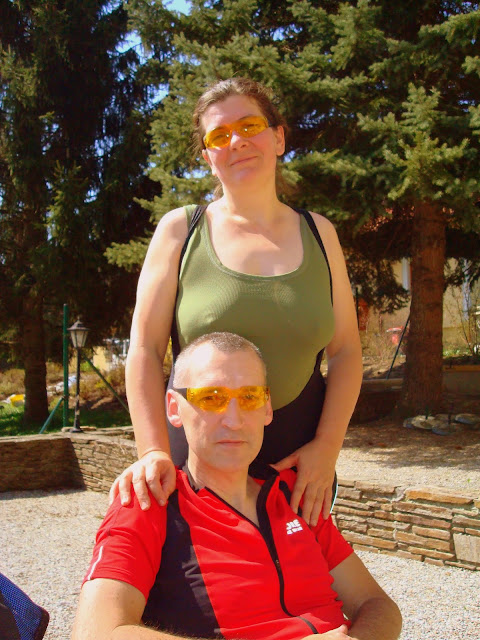
Fragen eines Schülers, kurz und verständlich für diese Altersstufe, beantwortet von Anna Lydia Huber und Gerhard Kaučić
Sokratische Methode / Grammatologische Praxis (Dt./Engl.)
Frage des Schülers:
Ich habe in Ihre Texte schon des Öfteren reingelesen und verstehe noch nicht so ganz, was die klassische Sokratische Methode in einer Philosophischen Praxis unterscheidet von Ihrer Grammatologischen Philosophischen Praxis
GK:
Die Grammatologische Philosophische Praxis ist ein spezifischer Ansatz innerhalb der Philosophischen Praxis, der maßgeblich von uns beiden (Gerhard Kaučić und Anna Lydia Huber) geprägt wurde.
Er grenzt sich von klassischen Beratungsformen durch seine theoretische Fundierung in der Dekonstruktion und der Sprachanalytischen Philosophie ab.
ALH:
Ich nenne Dir ein paar Kernmerkmale unserer Praxis:
Schrift und Spur: In Anlehnung an Jacques Derridas Grammatologie wird das Augenmerk auf das „Geschriebene/die Textur“ gelegt, die unser Denken und Handeln vorstrukturiert.
( im weitesten Sinne: Texte, – Text meint alles, was als Zeichen oder Diskurs analysiert und dekonstruiert werden kann – also weit mehr als nur geschriebene Worte. „Text“ in einem erweiterten, philosophischen Sinne.
Für uns ist „Text“ nicht nur geschriebene Sprache, sondern umfaßt alle Formen von Zeichen, Diskursen, Filmen, Sprache, sogar Institutionen, Strukturen gesetzter (z.B. politischer) Handlungen und alle Formen von kulturellen Äußerungen.
So kann beispielsweise ein Film als „Text“ gelesen und analysiert werden, indem man seine Zeichen, Strukturen und Bedeutungen dekonstruiert und interpretiert. Diese Herangehensweise stammt aus der Grammatologie und Semiologie, die sich mit der Analyse von Zeichen und ihrer Bedeutung beschäftigen.
Jacques Derridas Textbegriff ist radikal erweitert und umfaßt nicht nur geschriebene Dokumente, sondern alle Wirklichkeitsbereiche, da alles durch Zeichen, Bedeutungen und Interpretationen vermittelt wird. Seine berühmte Formulierung „il n’y a pas de hors-texte“ (es gibt kein Außerhalb des Textes) bedeutet, daß soziale, historische oder reale Strukturen stets bereits textuell bzw. interpretativ verfaßt sind.
«Il n’y a pas de hors-texte» (Kein Außerhalb des Textes): Dies ist keine Leugnung der Realität, sondern die Aussage, daß die Realität uns nie „nackt“, sondern immer strukturiert durch Sprache, Zeichen und Bedeutungen – also als Text – erscheint.
Text ist ein Gewebe von Zeichen (réseau de signes), ein System aus differentiellen Verweisen. Ein Zeichen hat keinen festen, innewohnenden Sinn, sondern erhält seine Bedeutung erst durch die Beziehung zu anderen Zeichen, die wiederum auf andere verweisen.
Différance und Spuren: Ein Text ist niemals vollständig gegenwärtig oder abgeschlossen. Bedeutung entsteht durch Aufschub (différance) und Spuren, die auf andere, abwesende Texte verweisen. Es gibt nur „Spuren von Spuren“.
Derrida spricht nicht von einem spezifischen Werk, sondern von einer allgemeinen Textualität, die als Grundstruktur von Welt und Erfahrung fungiert.
Der Text ist bei Derrida ein dynamisches, offenes „System“ (! ohne Zentrum !), das durch ständige Verschiebung und Ergänzung (Supplement) von Bedeutung gekennzeichnet ist. )
Methodische Dekonstruktion: Anstatt fertige Lebensantworten zu liefern, zielt unser Ansatz darauf ab, festgefahrene sprachliche und begriffliche Konstruktionen des Klienten zu hinterfragen und zu dekonstruieren.
Wissenschaftliche Einbettung: Unsere Grammatologische Philosophische Praxis versteht sich als akademisch fundierte Reflexion, die über die bloße Lebensberatung hinausgeht und philosophisches Wissen als Ressource für die Öffentlichkeit nutzbar macht.
Pluralität: Unsere Praxis, so denke ich, ordnet sich in die Vielfalt zeitgenössischer Ansätze ein, die Philosophie nicht als reine Theorie, sondern als „Bildung des Selbst“ und „Untersuchung des Menschseins“ betreiben.
GK:
Nun, du möchtest mehr darüber erfahren, wie sich dieser dekonstruktive Ansatz konkret von der klassischen Sokratischen Methode in der Beratung unterscheidet. Das zu beantworten verlangt eine längere Antwort und bedarf einer kurzen Pause.
Nach etwa 10 Minuten beginnen wir mit einem vorläufigen Antwortversuch:
Ad hoc würde ich sagen, der entscheidende Unterschied liegt im Umgang mit der Wahrheit und dem Subjekt.
Während das Sokratische Gespräch nach (durch die Art und Weise des Fragens gesteuerter) Erkenntnis strebt, fragt die Grammatologische Praxis nach den Strukturen, die diese Erkenntnis überhaupt erst ermöglichen (oder verhindern).
Hier für Dich auf dem Stand-Flipchart in wenigen Worten und Wörtern ein direkter Vergleich der beiden Ansätze:
Vergleich: Sokratik vs. Grammatologische Praxis
Merkmal Sokratische Methode (Mäeutik) Grammatologische Praxis
Ziel Die „Geburt“ einer Wahrheit durch Dialog. Das Sichtbarmachen von Voraussetzungen festgefahrener „Texte“.
Rolle des/der Berater*in Geburtshelfer*in, der/die durch Fragen zum Kern führt. Grammatologe*in, der/die auf Widersprüche und „Spuren“ von Präsenz im Gesagten und auf Ungesagtes hinweist.
Fokus Der Inhalt (Was ist Gerechtigkeit? Was will ich?). Die Form (Wie ist mein Denken sprachlich konstruiert?).
Ergebnis (Idealerweise) Klarheit, Einsicht, Definition. Differenz, Offenlegung von Machtstrukturen (z.B. patriarchale Spuren von Präsenz), Verflüssigung von Dogmen.
Warum die Grammatologische Praxis anders „fragt“(!?)
In der klassischen Sokratik gehen wir davon aus, daß die Wahrheit bereits im Klienten schlummert und nur „hervorgeholt“ werden muß. Die Grammatologische Praxis ist hier skeptischer:
Gegen das „Zentrum“:
Die Grammatologie (nach Derrida) misstraut der Idee, daß es ein festes Zentrum oder eine einzige Wahrheit gibt.
In der Beratung (Auseinandersetzung, manchmal durchaus konfliktuös) bedeutet das: Es gibt keine „wahre Identität“ des Klienten, die man freilegen könnte, sondern nur ein Geflecht aus Erzählungen und Rollen.
Die Macht der Sprache: Während Sokrates die Sprache als Werkzeug nutzt, sieht die Grammatologische Praxis die Sprache als das Medium, das uns beherrscht. Wir sprechen nicht nur Sprache, die Sprache „spricht“ auch uns (durch gesellschaftliche Normen und Begriffe).
Vom Sprechen zum Schreiben (auch das Sprechen ist ein Schreiben, eine Einschreibung als Versuch!): Während Sokrates das mündliche Gespräch (Präsenz/Absenz) privilegierte, betont die Grammatologie die Schriftlichkeit (wir suchen die Texte auf, das Eingeschriebene), die Einschreibung. Strukturen, Gesetze, Sprache, Unterweisungen, Gehörtes schreiben sich ein. In uns Einzelne. In die Gesellschaft als Ganzes.
In unserer Praxis bedeutet das oft auch die Zuhilfenahme von schon Geschriebenem,- die Arbeit mit konkreten Texten, Tagebüchern, Notizen, Autobiographischem oder der Analyse der „Skripte“, die wir im Praxisprogreß mitnotieren, um dann gleich hernach über dieses Aufgezeichnete zu sprechen. Vorerst und zuallererst nur darüber. Ohne allzuviele Digressionen, wenn möglich.
ALH:
Ein praktisches Beispiel
Stellen wir uns einen Gast/Gästin/Klient*in vor, der/die sagt: „Ich muß endlich authentisch sein.“
Der Sokratiker, die Sokratikerin würde fragen: „Was bedeutet ‚authentisch‘ für dich? Wann fühlst du dich so?“ – Ziel ist die Definition und Annäherung an das Ideal.
Der Grammatologische Praktiker, die Praktikerin würde fragen: „Welcher Diskurs schreibt dir vor, daß man ‚authentisch‘ sein muß? Woher stammt dieser Begriff in deiner Biografie? Welche Gegensätze (z.B. echt/unecht werden hier konstruiert?“ – Ziel ist die Dekonstruktion des Begriffszwangs.
Die Grammatologische Praxis ist daher oft „anstrengender“ oder intellektuell fordernder, da sie nicht direkt zur Lösung führt, sondern das Problem selbst als sprachliches Konstrukt auflöst.
Ich möchte Dir noch gern zeigen, wenn ich darf, wenn noch Zeit dafür ist, ganz kurz und schnell, wie sieht ein konkreter Ablauf einer solchen dekonstruktiven Sitzung aus?
In einer grammatologischen Sitzung (nach Kaučić und Huber) steht nicht die Suche nach einer Lösung im Vordergrund, sondern die Analyse der „Textur“ des Problems. Es geht darum, das Thema als ein Geflecht aus Spuren von Verschiebung/Verschiftung, autoritären Begriffsanwendungen und historischen Vorbelastungen zu lesen.
Ein typischer Ablauf läßt sich in diese Phasen unterteilen:
1. Die „Verschriftlichung“ des Anliegens
Statt nur frei zu erzählen, wird der Klient oft ermutigt, sein Problem als „Text“ zu betrachten und wenn möglich kurz schriftlich zu skizzieren.
Aktion: Der Praktiker, die Praktikerin achtet extrem genau auf die Wortwahl. Begriffe wie „müssen“, „natürlich“ oder „eigentlich“ werden als Ankerpunkte markiert.
Ziel: Distanz schaffen. Das Problem ist nicht „im“ Klienten, sondern es zeigt sich „zwischen“ den Worten.
2. Aufspüren binärer Oppositionen
Der dekonstruktive Kern: Jedes Problem basiert meist auf einer versteckten Zweiteilung (z. B. Erfolg vs. Mißerfolg, Natur vs. Kultur, Aktivität vs. Passivität).
Aktion: Der Praktiker fragt: „Welches Gegenteil wird hier unterdrückt?“ Wenn der Klient über „Sinnlosigkeit“ spricht, wird untersucht, welche überhöhte und unerreichbare Definition von „Sinn“ diesen Zustand erst konstruiert.
Ziel: Die Hierarchie zwischen diesen Begriffen ins Wanken zu bringen.
3. Die Suche nach der „Aporie“ (Sackgasse)
In dieser Phase wird der Klient, die Klientin mit den inneren Widersprüchen seiner/ihrer eigenen Argumentation konfrontiert.
Aktion: Der Praktiker zeigt auf, daß die Begriffe, die der Klient, die Klientin zur Lösung nutzen will, Teil des Problems sind. (Beispiel: Man versucht, durch noch mehr „Selbstkontrolle“ die Angst vor „Kontrollverlust“ zu bekämpfen).
Ziel: Ein Moment des Innehaltens, in dem das alte Denksystem nicht mehr greift.
4. Das „Schreiben“ neuer Spuren
Am Ende steht keine fertige Antwort, sondern eine Verschiebung.
Aktion: Es werden neue Begriffe eingeführt oder alte Begriffe „unter Anführungszeichen“ gesetzt (man nutzt sie, markiert aber ihre Unzulänglichkeit oder Fraglichkeit).
Ziel: Der Klient verläßt die Sitzung nicht mit einem Plan, sondern mit einer höheren Sensibilität für die Sprache, die sein Leben formt. Er/Sie erkennt, daß seine/ihre Identität kein fester Kern, sondern ein ständig fortlaufender Schreibprozeß ist.
Beispiel aus der Praxis:
Ein Klient leidet unter „Zeitdruck“.
Klassisch: „Wie priorisierst du? Was streßt dich?“
Grammatologisch: „Wer hat das ‚Skript‘ geschrieben, daß Zeit etwas ist, das man ‚besitzen‘ oder ‚verlieren‘ kann? Untersuchen wir die Metapher ‚Zeit ist Geld‘ in deiner persönlichen Erzählung.“
Spielen wir noch kurz und einfach ein konkretes Beispiel für eine solche Wort-Analyse (z. B. zum Begriff „Authentizität“ oder „Erfolg“) durch.
In der grammatologischen Praxis (wohlgemerkt nach Kaučić & Huber) wird ein Wort nicht als Gefäß für eine feste Bedeutung behandelt, sondern als Schauplatz von Spannungen.
GK:
Nehmen wir das Beispiel „Authentizität“ – ein häufiges Ziel in der Beratung. In einer grammatologischen Sitzung würde dieser Begriff wie folgt dekonstruiert:
1. Das Wort als Zitat (Etymologische Spur)
Zuerst wird die „Unschuld“ des Wortes enttäuscht.
Analyse: „Authentisch“ kommt vom Griechischen authentikós ( αὐθεντικός „echt“, „glaubwürdig“, „originalgetreu“, aber auch „selbstherrlich“). Es steckt das Wort aut-hentēs (αὐθέντης) darin: derjenige, der mit eigener Hand handelt, – was so viel wie „Selbsttäter“, „Urheber“ oder „Herr“ bedeutet – ursprünglich auch in Abwandlung des Kontexts die Bedeutung eines Mörders oder Täters.
Effekt: Der Klient erkennt, daß „Authentizität“ kein sanfter Naturzustand ist, sondern etymologisch mit Macht, Tat und Autorenschaft verknüpft ist.
2. Aufdeckung der binären Opposition
Der Begriff funktioniert nur durch das, was er ausschließt.
Die Hierarchie: Authentisch (gut/echt) vs. Künstlich (schlecht/Fassade).
Die Dekonstruktion: Der Praktiker zeigt auf, daß man „Authentizität“ oft performen muß, um als authentisch zu gelten (z. B. auf Social Media). Das „Echte“ braucht also das „Künstliche“ (die Darstellung), um überhaupt sichtbar zu sein.
Ergebnis: Die scharfe Trennung bricht zusammen. Man erkennt: Authentizität ist selbst eine Form der Inszenierung.
3. Die Arbeit der „Différance“
Nach Derrida verschiebt und verzögert sich Bedeutung ständig.
Frage in der Praxis: „Wenn Sie sagen, Sie wollen ‚ganz Sie selbst‘ sein – welches ‚Selbst‘ schreiben Sie gerade in diesem Moment? Und welches andere Selbst wird durch diesen Text gerade unterdrückt oder überschrieben?“
Ziel: Weg vom statischen Ziel („Ich will authentisch sein“) hin zur Einsicht, daß man ein lebendiger Text ist, der sich ständig ein– und umschreibt.
ALH:
Zusammenfassender Vergleich der Analyse
Begriff: Erfolg Klassische Sicht Dekonstruktion
Fokus Erreichen von Zielen. Wer hat das „Skript“ des Erfolgs geschrieben?
Gegensatz Erfolg vs. Scheitern. Wo ist das Scheitern im Erfolg bereits eingeschrieben (z. B. Erschöpfung, Erfahrungsmangel, Milieu, ökonomischer Mangel, …)?
Wirkung Druck, das Ziel zu erreichen. Befreiung vom Begriffszwang. Erfolg wird als „Spur“ gesellschaftlicher Erwartungen lesbar.
Dieser Prozeß führt oft zu einer „Ent-Täuschung“ im wörtlichen Sinne: Der Klient ist nicht mehr Gefangener seiner Begriffe, sondern beginnt, die Grammatik seines Lebens aktiv zu hinterfragen.
GK:
In der grammatologischen philosophischen Praxis wird ein Satz wie „Ich bin nicht gut genug“ nicht als psychologische Wahrheit, sondern als ein „fremdes Skript“ behandelt, das dekonstruiert werden muß.
Anstatt gegen das Gefühl anzukämpfen, zerlegen wir die Grammatik des Leidens in vier Schritten:
1. Das Subjekt „Ich“ einklammern
In der Grammatologie ist das „Ich“ kein fester Kern, sondern eine Leerstelle, die durch Sprache gefüllt wird.
Die Frage: Wer spricht hier eigentlich? Ist das „Ich“ in diesem Satz der Autor oder nur der Vorleser eines Textes, den Eltern, Lehrer oder die Leistungsgesellschaft geschrieben haben?
Ziel: Die Identifikation lösen. Nicht du bist mangelhaft, sondern der Satz über dich ist eine Konstruktion.
2. Die Kopula „bin“ erschüttern
Das Wörtchen „bin“ (sein) suggeriert einen statischen, unveränderlichen Zustand (Ontologie).
Die Dekonstruktion: Wir ersetzen das „bin“ durch „werde“ oder „schreibe mich als“.
Aktion: Der Praktiker/die Praktikerin fragt: „In welchem Moment der Schrift deines Lebens wurde dieses ‚bin‘ festgeschrieben?
Können wir es ‚unter Anführungszeichen‘ setzen (bin), um zu zeigen, daß es nur eine provisorische Behauptung ist?“
Anna Lydia und ich betonen hierbei oft die radikale Offenheit des Werdens.
3. Die Leere des Prädikats „gut genug“ entlarven
„Gut“ ist ein leerer Signifikant – er hat keinen festen Inhalt, sondern ist ein Platzhalter für vorangegangene Erwartungen.
Die Analyse: „Gut genug“ braucht immer einen Maßstab. Wir suchen nach dem Supplement (Ergänzung): Gut genug wofür? Gut genug für wen?
Die Paradoxie: Wer „gut genug“ sein will, setzt voraus, daß es einen perfekten Endzustand gibt. Die Grammatologie zeigt: Es gibt keinen fertigen Text.
Ein Text ist immer „unabgeschlossen“ und unabschließbar.
4. Das „Nicht“ als Spur der Differenz
Das „Nicht“ erzeugt eine schmerzhafte Trennung zwischen dem, was ist, und einem Ideal.
Die Umkehrung: In der Dekonstruktion schauen wir auf das, was das „Nicht“ verbirgt.
Oft schützt der Satz „Ich bin nicht gut genug“ vor der Angst, die eigene Freiheit wirklich zu nutzen. Er ist eine bequeme (wenn auch schmerzhafte) Ausrede, um im gewohnten Skript zu bleiben.
ALH, GK:
Das Ergebnis der Sitzung
Am Ende steht kein positiver Glaubenssatz (wie „Ich bin wertvoll“ – das wäre nur ein neues, starres Skript), sondern eine sprachliche Verflüssigung:
„Es gibt eine Erzählung in meinem Leben, die den Begriff ‚gut genug‘ verwendet, um eine Hierarchie aufzubauen, der ich mich bisher unterworfen habe.
Ich erkenne die Ränder dieses Textes und beginne, am Rand neue Kommentare zu schreiben.“
GK:
Para-Graphien. § Para-Graphie : K o m m e n t a r. Parekbase (griechisch parekbasis „Abweichung, Abschweifung“). Parekbase, Parabase (Schlegel, Barthes, Derrida, Cončić-Kaučić) !
Der Reduzierung, der Verfälschung, der Erniedrigung, der Kastrierung des „Textes“ durch den „Kommentar“ entgehen!
P.s.:
Randnotiz ParaGraphie:
Häufig wird auch der Begriff παράβασις (parábasis) verwendet. Während die Parabase den rituellen Akt des „Vortretens“ des Chors in der Komödie betont, fokussiert die Parekbase (besonders in der literaturtheoretischen Rezeption durch Friedrich Schlegel) stärker auf das Heraustreten aus der fiktionalen Illusion. παρέκβασις (parékbasis)
In English:
Socratism / Grammatology
Questions from a student, answered briefly and comprehensibly for this age group, by Anna Lydia Huber and Gerhard Kaučić
Socratic Method / Grammatological Practice (German/English)
Question from the student:
I have read your texts several times and still don’t quite understand what distinguishes the classical Socratic method in Philosophical Practice from your Grammatological Philosophical Practice
GK:
Grammatological Philosophical Practice (GPP) is a specific approach within philosophical practice that was significantly influenced by both of us (Gerhard Kaučić and Anna Lydia Huber).
It differs from classical forms of counseling in its theoretical foundation in deconstruction and linguistic-analytic philosophy.
ALH:
I’ll mention a few key features of our practice:
Writing and traces: Following Jacques Derrida’s grammatology, attention is focused on the “written/texture” that pre-structures our thoughts and actions.
( In the broadest sense: texts – text means everything that can be analyzed and deconstructed as a sign or discourse – in other words, much more than just written words. “Text” in an expanded, philosophical sense.
For us, “text” is not only written language, but encompasses all forms of signs, discourses, films, language, even institutions, structures of established (e.g., political) actions, and all forms of cultural expressions.
For example, a film can be read and analyzed as “text” by deconstructing and interpreting its signs, structures, and meanings. This approach stems from grammatology and semiology, which deal with the analysis of signs and their meanings.
Jacques Derrida’s concept of text is radically expanded and encompasses not only written documents, but all areas of reality, since everything is conveyed through signs, meanings, and interpretations. His famous phrase “il n’y a pas de hors-texte” (there is no outside of the text) means that social, historical, or real structures are always already textual or interpretive.
“Il n’y a pas de hors-texte” (There is no outside of the text): This is not a denial of reality, but rather a statement that reality never appears to us “naked,” but always structured by language, signs, and meanings—in other words, as text.
Text is a network of signs (réseau de signes), a system of differential references. A sign has no fixed, inherent meaning, but only acquires its meaning through its relationship to other signs, which in turn refer to others.
Différance and traces: A text is never completely present or complete. Meaning arises through deferral (différance) and traces that refer to other, absent texts. There are only “traces of traces.”
Derrida does not speak of a specific work, but of a general textuality that functions as the basic structure of the world and experience.
For Derrida, the text is a dynamic, open “system” (without a center!) that is characterized by constant shifts and additions (supplements) of meaning. )
Methodical deconstruction: Instead of providing ready-made answers to life’s questions, our approach aims to question and deconstruct the client’s entrenched linguistic and conceptual constructions.
Scientific embedding: Our grammatological philosophical practice sees itself as an academically grounded reflection that goes beyond mere life counseling and makes philosophical knowledge available as a resource for the public.
Plurality: I believe that our practice fits into the diversity of contemporary approaches that pursue philosophy not as pure theory, but as “education of the self” and “exploration of humanity.”
GK:
Well, you want to learn more about how this deconstructive approach differs specifically from the classical Socratic method in counseling. Answering that requires a longer response and a short pause.
After about 10 minutes, we begin with a preliminary attempt at an answer:
Ad hoc, I would say that the decisive difference lies in the treatment of truth and the subject.
While Socratic dialogue strives for insight (guided by the manner of questioning), grammatological practice inquires into the structures that make this insight possible (or prevent it) in the first place.
Here is a direct comparison of the two approaches in a few words and phrases on the stand-up flipchart:
Comparison: Socratic vs. Grammatological Practice
Feature Socratic method (maieutics) Grammatological Practice
Goal The “birth” of a truth through dialogue. The visualization of the prerequisites of entrenched “texts.”
Role of the consultant: Birthing assistant who guides the client to the core through questions. Grammatologist who points out contradictions and “traces” of presence in what is said and possibly unsaid.
Focus The content (What is justice? What do I want?). The form (How is my thinking constructed linguistically?).
Result (Ideally) Clarity, insight, definition. Difference, disclosure of power structures (e.g., patriarchal traces of presence), liquefaction of dogmas.
Why grammatological philosophical practice “asks” differently (!?)
In classical Socratic dialogue, we assume that the truth already lies dormant within the client and only needs to be “brought out.” Grammatological practice is more skeptical here:
Against the “center”:
Grammatology (according to Derrida) distrusts the idea that there is a fixed center or a single truth.
In counseling (discussion, sometimes quite conflictual), this means that there is no “true identity” of the client that can be uncovered, but only a web of narratives and roles.
The power of language: While Socrates uses language as a tool, grammatological practice sees language as the medium that controls us. We do not only speak language, language also “speaks” us (through social norms and concepts).
From speaking to writing (speaking is also a form of writing, an inscription as an attempt!): While Socrates privileged oral conversation (presence/absence), grammatology emphasizes writing (we seek out texts, the inscribed), inscription. Structures, laws, language, instructions, and what we hear become inscribed. In us as individuals. In society as a whole.
In our practice, this often means making use of what has already been written—working with concrete texts, diaries, notes, autobiographical material, or analyzing the “scripts” that we note down in the course of our practice, in order to then talk about what has been recorded immediately afterwards. For the time being and first and foremost, only about this. Without too many digressions, if possible.
ALH:
A practical example
Let’s imagine a guest/client who says, “I finally have to be authentic.”
The Socratic would ask: “What does ‘authentic’ mean to you? When do you feel that way?” – The goal is to define and approach the ideal.
The grammatological practitioner would ask: “Which discourse dictates that one must be ‘authentic’? Where does this concept originate in your biography? What opposites (e.g., real/fake) are constructed here?” The goal is to deconstruct the conceptual constraint.
Grammatological practice is therefore often more “exhausting” or intellectually demanding, as it does not lead directly to a solution, but rather dissolves the problem itself as a linguistic construct.
If I may, and if there is still time, I would like to show you very briefly and quickly what a concrete sequence of such a deconstructive session looks like.
In a grammatological session (according to Kaučić and Huber), the focus is not on finding a solution, but on analyzing the “texture” of the problem. The aim is to read the topic as a web of traces of displacement/deplacement, authoritarian conceptual applications, and historical prejudices.
A typical process can be divided into the following phases:
1. Putting the issue into writing
Instead of just talking freely, the client is often encouraged to view his or her problem as a “text” and, if possible, to briefly outline it in writing.
Action: The practitioner pays extremely close attention to the choice of words. Terms such as “must,” “of course,” or “actually” are marked as anchor points.
Goal: To create distance. The problem is not “in” the client, but manifests itself “between” the words.
2. Identifying binary oppositions
The deconstructive core: Every problem is usually based on a hidden dichotomy (e.g., success vs. failure, nature vs. culture, activity vs. passivity).
Action: The practitioner asks, “Which opposite is being suppressed here?” If the client talks about “meaninglessness,” the practitioner examines which exaggerated and unattainable definition of “meaning” constructs this state in the first place.
Goal: To destabilize the hierarchy between these terms.
3. The search for the “aporia” (dead end)
In this phase, the client is confronted with the internal contradictions of his or her own argumentation.
Action: The practitioner shows that the concepts the client wants to use to solve the problem are part of the problem. (Example: One tries to combat the fear of “loss of control” with even more “self-control”).
Goal: A moment of pause in which the old system of thinking no longer applies.
4. “Writing” new traces
The end result is not a finished answer, but a shift.
Action: New terms are introduced or old terms are put “in quotation marks” (they are used, but their inadequacy or questionable nature is highlighted).
Goal: The client does not leave the session with a plan, but with a greater sensitivity to the language that shapes his or her life. He or she recognizes that his or her identity is not a fixed core, but a constantly ongoing writing process.
Practical example:
A client suffers from “time pressure.”
Classic: “How do you prioritize? What stresses you out?”
Grammatological: “Who wrote the ‘script’ that time is something you can ‘possess’ or ‘lose’? Let’s examine the metaphor ‘time is money’ in your personal narrative.”
Let’s briefly and simply play through a concrete example of such a word analysis (e.g., for the term “authenticity” or “success”).
In grammatological practice (according to Kaučić & Huber, mind you), a word is not treated as a vessel for a fixed meaning, but as a scene of tensions.
GK:
Let’s take the example of “authenticity” – a frequent goal in counseling. In a grammatological session, this term would be deconstructed as follow:
1. The word as a quotation (etymological trace)
First, the “innocence” of the word is disappointed.
Analysis: “Authentic” comes from the Greek authentikós ( αὐθεντικός “genuine,” “credible,” “true to the original,” but also “autocratic”). It contains the word aut-hentēs (αὐθέντης): one who acts with his own hand, which means “self-actor,” “creator,” or “lord”—originally also, in a variation of the context, the meaning of a murderer or perpetrator.
Effect: The client recognizes that “authenticity” is not a gentle natural state, but is etymologically linked to power, action, and authorship.
2. Exposure of the binary opposition
The term only works through what it excludes.
The hierarchy: Authentic (good/real) vs. Artificial (bad/facade).
The deconstruction: The practitioner shows that one often has to perform “authenticity” in order to be considered authentic (e.g., on social media). The ‘real’ therefore needs the “artificial” (the representation) in order to be visible at all.
Result: The sharp distinction collapses. We recognize that authenticity is itself a form of staging.
3. The work of “différance”
According to Derrida, meaning is constantly shifting and delayed.
Practical question: “When you say you want to be ‘completely yourself’—which ‘self’ are you writing about at this very moment? And which other self is being suppressed or overwritten by this text?”
Goal: Move away from the static goal (“I want to be authentic”) toward the realization that you are a living text that is constantly writing and rewriting itself.
ALH:
Summary comparison of the analysis
Term: Success Classical view Deconstruction
Focus Achieving goals. Who wrote the “script” for success?
Opposite Success vs. Failure. Where is failure already inscribed in success (e.g., exhaustion, lack of experience, milieu, economic deprivation, …)?
Effect Pressure to achieve the goal. Liberation from conceptual constraints. Success becomes legible as a “trace” of social expectations.
This process often leads to a “disillusionment” in the literal sense: the client is no longer a prisoner of his concepts, but begins to actively question the grammar of his or her life.
GK:
In grammatological philosophical practice, a sentence such as “I am not good enough” is not treated as psychological truth, but as a “foreign script” that must be deconstructed.
Instead of fighting the feeling, we break down the grammar of suffering in four steps:
1. Bracket the subject “I”
In grammatology, the “I” is not a fixed core, but a void that is filled by language.
The question: Who is actually speaking here? Is the “I” in this sentence the author or just the reader of a text written by parents, teachers, or the meritocracy?
Goal: To dissolve identification. It is not you who is deficient, but the sentence about you that is a construct.
2. Shake up the copula “am”
The little word “am” (to be) suggests a static, unchanging state (ontology).
The deconstruction: We replace “am” with ‘become’ or “write me as.”
Action: The practitioner asks: „At what moment in the writing of your life was this ‘am’ established?
Can we put it in quotation marks (am) to show that it is only a provisional assertion?“
Anna Lydia and I often emphasize the radical openness of becoming.
3. Exposing the emptiness of the predicate “good enough”
“Good” is an empty signifier—it has no fixed content, but is a placeholder for previous expectations.
The analysis: “Good enough” always needs a measuring stick. We look for the supplement (addition): Good enough for what? Good enough for whom?
The paradox: Anyone who wants to be “good enough” assumes that there is a perfect end state. Grammatology shows that there is no finished text.
A text is always “unfinished” and unfinishable.
4. “Not” as a trace of difference
“Not” creates a painful separation between what is and an ideal.
The reversal: In deconstruction, we look at what “not” conceals.
Often, the sentence “I’m not good enough” protects us from the fear of truly exercising our own freedom. It is a convenient (albeit painful) excuse to stay within the familiar script.
ALH, GK:
The outcome of the session
The end result is not a positive belief (such as “I am valuable” – that would just be a new, rigid script), but rather a linguistic fluidity:
„There is a narrative in my life that uses the term ‘good enough’ to establish a hierarchy to which I have submitted myself until now.
I recognize the margins of this text and begin to write new comments in the margins.“
GK:
Para-graphs. § Para-graphy: C o m m e n t. Parekbase (Greek parekbasis “deviation, digression”). Parekbase, Parabase (Schlegel, Barthes, Derrida, Cončić-Kaučić)!
Escape the reduction, the falsification, the degradation, the castration of the “text” by the “commentary”!
P.S.:
Side note paraGraphia:
The term παράβασις (parábasis) is also frequently used. While parabase emphasizes the ritual act of the chorus “stepping forward” in comedy, parekbase (especially in Friedrich Schlegel’s literary-theoretical reception) focuses more strongly on stepping out of the fictional illusion. παρέκβασις (parékbasis)
Kleine Erklärung zum Schluß noch einmal nachgereicht für angehende Derrida-Leser:innen, sich bilden wollende Schüler:innen und noch weitgehend unwissende allgemein Interessierte.
Sokratismus und Grammatologie
Diese Begriffe verknüpfen die antike Tradition der mündlichen Philosophie mit der modernen Sprachkritik, insbesondere im Kontext von Jacques Derridas Grammatologie.
Sokratismus
Der Sokratismus bezeichnet die philosophische Haltung und Methode des Sokrates, die primär auf dem mündlichen Dialog basiert.
Logozentrismus:
Sokrates mißtraute der Schrift, da sie stumm bleibt und sich nicht verteidigen kann. Er sah die lebendige Rede als den direkten Weg zur Wahrheit und Erkenntnis.
Sokratische Methode:
Ein Verfahren der Wissensvermittlung durch gezielte Fragen, um den Partner zur Selbsterkenntnis zu verführen. Ein Mittel zur Steuerung von Erkenntnis und Aneignung. Pädagogik.
Grammatologie
Die Grammatologie ist die von Jacques Derrida begründete „Wissenschaft von der Schrift“.
Er nennt es vorläufig Dekonstruktion. Etwas, das es so einfach gedacht, gar nicht geben kann. Es ergibt sich! Manchmal! Und letztlich immer wieder. Auch, wenn es noch so lange dauern mag. Derrida kritisiert den Sokratismus insofern als das gesprochene Wort (Phonozentrismus) in der Geschichte des Abendlandes gegenüber der Schrift privilegiert wird.
Schrift als Ursprung, der keiner ist. Schrift als Ereignis. Er argumentiert, daß Sprache immer schon wie eine Schrift funktioniert – als ein System von Differenzen, in dem Bedeutung niemals vollkommen „präsent“ sein kann, sondern stets aufgeschoben wird (différance).
Der Zusammenhang kurzgefaßt, – sehr kurzgefaßt, – extrem kurzgefaßt !
In der Grammatologie nutzt Derrida den Sokratismus (und Platons Texte) als Paradebeispiel für die abendländische Metaphysik der Anwesenheit. Was bedeutet Metaphysik der Anwesenheit?
Diese Theorie besagt, daß die gesamte westliche Philosophie seit Plato und Aristoteles dazu neigt, „Sein“ mit Anwesenheit (Präsenz) gleichzusetzen. Etwas, das anwesend, gegenwärtig, greifbar oder „vorhanden“ ist, gilt als wahrer und realer als etwas, das abwesend, vergangen oder zukünftig ist.
Die Philosophie bevorzugt demnach das, was jetzt ist, gegenüber dem, was sein könnte (Abwesenheit/Möglichkeit).
Derrida verbindet dies mit dem „Logozentrismus“, der Vorstellung, daß es einen festen Sinn, einen Ursprung oder eine Wahrheit gibt, die in einer unmittelbaren, gegenwärtigen Intuition erfaßt werden kann. Es wird angenommen, daß Worte eine direkte, eine wörtlich buchstäbliche (!) Beziehung zur Bedeutung haben, die den Sprechenden in der Gegenwart vollkommen präsent sei (Selbstgegenwärtigkeit).
Während der Sokratismus die Schrift als „Gift“ für das Gedächtnis und die Wahrheit ablehnt, zeigt die Grammatologie auf, daß die mündliche Rede selbst den temporär erarbeiteten „Strukturen“ (!?) der Schrift unterliegt.
Jacques Derrida dekonstruiert diese Position, indem er zeigt, daß Anwesenheit niemals rein ist, sondern immer schon auf Abwesenheit und Differenz (Unterschiedensein) beruht.
In seiner Analyse von Platons Phaidros, insbesondere im Essay „Platons Apotheke“ (aus dem Band La dissémination) dekonstruiert Jacques Derrida die sokratische Ablehnung der Schrift.
1. Das Rätsel des Pharmakon
Derrida konzentriert sich auf das griechische Wort Pharmakon, das im Mythos von Theuth (dem Erfinder der Schrift) verwendet wird.
Das Wort bedeutet im Griechischen gleichzeitig Heilmittel und Gift.
Theuth präsentiert König Thamus die Schrift als Heilmittel (Pharmakon) für das Gedächtnis und die Weisheit.
Sokrates‘ Thamus weist sie als Gift (Pharmakon) zurück, da sie nur den Anschein von Weisheit erzeuge und das lebendige Erinnern durch passives Aufzeichnen ersetze.
2. Kritik am Logozentrismus
Der Sokratismus setzt voraus, daß die Wahrheit (der Logos) am besten in der unmittelbaren Anwesenheit des Sprechers bewahrt wird.
Sokrates beschreibt die Schrift als ein Kind ohne Vater, das sich nicht selbst verteidigen kann, wenn es mißverstanden wird.
Derrida zeigt auf, daß auch die gesprochene Rede bereits die Struktur von Schrift besitzt. Bedeutung ist nie sofort „da“, sondern entsteht erst durch die immer schon vorausgegangene Unterschiedenheit und Unterscheidbarkeit der Zeichen (différance). Wortbedeutung entsteht durch Umgebungskontexte. Bedeutung existiert nicht an und für sich schon immer. Bedeutung kriegt etwas erst durch die jeweilige Signifikation. Ich erlese etwas als signifikant (jetzt, für mich, vielleicht nicht für andere, morgen vielleicht auch nicht mehr für mich. „Ich“ liest immerzu. ICH erkennt vielleicht (oder auch nicht)!
3. Die unbewußte Abhängigkeit
Obwohl Sokrates die Schrift verdammt, nutzt Plato sie, um die Worte Sokrates‘ bewahren zu können. Das Archiv.
Schreiben als Notwendigkeit! Damit Philosophie als System weiter gereicht werden kann, muß sie aufgeschrieben werden. Auf-gezeichnet!
Derrida deckt auf seine spezielle Art und Weise (das, was er als Dekonstruktion benennt!) auf, daß die Hierarchie (Rede = gut, Schrift = schlecht) in sich zusammenbricht, da die Rede ohne die „Spuren“ der Schrift (Iterabilität, Iterationsmöglichkeit, vermeintliche unmögliche Wiederholbarkeit, Verzögerung, Verschiebung, Vershiftung, Markierung, Bezeichnung, Zeichnung, Zeichenkonstitution) gar nicht funktionieren könnte.
Die Metaphysik der Anwesenheit ist keine Lehre, die Philosophen und Philosophinnen aktiv vertreten, sondern eine diagnostische Kritik an der Dominierungs-Struktur und Dominanz-Kultur des abendländischen Denkens.
Derrida zeigt auf, daß „Anwesenheit“ eine Illusion ist. Jeder Begriff erhält seine Bedeutung nur durch die Abgrenzung zu dem, was er nicht ist.
Derrida kritisiert damit die gesamte abendländische Tradition. Er diagnostiziert, daß Philosoph:innen stets versucht haben, die Wahrheit an etwas festzumachen, das „unmittelbar gegenwärtig“ sei, ob es sei die Stimme, die Musik, das Bewußtsein, Gott oder die Ratio.
(GK & ALH)
In English:
A brief explanation, added once more for the benefit of:
Aspiring Derrida readers, students seeking to educate themselves, and generally interested but still largely uninformed individuals.
Socraticism and Grammatology
These terms link the ancient tradition of oral philosophy with modern linguistic critique, especially in the context of Jacques Derrida’s grammatology.
Socraticism
Socraticism refers to the philosophical attitude and method of Socrates, which is primarily based on oral dialogue.
Logocentrism:
Socrates distrusted writing because it remains silent and cannot defend itself. He saw living speech as the direct path to truth and knowledge.
Socratic Method:
A method of imparting knowledge through targeted questions, designed to lead the interlocutor to self-knowledge. It is a means of guiding understanding and appropriation—pedagogy in action.
Grammatology
Grammatology is the “science of writing” founded by Jacques Derrida.
He provisionally calls it deconstruction—something that, in its simplicity, cannot truly exist as such. It emerges! Sometimes! And ultimately, again and again. Even if it takes a very long time.
Derrida critiques Socraticism insofar as the spoken word (phonocentrism) has been privileged over writing in the history of the Western world.
Writing as an origin that is not one. Writing as an event. He argues that language always already functions like writing—as a system of differences in which meaning can never be fully “present,” but is always deferred (différance).
The connection in a nutshell—very, very short!
In grammatology, Derrida uses Socraticism (and Plato’s texts) as the prime example of Western metaphysics of presence.
What is metaphysics of presence?
It’s the idea that Western philosophy, since Plato and Aristotle, equates “being” with presence: what is present, immediate, tangible is considered more true and real than what is absent, past, or future.
Philosophy favors what is now over what could be (absence/possibility).
Derrida links this to logocentrism: the belief in a fixed meaning, origin, or truth that can be grasped in immediate, present intuition—words supposedly have a direct, literal relationship to meaning, fully present to the speaker (self-presence).
While Socraticism rejects writing as a “poison” for memory and truth, grammatology reveals that oral speech itself is structured like writing.
Derrida deconstructs this by showing that presence is never pure, but always already depends on absence and difference (différance).
In Plato’s Pharmacy (from Dissemination), Derrida analyzes Plato’s Phaedrus.
The enigma of pharmakon
Derrida focuses on the Greek word pharmakon, which is used in the myth of Theuth (the inventor of writing).
In Greek, the word means both remedy and poison.
Theuth presents writing to King Thamus as a remedy (pharmakon) for memory and wisdom.
Socrates‘ Thamus rejects it as poison (pharmakon) because it only creates the appearance of wisdom and replaces living memory with passive recording.
Critique of logocentrism
Socratism presupposes that truth (the logos) is best preserved in the immediate presence of the speaker.
Socrates describes writing as a child without a father, unable to defend itself when misunderstood.
Derrida shows that even spoken language already possesses the structure of writing. Meaning is never immediately “there,” but only arises through the ever-preceding difference and distinguishability of signs (différance).
Word meaning arises through contextual surroundings. Meaning does not exist in and of itself. Meaning only acquires significance through the respective signifier.
I read something as significant (now, for me, perhaps not for others, tomorrow perhaps no longer for me. “I” is always reading. I may (or may not) recognize!
Unconscious dependence
Although Socrates condemns writing, Plato uses it to preserve Socrates‘ words. The archive.
Writing as a necessity! In order for philosophy to be passed on as a system, it must be written down. Recorded!
Derrida reveals in his own special way (what he calls deconstruction!) that the hierarchy (speech = good, writing = bad) collapses in on itself, since speech without the “traces” of writing (iterability, possibility of iteration, supposed impossible repeatability, delay, postponement, versification, marking, designation, drawing, sign constitution) could not function at all.
The metaphysics of presence is not a doctrine actively advocated by philosophers, but a diagnostic critique of the structure of domination and culture of dominance in Western thought.
Derrida shows that “presence” is an illusion. Every concept derives its meaning solely from its distinction from what it is not. Derrida thus criticizes the entire Western tradition. He diagnoses that philosophers have always attempted to anchor truth to something that is “immediately present,” whether it be the voice, music, consciousness, God, or reason.
(ALH & GK)
P.S.:
Side note paraGraphia:
The term παράβασις (parábasis) is also frequently used. While parabase emphasizes the ritual act of the chorus “stepping forward” in comedy, parekbase (especially in Friedrich Schlegel’s literary-theoretical reception) focuses more strongly on stepping out of the fictional illusion. παρέκβασις (parékbasis)

Philosophical Lounge / Philosophischer Salon G Kaučić & AL Huber Wien, Österreich, –
Gerhard Kaučić (*1959), Leiter einer Grammatologischen Philosophischen Praxis seit 37 Jahren in Wien ( 1989-2026 ff.)
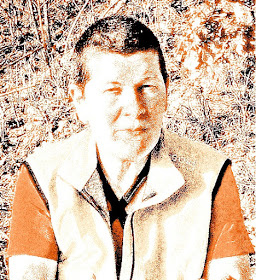
Anna Lydia Huber (MSc, 67, 2026), Philosopher, Austria, Vienna / Philosophin, Österreich, Wien
Gerhard Kaučić (Dr. phil., 67, 2026), Philosopher, Austria, Vienna / Philosoph, Österreich, Wien
GESPRÄCHE SIND EREIGNISSE ALS TEXT
Grammatologische Philosophische Praxis
GESPRÄCHE sind EREIGNISSE als TEXT
cf. Jacques Derrida, Signatur Ereignis Kontext, – in: Randgänge der Philosophie, Wien 1988, S. 291-314 ( Französische Originalausgabe: Marges de la philosophie, Paris 1972 )
Grammatologische Philosophische Praxis (GPP), Gerhard Kaučić / Djay PhilPrax & Anna Lydia Huber, Wien, 1989 – 2026 ff.
Unser Blog als Textereignis im Zusammenspiel zwischen unserer Philosophischen Praxis als Textereignis ohne Protokoll und unserer philosophischen Praxis als „Protokoll“ zwischen Archiv und Anarchiv.
CONVERSATIONS ARE EVENTS AS TEXT
Our blog as a text event in the interaction between our philosophical practice as a text event without protocol and our philosophical practice as a „protocol“ between archive and anarchive.
Mein Lebenswerk, – unsere philosophische Praxis!
Die Erfindung der Wirklichkeit, die Wahrheit eines Werkes, ob eines philosophischen, psychoanalytischen, literarischen, künstlerischen oder eines juristischen, medizinischen, technischen, sportlichen, erfinderischen, organisatorischen, bürokratischen, wissenschaftlichen, architektonischen, fotografischen Werkes oder eines wirtschaftlich-unternehmerischen, politischen, militärischen, ökonomischen Werkes oder einer künstlich-naturhaft herbeigeführten Wirklichkeit als Wahrheit etwa eines Werkes von Klimawandel und Folgen, – – – die Wahrheit eines Werks (!!!) enthüllt sich erst und allein in der erkannten und erkennbaren(!) Geschichte seiner Wirkungen.
Es geht darum, es geht mir in meiner Philosophischen Praxis
(( und dazu gehört das Gespräch in dieser, aber auch meine/unsere Schreibpraxis vorher und nachher einer jeden Setzung / Sitzung(!) ))
immer darum, Texte (geschrieben, gesprochen oder Darstellungen(!) z. B. technischer, künstlerischer, ökonomischer, politischer, institutioneller Art) in ihrer inneren Struktur und in ihrem Zusammenwirken mit anderen Texten zu erfassen.
Die Texte sind nicht nur zu analysieren und zu interpretieren, sondern durch die Praxis der Dekonstruktion ihrer Konflikthaftigkeit, ihrer Aggressivität, ihrer verdeckt mitgeführten Gehalte und Intentionen zu enttarnen.
Gemeint ist die Sichtbarmachung der Doppelheit des gleichzeitigen An- und Abwesendsein(!) von Wahrheit.
Wir äußern Sätze gewollter analytischer Wahrheit und verdrängen dadurch gleichzeitig andere eventuale Wahrheits- oder Unwahrheitssätze.
The invention of reality, the truth of a work, whether a philosophical, psychoanalytical, literary, artistic or a juridical, medical, technical, sporting, inventive, organizational, bureaucratic, scientific, architectural, photographic work or an economic, entrepreneurial, political, military, economic work or an artificially-natural reality as the truth of a work of climate change and consequences, – – – the truth of a work (!!!) is revealed only and explicitly in the recognized and recognizable (!) history of its effects.
The point is, in my philosophical practice
(( and this includes the conversation in this, but also my/our writing practice before and after each setting / session(!) )
is always about capturing texts (written, spoken or representations(!) e.g. technical, artistic, economic, political, institutional) in their inner structure and in their interaction with other texts.
The texts are not only to be analysed and interpreted, but also to be unmasked through the practice of deconstructing their conflictual nature, their aggressiveness, their hidden contents and intentions.
What is meant is the visualization of the duality of the simultaneous presence and absence (!) of truth.
We express sentences of desired analytical truth and thereby simultaneously repress other possible sentences of truth or untruth.
To contact me/us use only this email: g.kaucic[at]chello.at
[[ Gerhard Kaučić / Djay PhilPrax (born 1959), Anna Lydia Huber (born 1959), Philosophers, –
Writers, Feminists, Freeriders, Grammatological Philosophical Practice (GPP), Vienna, PP since 1989, Dr. phil., MSc, —
( Copyright, Bildrechte, Urheberrecht, rights to images, copyright, Picture rights, Image Rights, Copyright, –
Texte, Fotos © Anna Lydia Huber, Gerhard Kaučić ) ]]
Zum besseren Verständnis und zur beginnenden Einübung in unsere philosophische Praxis lesen Sie bitte unsere Charakterisierung der Grammatologischen Philosophischen Praxis (GPP GK & ALH, Deutsch/Englisch), –
Url/Link:
https://www.philosophischepraxiskaucicundhuber.at/charakterisierung/
For a better understanding and to begin practicing our philosophical approach, please read our characterization of Grammatological Philosophical Practice. (GPP GK & ALH, German/English), –
Url/Link:
https://www.philosophischepraxiskaucicundhuber.at/charakterisierung/
Welt als Echtzeitarchiv, Welt als Archiv, Welt als Anarchiv (!)
……………………………………. Anarchiv …………………… Archiv ……………………………………….
Bedenken Sie, was geschrieben werden wird! ……………………..
Gerhard Kaucic ……………………..
Jede Lektüre
( auch „Gespräche“ müssen gelesen werden! Gehörtes ist gehört worden und in der verstehenden Verstandestätigkeit „gelesen“ worden.
Aus-gelesen! Ausgewählt! Aus-sortiert! Aus der gehörten „Wirklichkeit“ er-hört und ent-hört, ver-hört, verwirklicht, verkettet, sprachverkoppelt, verlesen!, zusammen-ge-lesen!, zusammengesammelt, ver-sammelt, ge-doublet, ge-setzt, produktiv ausgelesen! )
muß erst eine signifikante Struktur produzieren.
Es gibt kein Kriterium für die Identität des Sinns eines Ausdrucks: die Interpretation wird im wissenschaftlichen Sinne eine Sache der Unentscheidbarkeit.
Philosophische Praxis Dr. Gerhard Kaučić ……………………….. …………………………………………………………………………………………………………………………………………………………………………………………………………………………………………… ………………………………………………………. Mise-en-Abyme ……………………………………. mise en abîme ………………………………………………………………………………………………………………………………………………………………………………………………………………………………………………………………………………………………….. Abyssos …………………………………………………………………………………………………………………………………………………………………………………………………………………………………………………………………….. intertextuelle Strukturen als die „Natur“ der Sprache …………………………………………This reason of understanding, limited by „territory“ (temporally and spatially), the image of temporary textual-configurations ( mise en abyme, picture in picture in picture…), „picture“ as a metaphor of re-flection, the picture of the mirror without tinfoil, the picture of standing behind the mirror as „standing“ in the mirror, –
a mirror of distortion and performance/performation (!), a mirror of the initial transformation without origin, – a mirror, which gives the picture ( away ! ?!) for our language, – our language as graphically marked poetics of communication, – literally ! (see J. Derrida, La dissémination, p. 350 und passim) ……………………………………………………………. ……………………………………………………………………………………………………………………………………………………………………………………………………………………………………. GERHARD KAUČIĆ ……………………. Gegenwartsphilosophie
………………………………… Philosophische Praxis ……………………………. Contemporary Philosophy ………………….. Gegenwartsphilosophie ……………………………
Gerhard Kaucic (67), Bibliothek, PP zu Archiv, Speichermedien und Autodekonstruktion im Gespräch; Philosophische Praxis heute im März 2025 donnerstags, nachmittags, von 13.00 Uhr bis 17.00 Uhr in der Guglgasse im Gasometer Wien bei uns in unserer Privatbibliothek.
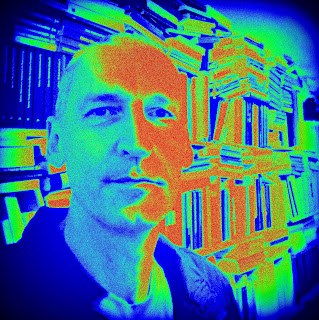
Ein die Addenda zur Biographie (oder was die meisten von uns dafür halten!) umklammerndes und hinausleitendes Addendum zum Thema Curriculum, Archiv, Anarchiv und Speichermedien heute!
Jedes Archiv im Sinne einer Veranlagung von etwas beruht auf dem Anarchivischen, dem nicht Archivierbaren (zum Beispiel der Raumklang in einem Konzertsaal), dem noch nicht Archivierten, ja vielleicht dem noch nicht einmal Objektivierten als Produziertes oder zumindest Produzierbares. Dieses Denken des Anarchivs und des Archivs zeitgleich beruht auf dem Denken Derridas in Bezug auf das, was er „Spur“ nennt. „Es gilt, die Spur vor dem Seienden zu denken.“ (J. Derrida, op.cit., Grammatologie, S. 82).
vorläufig endend mit dem Medium Fotographie als Botschaft/INformation/Interpretat/Verkehrung der Logik des Sinns/Abgrund/die Ordnung der Dinge als Befragung/das Recht der Dinge auf Eigensinn/Dissemination aus einem Diesseits und Jenseits von Zeit
Psychoanalyse, Sprachanalytische Philosophie, das Unbewußte
Die Sprache, das Sprechen, das Unbewußte (Ubw)
Der Satz und die Philosophie
Philosophical Practice Vienna 1989 ff. Analysis Complication Aporia Identity Dislocation Meta-thesis Deconstruction
Falls Sie interessiert sind an einer PP mit mir/uns, bitte nur unter dieser E-mail einen Termin reservieren: To contact me/us, please use only this email: g.kaucic[at]chello.at
If you are interested in a PP (Philosophical Practice) with me, please reserve an appointment only under this email: To contact us, please use only this email: gack[at]chello.at
Philosophers, Writers, Philosophical Practitioners, Mediators, Translators, Feminists, Freeriders, (Wild) Camping Enthusiasts, Survivors Vienna
Grammatological Philosophical Practice (GPP) weltweit … rund um die Uhr … rund um die Welt, … „face à face“, … confidential one-to-one conversation, … around the clock … around the world
Grammatologische Philosophische Praxis (GPP) Dr. Gerhard Kaucic / Djay PhilPrax ( geb. 1959, Autor, Philosoph, PP seit 1989 ) Gespräch, Analyse, Diskurs, Problematisierung, Identitätsdislokation, Subjektivierung, Formalisierung, Fältelung, Komplizierung, Aporie, Dekonstruktion
Öffnungszeiten / Hours of opening: Mo – Do: 11 – 20 Uhr
Honorar nach Vereinbarung / Charge by arrangement
Gespräche outdoor/indoor: Grammatologien, Kontextualisierungen, Analysen, Komplizierungen, Plurivalenzen, Dependenzen, Interdependenzen, Grammatiken, Aporien, Dekonstruktion…rund um die Uhr…rund um die Welt…
…around the clock …around the world…
GESPRÄCHE sind EREIGNISSE als TEXT
cf. Jacques Derrida, Signatur Ereignis Kontext, – in: Randgänge der Philosophie, Wien 1988, S. 291-314 ( Französische Originalausgabe: Marges de la philosophie, Paris 1972 )
Grammatological Philosophical Practice (GPP) Vienna 1989 ff. Analysis Complication Aporia Identity Dislocation Meta-thesis Deconstruction
Cf. list of publications at: https://scholar.google.at/citations?user=wNUSN64AAAAJ&hl=de
To contact us, please use only these emails:
g.kaucic[at]chello[dot]at or gack[at]chello.at
Projekte / Projects (1989 – 2026 ff.) 37 Jahre Grammatologische Philosophische Praxis (GPP) Wien GK & ALH
Mehr dazu siehe unseren Teaser und unseren Footer sowie die übrigen Postings im Blogspot-Blog 2014 ff.
Homepage:
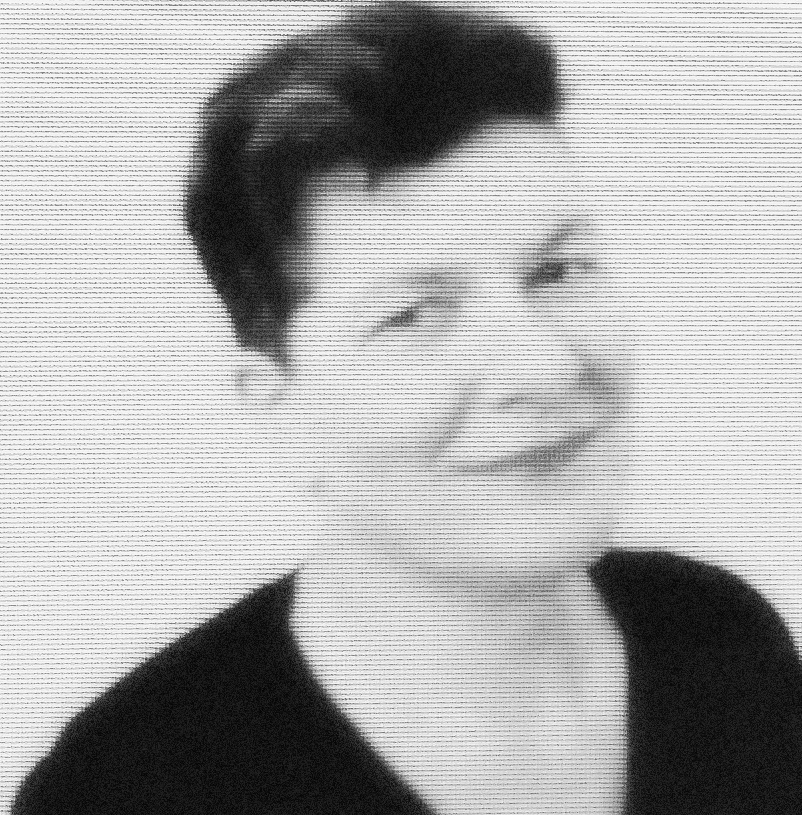
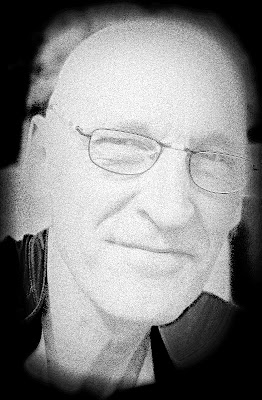
Mehr zur Vita und zum Werk der Philosophin und Schriftstellerin Anna Lydia Huber (67, 2026, Philosophische Praxis seit 2009) und des Philosophen und Schriftstellers Gerhard Kaučić (67, 2026, Philosophische Praxis seit 1989) in deren Postings „Künstliche Intelligenz“ hier in diesem Blog !
Künstliche Intelligenz 09.07.2025 Url/Link:
Künstliche Intelligenz,- eine Ergänzung 25.09.2025 Url/Link:
[[ Gerhard Kaučić / Djay PhilPrax (born 1959), Anna Lydia Huber (born 1959), Philosophers,
Writers, Feminists, Freeriders, Grammatological Philosophical Practice (GPP), Vienna, PP since 1989, Dr. phil., MSc, —
( Copyright, Bildrechte, Urheberrecht, rights to images, copyright, Picture rights, Image Rights, Copyright, –
Texte, Fotos © Anna Lydia Huber, Gerhard Kaučić ) ]]
Zum besseren Verständnis und zur beginnenden Einübung in unsere philosophische Praxis lesen Sie bitte unsere Charakterisierung der Grammatologischen Philosophischen Praxis (GPP GK & ALH, Deutsch/Englisch), –
Url/Link:
https://www.philosophischepraxiskaucicundhuber.at/charakterisierung/
For a better understanding and to begin practicing our philosophical approach, please read our characterization of Grammatological Philosophical Practice. (GPP GK & ALH, German/English), –
Url/Link:
https://www.philosophischepraxiskaucicundhuber.at/charakterisierung/
P.s.:
Literaturliste gemäß Google Scholar bis Datum 28.02.2026: Url/Link:
https://disseminationsdjayphilpraxkaucic.blogspot.com/2025/03/latest-news-information.html?m=1